Nutrition
The Recovery Drink That Could Transform Your Post-Workout Routine

Health Points
- Carb-to-protein ratio in recovery drinks significantly impacts muscle repair and energy restoration after exercise
- Leading retailers offer recovery beverages ranging from 1:1 to 4:1 carbohydrate-to-protein ratios
- Choosing the right recovery drink depends on workout intensity and individual fitness goals
After a challenging bike ride or intense workout, what you consume in those critical first 30 minutes can make all the difference in how quickly your body bounces back. For active adults over 40, proper post-exercise nutrition becomes even more essential as our bodies require additional support for muscle recovery and sustained energy.
Recovery drinks have evolved far beyond simple sports beverages. Today’s formulations carefully balance carbohydrates and protein to optimize the body’s natural repair processes, with ratios tailored to different types of athletic activity and recovery needs.
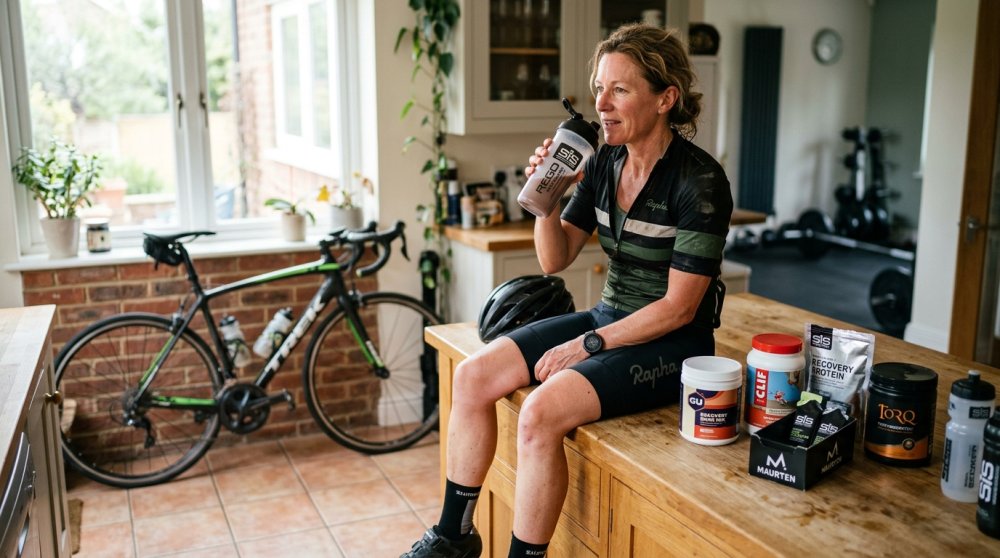
One fitness enthusiast recently catalogued the recovery drinks in his nutrition cupboard, noting the wide range of carbohydrate-to-protein ratios available from major retailers. The inventory revealed formulations from Science in Sport (SiS) at approximately 1:1 ratio up to Tailwind and other brands offering higher carbohydrate concentrations.
This variation isn’t accidental. Sports nutrition research suggests that different carb-to-protein ratios serve distinct purposes in the recovery process.
Lower ratios, around 1:1 or 2:1, provide substantial protein relative to carbohydrates, making them ideal for strength training recovery where muscle repair takes priority. These formulations help rebuild muscle tissue broken down during resistance exercise while still replenishing some glycogen stores.
Higher ratios, such as 3:1 or 4:1, deliver more carbohydrates relative to protein. These formulations excel at restoring glycogen—the body’s primary fuel source—making them particularly effective after endurance activities like cycling, running, or swimming where energy depletion is the primary concern.
Several major retailers have positioned themselves as go-to sources for recovery nutrition. Specialty cycling shops typically stock brands like SiS, which has built a reputation among serious cyclists for science-backed formulations.
Online retailers provide broader selection, allowing consumers to compare nutritional profiles across dozens of brands. This accessibility has democratized access to professional-grade recovery nutrition that was once available primarily to elite athletes.
Health food stores and supplement chains have expanded their recovery drink sections in recent years, recognizing growing consumer interest in optimized post-workout nutrition. Many now offer consultation services to help customers select appropriate carb-to-protein ratios for their specific activities.
For adults in their 40s, 50s, and beyond, the stakes for proper recovery grow higher. Age-related changes in metabolism and muscle protein synthesis mean that strategic nutrition becomes increasingly important for maintaining fitness gains and preventing injury.
The timing of consumption matters as much as the formulation itself. Research consistently shows that the body is most receptive to nutrient uptake within 30 to 60 minutes after exercise, when muscles are primed to absorb and utilize both carbohydrates and protein efficiently.
While convenience drives many toward pre-mixed recovery drinks, whole food alternatives can provide similar benefits. Chocolate milk, for instance, naturally offers a carb-to-protein ratio around 3:1 or 4:1, making it an effective and economical recovery option after moderate-intensity workouts.
Greek yogurt with fruit, smoothies combining protein powder and bananas, or even a turkey sandwich can deliver comparable nutritional support when commercial recovery drinks aren’t available or preferred.
The key is understanding your body’s specific needs based on the type and intensity of your exercise. Casual riders completing an easy 30-minute spin may need nothing more than water and a balanced meal within a few hours.
More intense sessions—those leaving you breathing hard and muscles fatigued—benefit from intentional recovery nutrition that accelerates the body’s natural repair and replenishment processes.
As the fitness industry continues to innovate, recovery drink formulations have become increasingly sophisticated. Some now include added electrolytes for hydration, branch-chain amino acids for enhanced muscle recovery, or adaptogens claiming to reduce exercise-induced stress.
For health-conscious consumers, reading labels carefully remains essential. Some recovery drinks contain excessive added sugars or artificial ingredients that may undermine their health benefits, particularly for those managing weight or blood sugar concerns.
The growing variety of options at major retailers reflects a broader cultural shift toward viewing nutrition as an integral component of fitness rather than an afterthought. This mindset serves active adults particularly well as they work to maintain strength, mobility, and vitality through their middle years and beyond.
Whether you choose a 1:1 formulation from a specialty cycling brand or a 4:1 ratio from a mainstream supplement retailer, the most effective recovery drink is ultimately the one that aligns with your specific exercise routine, tastes good enough to consume consistently, and fits within your overall nutritional approach to healthy aging.
