Health
The Ancient Respiratory Remedy Researchers Say Actually Works

Health Points
- Mullein tea has been used for centuries in traditional medicine to support respiratory health and soothe irritated airways
- Research suggests mullein’s natural compounds may help reduce inflammation and ease coughing, though more clinical studies are needed
- Health experts recommend consulting a doctor before using mullein tea, especially if you have existing respiratory conditions or take medications
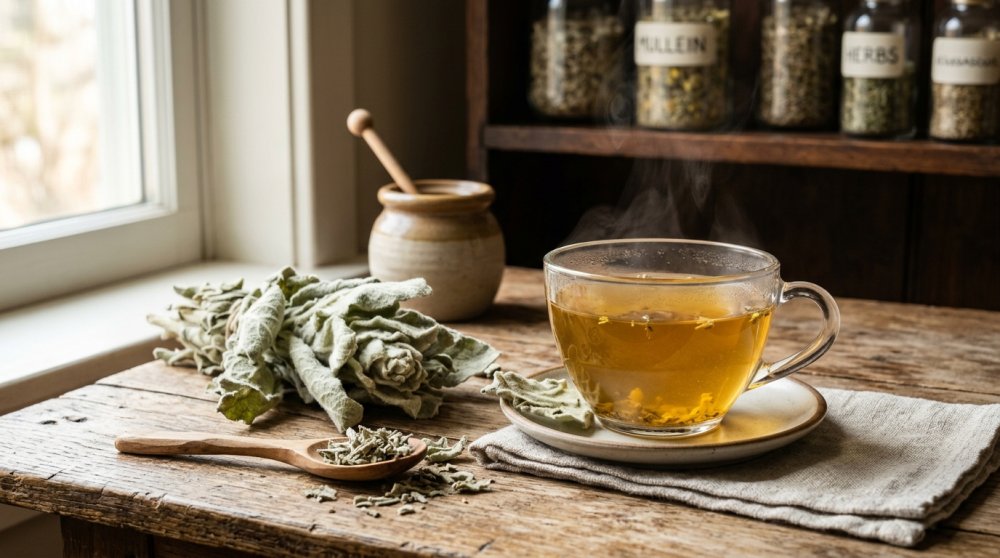
For generations, families have turned to natural remedies passed down through the years, and one ancient herbal tea is gaining renewed attention for its potential to support respiratory wellness. Mullein tea, brewed from the fuzzy leaves of the mullein plant, has been a staple in traditional medicine cabinets for centuries—and modern research is beginning to explore why.
The tall, flowering mullein plant, recognizable by its distinctive velvety leaves, grows wild across North America and Europe. Its use as a respiratory aid dates back to ancient Greek and Roman times, when healers would prepare it to soothe coughs and chest congestion.
Today’s health-conscious Americans are rediscovering this traditional remedy, seeking natural alternatives to support their breathing and overall wellness. But what does the science actually say about mullein tea’s benefits?
What Researchers Have Found
Mullein contains several natural compounds that researchers believe may contribute to respiratory health. The plant is rich in mucilage, a gel-like substance that can coat and soothe irritated throat and lung tissues. It also contains saponins, which may help loosen mucus and make coughs more productive.
Early laboratory studies have identified anti-inflammatory and antioxidant properties in mullein extracts. These characteristics could potentially help reduce irritation in the respiratory tract, though researchers emphasize that most studies have been conducted in test tubes or on animals, not in large-scale human trials.
Some preliminary research suggests mullein may have mild antimicrobial properties as well. While this doesn’t make it a replacement for antibiotics when needed, it points to why traditional healers valued the plant for respiratory infections.
Traditional Uses and Modern Applications
Herbalists and natural health practitioners have long recommended mullein tea for a variety of respiratory concerns. The most common uses include soothing dry coughs, easing bronchial irritation, and providing comfort during seasonal respiratory challenges.
Many people find the tea’s natural demulcent properties—meaning its ability to form a soothing coating—helpful for scratchy throats and persistent coughs. Unlike some herbal remedies with strong flavors, mullein tea has a mild, slightly sweet taste that many find pleasant.
The preparation is straightforward: dried mullein leaves are steeped in hot water for 10-15 minutes, then strained carefully to remove any fine plant hairs that could irritate the throat. Some people add honey or lemon to enhance both flavor and soothing properties.
Important Safety Considerations
While mullein tea is generally considered safe for most adults when consumed in moderate amounts, health experts stress the importance of proper preparation and reasonable expectations. The tea should never replace medical treatment for serious respiratory conditions like asthma, COPD, or pneumonia.
Pregnant and nursing women should consult their healthcare providers before using mullein tea, as research on its safety during these periods is limited. Similarly, anyone taking prescription medications should discuss potential interactions with their doctor.
One crucial preparation note: mullein leaves must be strained thoroughly through a fine-mesh strainer or cheesecloth. The tiny hairs on the leaves can irritate the throat if not properly filtered out, defeating the tea’s soothing purpose.
What Experts Recommend
Healthcare professionals who are knowledgeable about herbal medicine typically view mullein tea as a complementary approach rather than a primary treatment. It may offer comfort and support alongside conventional medical care, but shouldn’t be relied upon as a sole remedy for respiratory illness.
The general recommendation is to limit consumption to 2-3 cups per day and to discontinue use if any adverse reactions occur. Most people can safely enjoy mullein tea for short periods, such as during a seasonal cold or to soothe an irritated throat from dry winter air.
Experts also note that while traditional use provides valuable insights, it doesn’t replace clinical evidence. The fact that something has been used for centuries is encouraging, but modern medicine requires rigorous testing to confirm effectiveness and safety for various populations.
The Bottom Line on This Traditional Tea
Mullein tea represents a bridge between traditional wisdom and modern wellness practices. Its long history of use for respiratory support, combined with emerging research on its anti-inflammatory and soothing properties, makes it an interesting option for those seeking natural ways to support their breathing health.
However, perspective is important. This isn’t a miracle cure or a replacement for proven medical treatments. For serious respiratory conditions, medical intervention remains essential. For minor throat irritation, dry coughs, or as a comforting warm beverage during cold season, mullein tea offers a time-tested, generally safe option.
As with any health decision, the wisest approach is consultation with a trusted healthcare provider who understands your individual health history and current medications. They can help you determine whether mullein tea might be a beneficial addition to your wellness routine—or whether other approaches would better serve your respiratory health needs.
In an era where many seek to balance modern medicine with traditional remedies, mullein tea stands as a reminder that sometimes the old ways have merit. Just remember: wisdom lies not in choosing one approach over another, but in knowing when and how to use each one appropriately.
