Nutrition
The Surprising Part of Butternut Squash Most People Throw Away

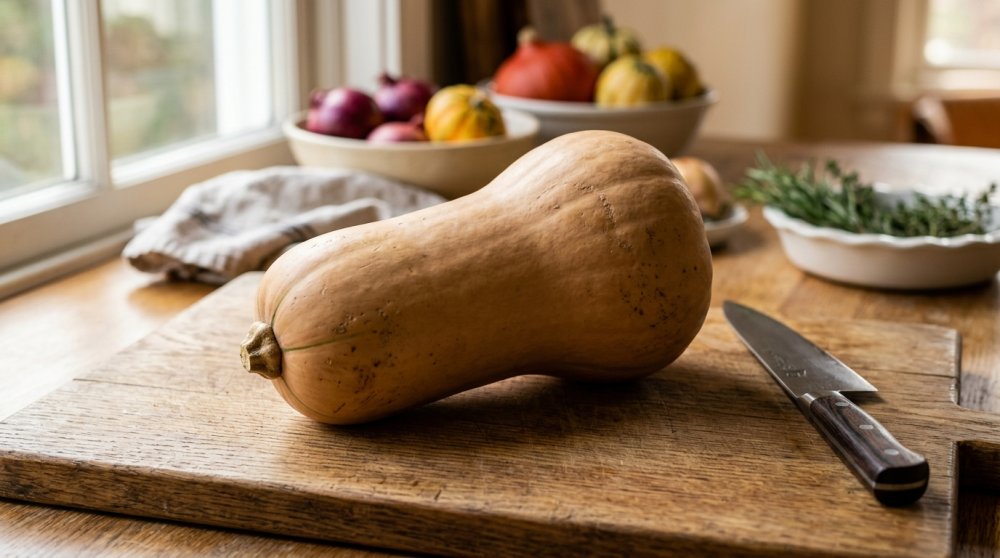
Health Points
- Butternut squash skin is completely safe to eat and contains valuable fiber and nutrients that support digestive health
- The skin becomes tender and edible when roasted at high temperatures, eliminating the need for difficult peeling
- Eating the skin reduces food waste while providing antioxidants that may help protect against chronic disease
For years, home cooks have struggled with the tedious task of peeling butternut squash before cooking. But nutrition experts say there’s a simpler approach that also delivers more health benefits: leave the skin on.
The practice of discarding butternut squash skin has become so common that many people don’t realize they’re throwing away a perfectly edible and nutritious part of the vegetable. Recent guidance from registered dietitians suggests this habit may be doing more harm than good — both to our health and our wallets.
Butternut squash skin contains concentrated amounts of fiber, which plays a crucial role in maintaining digestive health and promoting feelings of fullness. The skin also provides additional vitamins, minerals, and plant compounds that complement the nutrients found in the flesh. When properly prepared, the texture becomes tender and palatable, blending seamlessly with the creamy interior.
“The skin of butternut squash is not only safe to eat, but it actually provides beneficial nutrients that many people miss out on when they peel it away,”
says nutrition researcher Dr. Amanda Chen. “From a nutritional standpoint, you’re getting more value by keeping it intact.”
The key to making butternut squash skin enjoyable lies in the cooking method. Roasting the squash at temperatures above 400 degrees Fahrenheit softens the skin considerably, transforming it from tough and fibrous to pleasantly tender. This high-heat approach caramelizes the natural sugars while breaking down the cell walls that give raw squash skin its leathery texture.
Cutting the squash into smaller pieces before roasting further improves the results. Cubes or wedges allow more surface area to contact the hot pan, ensuring even cooking throughout. A light coating of olive oil and seasoning enhances both flavor and texture while promoting better browning.
Beyond the nutritional advantages, eating butternut squash skin aligns with broader efforts to reduce food waste in American households. The Environmental Protection Agency estimates that food waste accounts for a significant portion of landfill contents, with vegetable scraps making up a substantial component. By utilizing more parts of the produce we purchase, families can stretch their grocery budgets while minimizing environmental impact.
The antioxidants present in butternut squash skin, particularly carotenoids, may offer protective benefits against cellular damage. These compounds give the squash its distinctive orange color and have been studied for their potential role in supporting immune function and reducing inflammation. While the flesh contains these nutrients as well, the skin provides an additional concentrated source.
“When you consider the time saved by not peeling, combined with the nutritional boost and reduced waste, eating the skin becomes an obvious choice,”
notes culinary nutritionist Sarah Mitchell. “It’s a simple shift that makes meal preparation easier while supporting better health outcomes.”
For those concerned about pesticide residues, thoroughly washing the squash under running water before cooking addresses most contamination risks. Organic varieties offer an additional layer of assurance for families who prioritize minimizing chemical exposure. The thick skin of butternut squash actually provides natural protection against pesticide absorption compared to thinner-skinned vegetables.
The texture of cooked butternut squash skin has been compared to that of roasted sweet potato skin — slightly chewy but not unpleasant, with a mild, earthy flavor that doesn’t overpower the natural sweetness of the flesh. Many people who try eating the skin for the first time report surprise at how unobtrusive it is in the final dish.
This approach works well for a variety of preparations beyond simple roasting. Butternut squash soup maintains a smooth consistency when blended with the skin included, as the high-speed blades pulverize it completely. Stuffed squash halves, curries, and pasta dishes all benefit from the added nutrition without compromising taste or presentation.
The growing trend toward whole-food eating has encouraged more Americans to reconsider which parts of their vegetables they consume. What was once dismissed as inedible scraps is now recognized as valuable nutrition that previous generations routinely included in their diets. This return to traditional practices reflects both economic sensibility and nutritional wisdom.
Health-conscious consumers looking to maximize the nutritional value of their meals can start by making small changes like keeping butternut squash skin intact. These modest adjustments accumulate over time, contributing to better overall nutrient intake without requiring dramatic dietary overhauls or expensive supplements.
The shift away from peeling butternut squash also reduces kitchen injuries, as the tough exterior and awkward shape make the vegetable notoriously difficult to handle with a knife or peeler. By eliminating this step entirely, home cooks minimize the risk of cuts while speeding up meal preparation — a win on multiple fronts.
As more families discover the benefits of eating butternut squash skin, this simple practice may become as commonplace as eating potato skins or leaving the peel on cucumbers. The combination of improved nutrition, reduced waste, and easier preparation makes it an appealing option for busy households seeking practical ways to support their health without adding complexity to their routines.
