Health
The Small Organ That Could Be Behind Your Digestive Troubles

Health Points
- The gallbladder stores bile to help digest fats but isn’t essential for survival
- Gallstones affect up to 25 million Americans and can cause severe pain requiring emergency care
- Diet changes and medication can prevent gallbladder problems, though surgery may be necessary in some cases
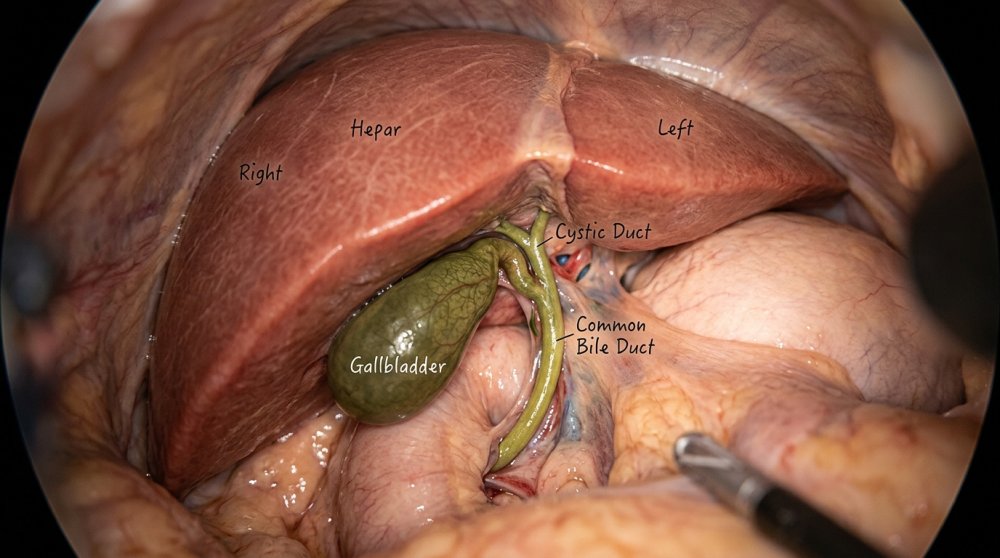
Tucked beneath your liver sits a small, pear-shaped organ that most people never think about—until something goes wrong. The gallbladder plays a quiet but important role in digestion, and for millions of Americans over 40, understanding how it works could prevent serious health complications.
“The gallbladder is essentially a storage unit for bile,” explains Dr. Michael Chen, a gastroenterologist at Johns Hopkins Medicine. “While your liver produces bile continuously, the gallbladder concentrates and stores it until you eat a meal containing fats.”
This four-inch organ holds about two ounces of bile—a yellowish-green fluid that breaks down dietary fats. When you consume foods like butter, cheese, or red meat, your gallbladder contracts and releases bile into the small intestine through a series of ducts. This process allows your body to absorb fat-soluble vitamins and essential nutrients.
Despite its function, the gallbladder isn’t essential for survival. Thousands of Americans live perfectly normal lives after gallbladder removal surgery, their livers compensating by releasing bile directly into the digestive system.
When Things Go Wrong
Gallbladder disease affects approximately 25 million Americans, with gallstones being the most common problem. These hardened deposits of digestive fluid can range from tiny grains of sand to golf ball-sized masses. Women, people over 40, those with obesity, and individuals with certain ethnic backgrounds face higher risks.
“Many people have gallstones and never know it,” notes Dr. Chen. “But when a stone blocks a bile duct, the pain can be excruciating—often mistaken for a heart attack.”
The classic symptoms include sudden, intense pain in the upper right abdomen, pain between the shoulder blades, nausea, and vomiting. These attacks often occur after eating fatty foods and can last from minutes to several hours.
Beyond gallstones, the organ can develop inflammation (cholecystitis), infection, or even cancer, though gallbladder cancer remains relatively rare. Chronic inflammation can lead to a thickened, scarred gallbladder that no longer functions properly.
Prevention and Treatment
Maintaining a healthy weight through gradual, sustainable changes offers the best protection against gallbladder problems. Rapid weight loss—losing more than three pounds per week—can actually trigger gallstone formation, as the liver secretes extra cholesterol into bile.
A diet rich in fiber, fruits, vegetables, and whole grains while limiting saturated fats and refined carbohydrates supports gallbladder health. Regular physical activity also reduces risk, with studies showing that 30 minutes of daily exercise can cut gallstone risk significantly.
“For people experiencing symptoms, treatment options range from watchful waiting to medication to surgery,” Dr. Chen explains. “The approach depends on symptom severity and overall health status.”
Ursodeoxycholic acid, a medication that can dissolve certain types of gallstones, offers a non-surgical option for some patients. However, this treatment works slowly—often requiring months or years—and stones frequently return after stopping the medication.
When gallstones cause repeated problems or complications arise, surgical removal (cholecystectomy) becomes the recommended treatment. This procedure ranks among the most common surgeries in the United States, with over 600,000 performed annually. Most are done laparoscopically, requiring only small incisions and offering quick recovery times.
Life After Removal
Following gallbladder removal, most people adapt quickly to life without this organ. The liver continues producing bile, which drips continuously into the small intestine rather than being stored and released in concentrated bursts.
Some people experience temporary digestive changes, particularly increased bowel movements or loose stools after eating fatty meals. These symptoms typically improve within a few weeks as the body adjusts. Eating smaller, more frequent meals and limiting high-fat foods during the adjustment period helps minimize discomfort.
“The vast majority of my patients tell me they wish they’d had the surgery sooner,” Dr. Chen says. “Once chronic gallbladder pain is resolved, quality of life improves dramatically.”
For those over 40, understanding your gallbladder’s role and recognizing warning signs can mean the difference between managing a minor issue and facing a medical emergency. While this small organ may not grab headlines, taking care of it through healthy lifestyle choices supports overall digestive wellness for years to come.
