Health
Why Doctors Say Hot Water May Help After Age 40

Health Points
- Hot water supports healthy digestion and may help relieve occasional constipation
- Warm liquids can soothe nasal congestion and support upper respiratory comfort
- Staying hydrated with any temperature water benefits circulation and overall wellness
Americans over 40 are rediscovering one of the oldest wellness habits in the world: drinking plain hot water. While our culture has long favored iced beverages, health experts say there may be genuine benefits to embracing warmth in your daily hydration routine.
The practice is rooted in ancient traditions, particularly in Asian cultures where hot water has been consumed for thousands of years. Now, modern research is catching up with what grandmothers have known for generations.
Dr. Sarah Mitchell, a gastroenterologist at Johns Hopkins Medicine, explains the digestive benefits. “Warm water can help stimulate the digestive tract and promote regularity,” she notes. “For people experiencing sluggish digestion as they age, it’s a simple, no-cost intervention worth trying.”
The temperature itself appears to matter. Hot water may help break down foods in the stomach more efficiently than cold water, which can temporarily slow digestive processes. For adults dealing with occasional constipation—a common concern after 40—warm water first thing in the morning has become a popular natural remedy.
Beyond digestion, hot water offers respiratory benefits. During cold and flu season, steam from hot beverages can help loosen mucus and soothe irritated nasal passages. It’s not a cure, but it provides comfort when you’re under the weather.
Circulation gets a boost too. Drinking hot liquids causes blood vessels to expand slightly, improving blood flow throughout the body. This effect is temporary but can contribute to an overall sense of warmth and well-being, especially beneficial for those with poor circulation.
The hydration factor cannot be overlooked. Many Americans simply don’t drink enough water. If switching to hot water makes the habit more appealing—particularly for those who find plain cold water unappealing—that’s a win for overall health.
Traditional Chinese Medicine has prescribed hot water for centuries, believing it balances the body’s internal temperature and supports vital energy. While Western medicine doesn’t use the same framework, the practical benefits align with what modern research now confirms.
Nutritionists recommend drinking hot water at a comfortable temperature—not scalding. Water heated to about 120-140°F is ideal. Temperatures above 149°F can damage the esophagus over time, so let your beverage cool slightly before drinking.
The best time to drink hot water is first thing in the morning on an empty stomach. This kick-starts digestion and helps rehydrate after hours of sleep. A cup before meals may also aid in portion control by creating a sense of fullness.
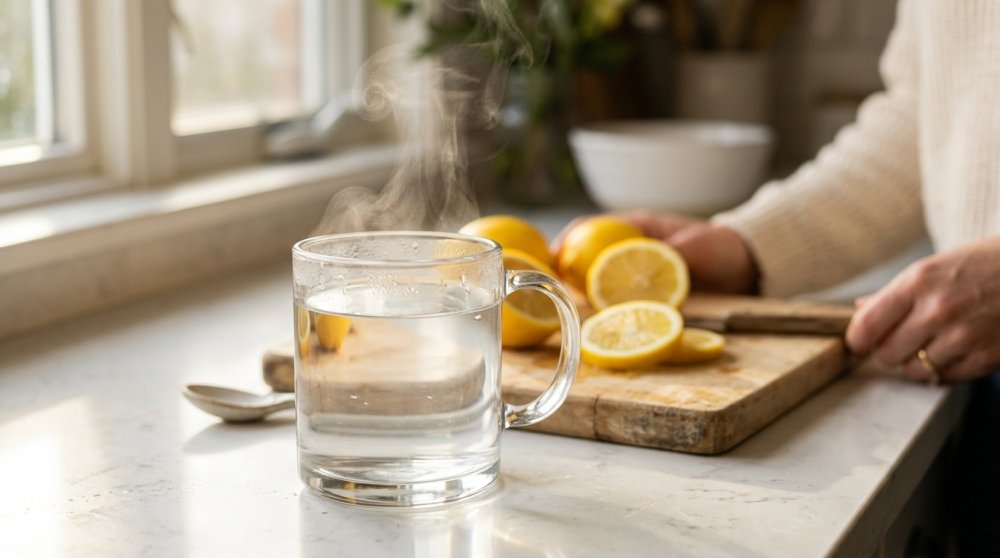
Some advocates add a slice of lemon for flavor and a vitamin C boost, though plain hot water works perfectly well. The key is consistency—making it part of your daily routine rather than an occasional practice.
For those concerned about dental health, hot water is gentler on tooth enamel than acidic or sugary beverages. It won’t stain teeth like coffee or tea, making it an excellent alternative for maintaining a bright smile.
Dr. Mitchell offers practical advice for those interested in trying the practice. “Start with one cup in the morning and see how your body responds,” she suggests. “Pay attention to how you feel—better digestion, improved regularity, or simply more comfortable throughout the day.”
There are few downsides to drinking hot water, though moderation applies as with anything. Drinking excessive amounts of any liquid can dilute electrolytes, so balance is important. Stick to reasonable amounts—six to eight cups of total fluid daily remains the general guideline.
The practice fits naturally into a conservative approach to health: simple, time-tested, and rooted in common sense rather than trendy supplements or complicated routines. It’s a return to basics that our bodies seem to appreciate.
As we age, our bodies often need gentler, more supportive approaches to wellness. Hot water represents exactly that—a soothing, natural way to support the body’s functions without chemicals, prescriptions, or expense.
Whether you embrace it as a morning ritual or an occasional comfort during illness, hot water stands as a reminder that sometimes the simplest health strategies are the most enduring.
