Health
The Hidden Mental Health Struggle Many New Fathers Face

Health Points
- Research shows approximately 10% of new fathers experience postpartum depression, though rates may be higher due to underreporting
- Symptoms in men often manifest differently than in women, including increased irritability, withdrawal, and risk-taking behaviors
- Early recognition and treatment can strengthen family bonds and improve outcomes for both fathers and children
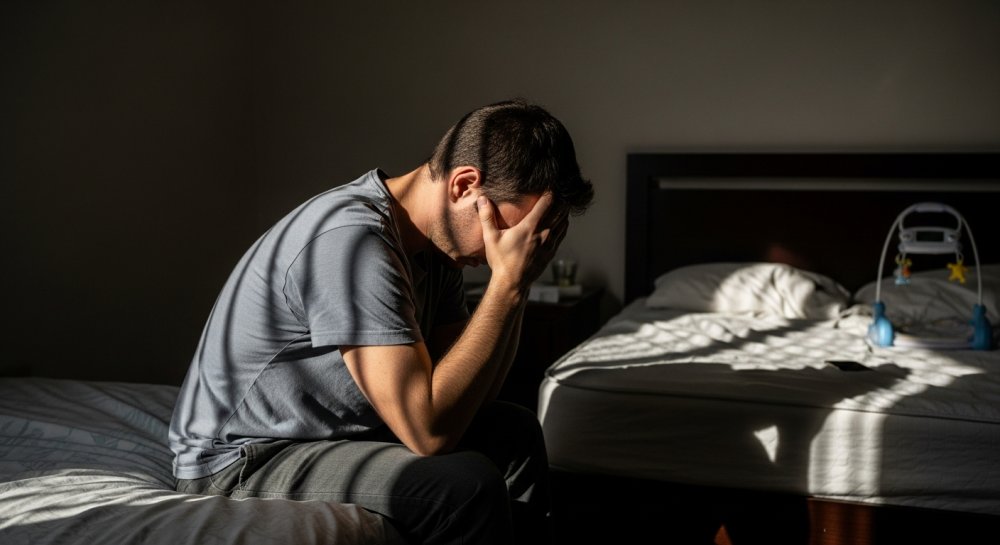
When couples welcome a new baby, most attention naturally focuses on the mother’s physical and emotional recovery. Yet an often-overlooked reality affects thousands of American families each year: new fathers can experience postpartum depression too.
The condition, sometimes called paternal postnatal depression, represents a significant mental health challenge that many men suffer in silence. Studies indicate that roughly one in ten fathers develops depression during the first year after their child’s birth, though experts believe the true number may be considerably higher.
Unlike the hormonal shifts that contribute to postpartum depression in mothers, fathers experience a different set of triggers. Sleep deprivation, financial pressure, relationship changes, and the overwhelming responsibility of caring for a newborn can create a perfect storm of stress.
The symptoms often look different in men compared to women. Rather than expressing sadness or crying, affected fathers may become increasingly irritable, angry, or withdrawn.
They might throw themselves into work to avoid home responsibilities, increase alcohol consumption, or engage in reckless behavior. Some men report feeling inadequate as providers or disconnected from their partner and baby.
Dr. Daniel Singley, a psychologist who specializes in men’s reproductive mental health, notes that traditional masculinity norms make it harder for men to seek help. Many fathers worry that admitting struggle will make them appear weak or incapable of handling their new role.
“We’ve created a culture where men are expected to be stoic providers, but becoming a father is one of life’s most profound transitions,” Dr. Singley explains.
“When men don’t feel they can express vulnerability or ask for support, they suffer alone — and so do their families.”
The impact extends beyond the father himself. Research demonstrates that paternal depression can affect child development, particularly in areas of language and behavior. Children of depressed fathers show higher rates of emotional and behavioral problems during early childhood.
Marital relationships also bear the strain, with depressed fathers reporting lower satisfaction and increased conflict with their partners.
Risk factors include a personal or family history of depression, relationship problems, financial stress, and lack of social support. First-time fathers and those whose partners experience postpartum depression face elevated risk.
Premature births, babies with health complications, and unplanned pregnancies can also increase vulnerability.
Recognition represents the first step toward recovery. Healthcare providers increasingly screen fathers during pediatric visits, though this practice remains far from universal.
Men who notice persistent feelings of sadness, hopelessness, or disconnection should speak with their doctor. Other warning signs include significant changes in appetite or sleep patterns, difficulty concentrating, and thoughts of self-harm.
Treatment typically involves therapy, sometimes combined with medication. Cognitive behavioral therapy has proven particularly effective, helping fathers identify negative thought patterns and develop healthier coping strategies.
Support groups specifically for new fathers provide valuable connection with others facing similar challenges.
Preventive measures can also make a difference. Maintaining open communication with partners about fears and expectations helps prevent isolation.
Accepting help from family and friends lightens the overwhelming burden of new parenthood. Prioritizing sleep whenever possible and maintaining physical activity supports mental health during this demanding transition.
Healthcare professionals emphasize that experiencing depression doesn’t make someone a bad father. Mental health challenges can affect anyone regardless of how much they love their child or want to be a good parent.
Seeking treatment demonstrates strength and commitment to family wellbeing.
As awareness grows, more resources have become available. Organizations like Postpartum Support International now offer specific programs for fathers, including a helpline staffed by counselors trained in paternal mental health.
Online communities provide 24/7 connection with other fathers navigating similar experiences.
The conversation around paternal postpartum depression continues to evolve. More pediatricians now include fathers in postpartum checkups, and some employers have expanded parental leave policies to support bonding time for both parents.
These systemic changes reflect growing recognition that healthy fathers contribute to healthy families.
For men struggling with the transition to fatherhood, the message is clear: you’re not alone, what you’re experiencing has a name, and effective help is available. Speaking up and seeking support doesn’t diminish your role as a father — it strengthens it.
