Lifestyle
The Science Behind Why Some People Need More Alone Time

Health Points
- Introverts recharge through solitude while extroverts gain energy from social interaction, a difference rooted in brain chemistry
- Understanding your personality type can help optimize your daily routines and prevent burnout
- Neither introversion nor extroversion is better—both offer unique strengths in relationships and work environments
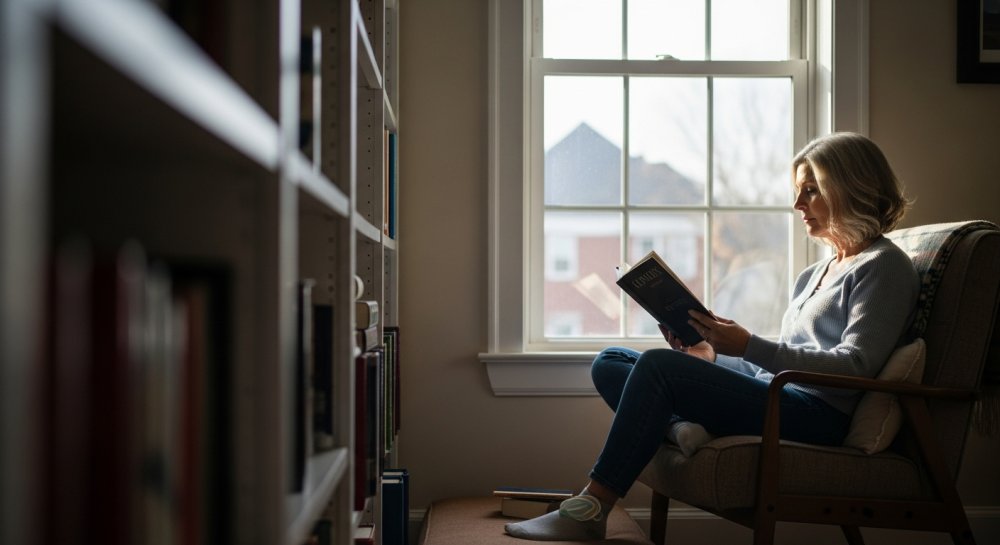
For years, Susan Thompson felt guilty about declining weekend social invitations from friends. The 52-year-old teacher loved her close relationships, but after a busy week in the classroom, all she wanted was a quiet Saturday at home with a book.
“I thought something was wrong with me,” she recalls. “Everyone else seemed energized by parties and gatherings, while I just felt drained.”
Thompson isn’t alone. Researchers estimate that 25 to 40 percent of Americans identify as introverts—individuals who recharge through solitude rather than social stimulation.
Understanding this fundamental personality trait can transform how we approach our health, relationships, and daily routines, especially as we navigate the demands of midlife and beyond.
What Makes Someone an Introvert?
The distinction between introverts and extroverts goes far beyond simple shyness or sociability. According to psychologists, the difference lies in how our brains process stimulation and where we direct our energy.
“Introverts have a higher baseline level of cortical arousal,” explains Dr. Jennifer Martin, a clinical psychologist specializing in personality research. “This means their brains are already quite stimulated, so they need less external input to feel satisfied.”
“Think of it like a battery,” Dr. Martin says. “Introverts drain their battery through social interaction and recharge through alone time, while extroverts are the opposite—they recharge through being with others.”
Brain imaging studies have revealed that introverts show more activity in the frontal lobe—the area responsible for problem-solving, planning, and remembering. They also have longer neural pathways for processing stimuli, which may explain why introverts often think deeply before speaking.
Common Traits Beyond Needing Solitude
While the need for alone time is the hallmark of introversion, several other characteristics often accompany this personality type. Introverts typically prefer deep, meaningful conversations over small talk.
They tend to have smaller circles of close friends rather than large social networks. Many introverts are excellent listeners and observers, noticing details others might miss.
“Introverts often excel at focused, independent work,” notes workplace consultant Michael Chen. “They’re comfortable working alone for extended periods and tend to think before they speak in meetings.”
However, introversion exists on a spectrum. Some people fall in the middle—known as ambiverts—displaying characteristics of both personality types depending on the situation.
The Health Benefits of Honoring Your Nature
Recognizing and respecting your introverted tendencies can significantly impact your wellbeing. Research shows that when introverts try to force themselves into extroverted behaviors for extended periods, they experience increased stress, fatigue, and even physical symptoms.
A 2019 study found that introverts who regularly scheduled solitary activities reported lower cortisol levels and better sleep quality than those who didn’t prioritize alone time. The mental health benefits are equally significant.
“When introverts honor their need for quiet time, they’re better equipped to manage anxiety and prevent emotional exhaustion,” says Dr. Patricia Reynolds, a geriatric psychiatrist. “This becomes especially important as we age and our energy reserves naturally decline.”
For people over 40, understanding your introverted nature can help prevent burnout during demanding life stages—whether caring for aging parents, managing career pressures, or navigating relationship changes.
Navigating Relationships as an Introvert
One of the biggest challenges introverts face is maintaining healthy relationships while honoring their need for solitude. Partners, friends, and family members who don’t share this trait may misinterpret the need for alone time as rejection.
Communication becomes essential. Relationship therapist Dr. Karen Wu recommends having honest conversations about your social energy needs.
“Explain that your need for quiet time isn’t personal,” Dr. Wu advises. “Help loved ones understand that you’ll be more present and engaged after you’ve had a chance to recharge.”
Many introverts find success by scheduling both social time and recovery time. After a dinner party, for example, plan a quiet morning the next day.
If your partner is extroverted, consider compromise strategies—attend the gathering together but set a predetermined departure time, or occasionally let your partner attend events solo while you enjoy an evening at home.
Thriving at Work
Modern workplace culture often favors extroverted traits—open office plans, constant collaboration, and frequent meetings can be draining for introverts. Yet introverts bring valuable strengths to professional environments.
Their ability to focus deeply makes them excellent at complex problem-solving and detailed work. Their thoughtful nature often leads to well-considered decisions.
Career coach Amanda Foster suggests that introverts advocate for work arrangements that suit their style. This might mean requesting a quiet workspace, blocking calendar time for uninterrupted work, or suggesting email communication instead of impromptu meetings when possible.
“The key is framing your needs in terms of productivity,” Foster explains. “Most managers are receptive when you show how certain conditions help you do your best work.”
As remote and hybrid work become more common, many introverts find these arrangements ideal—offering the quiet environment they need while still maintaining professional connections.
Self-Care Strategies for Introverts
Building a lifestyle that honors your introverted nature doesn’t mean becoming a hermit. It means being intentional about how you spend your energy.
Create a personal sanctuary at home—a quiet space where you can retreat and recharge without interruption. This might be a reading corner, a home office, or even just a comfortable chair where you can sit undisturbed.
Learn to recognize your energy signals. Notice when you’re starting to feel overstimulated or drained, and give yourself permission to step away.
Practice saying no without guilt. You don’t need to attend every social invitation or family gathering.
Choose quality over quantity in friendships, investing in a few deep connections rather than trying to maintain dozens of superficial relationships.
Schedule recovery time after social events just as you would any other important appointment. Treat your alone time as essential self-care, not a luxury.
Debunking Common Myths
Despite growing awareness, misconceptions about introversion persist. Perhaps the most common myth is that introverts are antisocial or don’t like people.
In reality, most introverts deeply value their relationships—they simply prefer smaller groups and need breaks from social interaction.
Another myth suggests introverts can’t be leaders. Yet many successful leaders throughout history have been introverts, including Warren Buffett and former President Barack Obama.
Their leadership style may differ from extroverted counterparts—often more thoughtful and less flashy—but equally effective.
Some believe introversion is a flaw that needs fixing. This harmful misconception ignores the reality that personality diversity benefits society.
We need both introverts and extroverts, each bringing different strengths to families, workplaces, and communities.
Moving Forward With Self-Acceptance
For Susan Thompson, the teacher who once felt guilty about her weekend solitude, understanding her introverted nature changed everything. She stopped apologizing for her needs and started planning her life around them.
“I’m a better friend, teacher, and person when I honor my need for quiet time,” she says. “I used to think I needed to change who I was, but now I realize I just needed to understand myself better.”
If you identify as an introvert, consider your personality type not as a limitation but as a blueprint for building a life that works for you. Pay attention to what energizes you versus what depletes you.
Communicate your needs clearly to the people in your life. Create routines and boundaries that protect your energy.
As we age, this self-knowledge becomes increasingly valuable. Our time and energy are precious resources.
Spending them in ways that align with our true nature isn’t selfish—it’s the foundation of authentic, sustainable wellbeing. Whether you’re an introvert, extrovert, or somewhere in between, honoring your personality type is one of the healthiest choices you can make.
