Nutrition
The Surprising Protein Powerhouse Hiding in Your Pantry

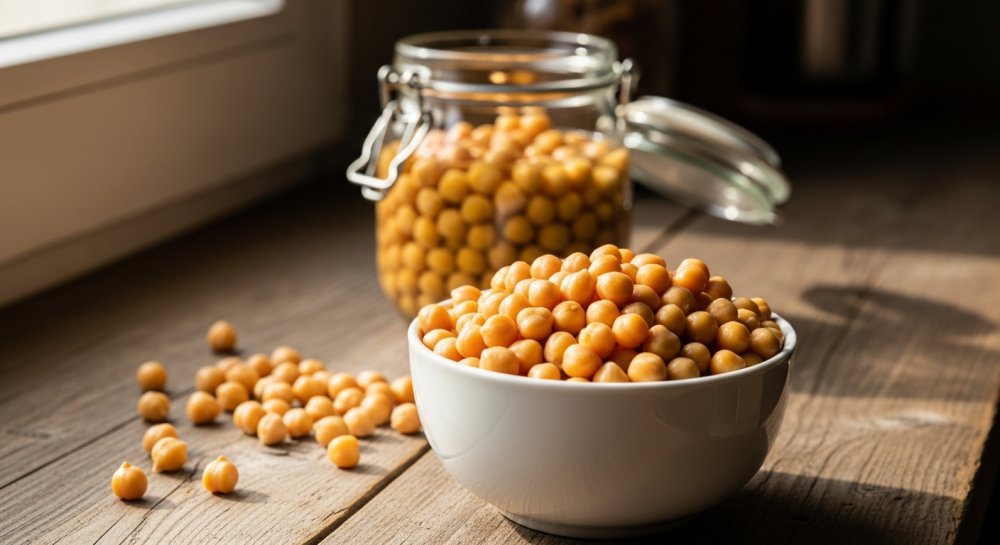
Health Points
- Chickpeas deliver 15 grams of protein and 12 grams of fiber per cup, supporting heart health and stable blood sugar
- These versatile legumes can be roasted for snacks, blended into hummus, or added to salads and soups
- Nutrition experts recommend incorporating chickpeas into meals at least twice weekly for optimal health benefits
For those seeking to boost their nutritional intake without complicated meal planning, chickpeas offer a practical solution that registered dietitians consistently recommend. This humble legume packs remarkable health benefits while fitting seamlessly into traditional American cooking.
“Chickpeas are one of the most nutrient-dense foods you can keep in your pantry,” explains registered dietitian nutritionist Sarah Johnson. “They provide sustained energy and keep you feeling satisfied between meals.”
The fiber content in chickpeas supports digestive health and helps maintain healthy cholesterol levels—particularly important for adults navigating their 40s and beyond. Each cup contains nearly half the daily recommended fiber intake, making them an efficient choice for busy families.
One straightforward approach involves roasting chickpeas with olive oil and simple seasonings. After draining and patting dry a can of chickpeas, toss them with a tablespoon of olive oil, salt, and garlic powder, then bake at 400 degrees for 25-30 minutes until crispy. This creates a satisfying snack that replaces less nutritious options.
“We’ve moved away from complicated recipes and focused on what actually works for real families,” notes dietitian Michael Chen. “Roasted chickpeas deliver nutrition without requiring culinary expertise.”
Traditional hummus remains a classic preparation that pairs well with fresh vegetables or whole-grain crackers. Blend cooked chickpeas with tahini, lemon juice, garlic, and olive oil for a protein-rich dip that takes minutes to prepare. This Mediterranean staple has earned its place in American kitchens for good reason.
Adding chickpeas directly to salads provides texture and substance without overwhelming other flavors. Rinse canned chickpeas and toss them with mixed greens, cherry tomatoes, cucumber, and a simple vinaigrette. This approach transforms a side salad into a complete meal.
For those who enjoy warm, comforting dishes, chickpeas work beautifully in soups and stews. Their mild flavor absorbs surrounding seasonings while adding heartiness to vegetable-based recipes. A simple minestrone or chicken soup gains nutritional value with a cup of chickpeas stirred in during the final minutes of cooking.
“The beauty of chickpeas is their adaptability,” says registered dietitian Lisa Martinez. “You’re not locked into one cuisine or cooking method.”
Pasta dishes benefit from chickpeas as well. Sauté them with garlic and olive oil, then toss with whole-grain pasta and fresh spinach. This combination delivers protein, fiber, and essential vitamins in a format familiar to American dinner tables.
The preparation couldn’t be simpler—canned chickpeas require only rinsing before use, while dried chickpeas need overnight soaking and simmering. Both options maintain nutritional integrity, though canned varieties offer unmatched convenience for weeknight cooking.
Cost considerations matter for budget-conscious shoppers, and chickpeas excel here too. A single can typically costs less than two dollars and provides multiple servings, making them among the most economical protein sources available. Buying dried chickpeas in bulk reduces costs even further.
Blood sugar management represents another significant benefit. The combination of protein and fiber in chickpeas helps prevent the rapid spikes associated with refined carbohydrates. This makes them particularly valuable for adults monitoring their glucose levels or working to maintain stable energy throughout the day.
“When we look at foods that support healthy aging, chickpeas consistently rank at the top,” Chen adds. “They address multiple nutritional needs simultaneously.”
Storage presents no challenges—unopened cans last years in the pantry, while cooked chickpeas keep in the refrigerator for up to four days. Preparing a batch on Sunday provides quick additions to meals throughout the week, supporting the kind of practical meal planning that actually sustains healthy eating habits.
For those new to cooking with legumes, starting with familiar applications helps build confidence. Substituting chickpeas for meat in one or two meals weekly creates a gentle transition that doesn’t require abandoning preferred flavors or cooking methods.
The mineral content in chickpeas—including iron, magnesium, and zinc—supports various bodily functions from immune health to bone strength. These micronutrients become increasingly important with age, making chickpeas a smart choice for long-term wellness.
“We’re not asking people to overhaul their entire diet,” Johnson emphasizes. “Small, consistent changes with nutritious foods like chickpeas create lasting impact.”
Whether roasted as a crunchy snack, blended into smooth hummus, tossed into fresh salads, simmered in hearty soups, or mixed with pasta, chickpeas deliver reliable nutrition without requiring specialized ingredients or techniques. For adults seeking practical ways to support their health through everyday food choices, this pantry staple offers a solution grounded in both tradition and science.
