Nutrition
Morning Meals That Help Your Heart Without Sacrificing Flavor

Health Points
- High-protein breakfasts combining soluble fiber, healthy fats, and plant-based proteins can naturally support healthy cholesterol levels while keeping you satisfied longer.
- Strategic morning nutrition choices—like oatmeal with nuts, Greek yogurt with berries, or egg-white scrambles with vegetables—provide proven cardiovascular benefits backed by research.
- Simple breakfast swaps, such as choosing steel-cut oats over sugary cereals or adding ground flaxseed to smoothies, make meaningful differences in heart health over time.
A nutritious breakfast sets the tone for the entire day, and choosing the right morning meal can do more than just satisfy hunger—it can actively support your cardiovascular health. For Americans over 40, when cholesterol management becomes increasingly important, strategic breakfast choices offer a delicious path to better heart health.
The connection between breakfast composition and cholesterol levels has gained significant attention from nutrition researchers in recent years. High-protein morning meals that incorporate soluble fiber, heart-healthy fats, and plant-based ingredients can help manage cholesterol naturally while providing sustained energy throughout the morning.
“Starting your day with a protein-rich breakfast that includes fiber and healthy fats can have a meaningful impact on your cholesterol profile,” explains registered dietitian nutritionists who specialize in cardiovascular health. The key lies in understanding which combinations work best.
Oatmeal-based breakfasts rank among the most effective cholesterol-friendly options. Steel-cut or rolled oats contain beta-glucan, a type of soluble fiber that binds to cholesterol in the digestive system and helps remove it from the body.
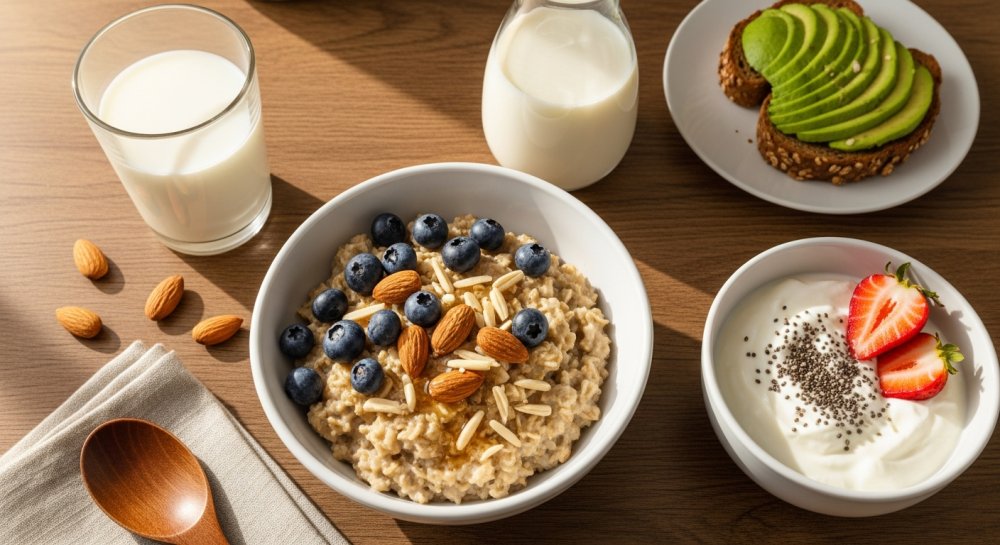
When topped with walnuts, almonds, or ground flaxseed—all rich in omega-3 fatty acids—oatmeal becomes a powerhouse breakfast for heart health. Adding berries provides additional antioxidants and fiber without excess sugar.
Greek yogurt parfaits offer another excellent foundation for heart-healthy breakfasts. The high protein content in Greek yogurt helps maintain satiety while supporting healthy metabolism.
Layering Greek yogurt with fresh fruit, chia seeds, and a handful of nuts creates a balanced meal that delivers protein, probiotics for gut health, and cholesterol-lowering soluble fiber. Choosing plain yogurt and adding natural sweetness from fruit avoids the added sugars found in flavored varieties.
Egg-based breakfasts deserve reconsideration in light of updated nutritional science. While eggs contain dietary cholesterol, research now shows that for most people, dietary cholesterol has less impact on blood cholesterol than previously believed.
The bigger concern involves saturated and trans fats. Egg whites provide pure protein without cholesterol, making them ideal for scrambles and omelets loaded with vegetables like spinach, tomatoes, bell peppers, and mushrooms.
Whole eggs can still fit into a heart-healthy diet when balanced with fiber-rich vegetables and whole grains. An omelet with one whole egg and two egg whites, paired with whole-grain toast and avocado, delivers protein, healthy fats, and fiber in one satisfying meal.
Smoothies present versatile opportunities for cholesterol management when constructed thoughtfully. A base of unsweetened almond milk or low-fat kefir combined with frozen berries, a handful of spinach, protein powder, and a tablespoon of ground flaxseed or chia seeds creates a nutrient-dense breakfast.
The soluble fiber from flaxseed and chia seeds specifically targets LDL cholesterol—the type most associated with cardiovascular risk. Adding a small amount of nut butter increases both protein content and satisfaction without excessive calories.
Whole grain toast serves as another foundation for heart-healthy breakfasts. Topping whole wheat or multigrain bread with mashed avocado provides monounsaturated fats that can help raise HDL (good) cholesterol while lowering LDL (bad) cholesterol.
Adding a poached egg or smoked salmon increases protein content while keeping saturated fat moderate. A sprinkle of hemp hearts or pumpkin seeds adds extra protein, healthy fats, and a satisfying crunch.
Cottage cheese, often overlooked in breakfast planning, offers remarkable versatility and nutritional benefits. High in protein and lower in fat than many cheeses, cottage cheese pairs beautifully with both sweet and savory accompaniments.
Mixing cottage cheese with sliced peaches, a drizzle of honey, and chopped walnuts creates a balanced breakfast. For savory preferences, combining cottage cheese with cherry tomatoes, cucumber, and everything bagel seasoning delivers protein and vegetables without cholesterol-raising saturated fats.
Nut and seed butters expand breakfast possibilities beyond traditional peanut butter. Almond butter, cashew butter, and tahini all provide healthy fats, protein, and minerals that support cardiovascular function.
Spreading almond butter on apple slices or whole grain crackers offers a quick breakfast with staying power. Tahini mixed into overnight oats with cinnamon and dates creates a Mediterranean-inspired breakfast rich in sesame seed nutrients.
Breakfast bowls combining quinoa or farro with nuts, seeds, and fruit represent another creative approach. These ancient grains provide complete protein along with fiber and nutrients.
A warm quinoa bowl topped with sliced banana, a spoonful of almond butter, and a sprinkle of cinnamon delivers comfort alongside cholesterol-managing nutrition. The combination of plant protein, soluble fiber, and healthy fats checks all the boxes for heart health.
Chia seed pudding prepared the night before offers convenience without compromising nutrition. When chia seeds soak in almond milk or low-fat dairy milk, they create a pudding-like texture naturally high in omega-3 fatty acids and soluble fiber.
Layering chia pudding with berries and a small amount of granola creates an appealing breakfast that supports healthy cholesterol levels. The make-ahead nature of chia pudding removes morning rush barriers to nutritious eating.
Breakfast burritos constructed with egg whites, black beans, vegetables, and a small amount of cheese in a whole wheat tortilla provide substantial protein and fiber. Black beans specifically contain soluble fiber that helps lower cholesterol.
Topping with salsa and a dollop of Greek yogurt instead of sour cream keeps saturated fat in check while adding flavor and additional protein. These burritos can be prepared in batches and frozen for quick reheating.
Smoked salmon on whole grain bread or crackers with a schmear of light cream cheese delivers heart-healthy omega-3 fatty acids. Salmon contains EPA and DHA, types of omega-3s particularly beneficial for cardiovascular health.
Adding sliced cucumber, tomato, and red onion increases vegetable intake and adds satisfying crunch. This breakfast option feels indulgent while actively supporting cholesterol management.
Whole grain pancakes or waffles need not be abandoned in a cholesterol-conscious eating plan. Using whole wheat flour or oat flour, egg whites, and mashed banana for sweetness creates a nutritious base.
Topping with fresh berries and a drizzle of pure maple syrup rather than butter and syrup reduces saturated fat significantly. A side of turkey sausage or a glass of low-fat milk adds protein to balance the meal.
Breakfast salads, though unconventional, offer maximum vegetable intake from the day’s start. Combining mixed greens with hard-boiled eggs, chickpeas, cherry tomatoes, cucumbers, and a lemon-tahini dressing creates a savory breakfast rich in fiber and plant protein.
The fiber from vegetables and legumes helps lower cholesterol while providing volume and satisfaction. This option particularly appeals to those who prefer savory over sweet breakfast flavors.
Protein-rich muffins made with oat flour, Greek yogurt, egg whites, and blueberries can be baked ahead for grab-and-go convenience. Unlike typical bakery muffins loaded with sugar and refined flour, these versions prioritize nutrition.
Ground flaxseed or wheat germ added to the batter increases soluble fiber content. A batch made on Sunday provides weekday breakfasts that support rather than undermine cholesterol goals.
Tofu scrambles offer a completely plant-based, cholesterol-free breakfast option high in protein. Crumbled firm tofu seasoned with turmeric, garlic powder, and black pepper creates an egg-like texture and appearance.
Adding sautéed vegetables like spinach, peppers, and onions increases fiber and nutrients. Served with whole grain toast and avocado, this breakfast provides substantial protein and heart-healthy fats without any dietary cholesterol.
Overnight oats represent perhaps the most versatile cholesterol-friendly breakfast option. The base formula—rolled oats, liquid, and refrigeration time—accepts countless variations.
Combining oats with almond milk, chia seeds, cinnamon, and diced apple creates an apple-pie-inspired breakfast. Alternatively, mixing oats with cocoa powder, banana, and peanut butter satisfies chocolate cravings while delivering cholesterol-lowering beta-glucan fiber.
The preparation requires only minutes the night before, and the result is a ready-to-eat breakfast that supports cardiovascular health through its combination of soluble fiber, plant protein, and healthy fats. Adding fresh fruit in the morning provides additional vitamins and antioxidants.
Making these breakfast choices consistently creates cumulative benefits for cholesterol management. Small daily decisions compound over weeks and months into measurable improvements in cardiovascular health markers.
The beauty of these breakfast options lies in their variety—no single approach fits everyone, and rotating through different combinations prevents breakfast boredom while maintaining nutritional benefits. Whether you prefer sweet or savory, hot or cold, quick or leisurely, cholesterol-friendly options exist to match your preferences and schedule.
For those managing cholesterol through lifestyle rather than solely through medication, breakfast represents an opportunity to take positive action three times daily. Combined with regular physical activity and overall balanced eating, strategic breakfast choices contribute meaningfully to long-term heart health and wellness well into later decades of life.
