Nutrition
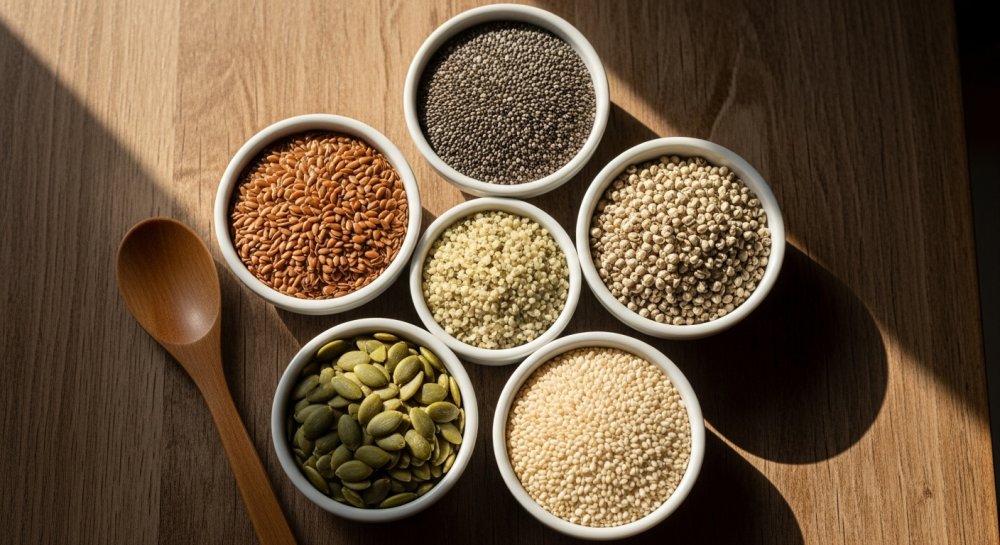
Six Everyday Seeds Cardiologists Say Could Transform Your Heart Health

Health Points
- Flaxseeds, chia seeds, and hemp seeds contain omega-3 fatty acids that may help reduce inflammation and support cardiovascular function
- Pumpkin seeds and sunflower seeds provide magnesium and healthy fats linked to better blood pressure regulation
- Adding just one to two tablespoons of these nutrient-dense seeds daily can be an easy, affordable way to boost heart-protective nutrients in your diet
For those looking to support their heart health naturally, the answer might be hiding in your pantry. Nutrition experts are highlighting six types of seeds that pack a powerful punch when it comes to cardiovascular wellness—and they’re easier to incorporate into your daily routine than you might think.
While medications and lifestyle changes remain the cornerstone of heart health, emerging research suggests that certain seeds contain beneficial compounds that may complement these efforts. From reducing inflammation to improving cholesterol profiles, these tiny nutritional powerhouses are gaining attention from cardiologists and dietitians alike.
Flaxseeds Lead the Pack
Ground flaxseeds top many experts’ lists for heart health support. These small brown or golden seeds are rich in alpha-linolenic acid (ALA), a plant-based omega-3 fatty acid. Research indicates that omega-3s may help reduce inflammation throughout the body, including in blood vessels.
The fiber content in flaxseeds also deserves attention. Both soluble and insoluble fiber work together to support digestive health while potentially helping to manage cholesterol levels. For optimal absorption, nutrition experts recommend grinding flaxseeds before consumption rather than eating them whole.
Adding ground flaxseed to morning oatmeal, yogurt, or smoothies provides a simple way to incorporate this heart-healthy food. Just one to two tablespoons daily may offer meaningful benefits without requiring dramatic dietary changes.
Chia Seeds Pack Nutritional Density
Chia seeds have moved beyond trendy superfood status to earn recognition for their legitimate health benefits. Like flaxseeds, chia seeds contain substantial amounts of omega-3 fatty acids along with fiber, protein, and essential minerals.
What sets chia seeds apart is their unique ability to absorb liquid and form a gel-like consistency. This property makes them particularly versatile in recipes ranging from puddings to baked goods. The soluble fiber in chia seeds may help slow digestion and potentially support more stable blood sugar levels—an important consideration for overall cardiovascular health.
For adults over 40 managing multiple health priorities, chia seeds offer a nutrient-dense option that supports several wellness goals simultaneously. They’re also shelf-stable and require no preparation, making them ideal for busy households.
Hemp Seeds Offer Complete Protein
Hemp seeds, also called hemp hearts, provide all nine essential amino acids, making them a complete protein source. This nutritional profile is relatively rare in plant-based foods and makes hemp seeds particularly valuable for those reducing animal protein intake.
Beyond protein, hemp seeds contain gamma-linolenic acid (GLA), another beneficial fatty acid. Some research suggests GLA may help reduce inflammation, though more studies are needed to fully understand its cardiovascular effects. Hemp seeds also provide magnesium, a mineral that plays a role in maintaining healthy blood pressure.
The mild, slightly nutty flavor of hemp seeds makes them easy to sprinkle over salads, blend into smoothies, or add to virtually any dish without altering the taste significantly.
Pumpkin Seeds Support Blood Pressure
Pumpkin seeds, or pepitas, are rich in magnesium—a mineral many Americans don’t consume in adequate amounts. Magnesium supports hundreds of biochemical reactions in the body, including those that help regulate blood pressure and maintain steady heart rhythm.
These green seeds also contain antioxidants and healthy fats that may contribute to cardiovascular wellness. Some research has explored the potential for pumpkin seed compounds to support healthy cholesterol levels, though results remain preliminary.
Roasted pumpkin seeds make a satisfying snack on their own, while raw versions can be added to granola, trail mix, or baked goods. Their slight sweetness and satisfying crunch appeal to many palates.
Sunflower Seeds Provide Vitamin E
Sunflower seeds are an excellent source of vitamin E, a fat-soluble antioxidant that helps protect cells from oxidative stress. Some studies have explored whether vitamin E might help support heart health by reducing oxidative damage to blood vessels, though research continues in this area.
These seeds also provide healthy fats, fiber, and several B vitamins. The combination of nutrients in sunflower seeds supports overall wellness while potentially contributing to cardiovascular health specifically. Like pumpkin seeds, sunflower seeds offer versatility—enjoy them as a snack, in salads, or as a topping for various dishes.
For those with nut allergies, sunflower seed butter provides an alternative spread that delivers similar nutritional benefits without the allergen concerns.
Sesame Seeds Round Out the List
Sesame seeds might be small, but they contain compounds called lignans that have attracted researcher interest. These plant compounds may help support healthy cholesterol levels and provide antioxidant benefits, though more human studies are needed.
Sesame seeds also supply calcium, iron, and healthy fats. Their distinctive flavor adds depth to both sweet and savory dishes, from Asian-inspired meals to baked goods. Tahini, a paste made from ground sesame seeds, offers another way to incorporate these nutrients into your diet.
Toasting sesame seeds briefly enhances their nutty flavor and can make them more appealing for those new to incorporating seeds into their eating patterns.
Practical Tips for Daily Use
The key to benefiting from these heart-healthy seeds is consistent, moderate consumption rather than occasional large amounts. Nutrition experts typically recommend one to two tablespoons daily of mixed seeds for optimal variety.
Simple incorporation strategies include adding seeds to breakfast cereals, yogurt, or cottage cheese; blending them into smoothies; sprinkling them over salads or roasted vegetables; or mixing them into homemade energy balls or granola bars. Storing seeds in the refrigerator helps maintain freshness and prevents oils from becoming rancid.
While these seeds offer promising nutritional benefits, they work best as part of an overall heart-healthy lifestyle that includes regular physical activity, stress management, adequate sleep, and other nutritious foods. Anyone with existing heart conditions or taking cardiovascular medications should consult their healthcare provider before making significant dietary changes.
For adults navigating the health considerations that come with aging, these six seeds offer an evidence-based, accessible approach to supporting heart wellness. They’re affordable, widely available, and easy to incorporate—making them a practical choice for those committed to taking an active role in their cardiovascular health.
