Nutrition
The South African Tea That May Transform Your Digestive Health After 40

Health Points
- Rooibos tea contains unique antioxidants called aspalathin and nothofagin that may reduce inflammation throughout the body
- Studies suggest regular rooibos consumption supports healthy gut bacteria and improves digestive function
- This caffeine-free tea offers a gentle alternative for those seeking wellness benefits without sleep disruption
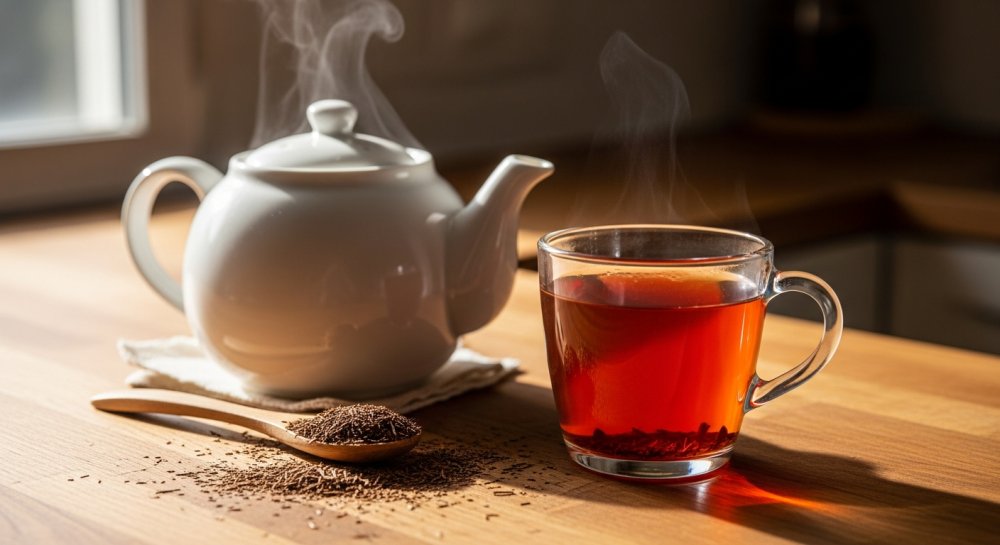
A traditional South African beverage is gaining attention among health-conscious Americans seeking natural ways to support their digestive wellness and reduce inflammation. Rooibos tea, pronounced “roy-boss,” comes from the needle-like leaves of the Aspalathus linearis plant and has been consumed for centuries in its native region.
Unlike green or black tea, rooibos contains no caffeine, making it an ideal choice for those who want to enjoy a soothing cup any time of day without worrying about disrupted sleep patterns. The naturally sweet, earthy flavor appeals to many who find traditional teas too bitter or astringent.
The tea’s potential health benefits stem from its rich antioxidant profile, particularly two compounds rarely found in other beverages: aspalathin and nothofagin. These powerful plant compounds have demonstrated anti-inflammatory properties in research settings, suggesting they may help calm systemic inflammation that contributes to various age-related health concerns.
Research indicates that rooibos may support the gut microbiome, the complex community of beneficial bacteria that plays a crucial role in digestion, immune function, and overall wellness. A balanced gut environment becomes increasingly important as we age, influencing everything from nutrient absorption to mood regulation.
Studies have shown that the polyphenols in rooibos tea may promote the growth of beneficial bacteria while discouraging harmful microorganisms. This balancing act supports digestive comfort and may reduce common complaints like bloating and irregularity that many experience with advancing years.
The anti-inflammatory properties of rooibos extend beyond the digestive tract. Chronic low-grade inflammation has been linked to numerous health conditions, from joint discomfort to cardiovascular concerns. By incorporating anti-inflammatory foods and beverages into daily routines, many adults are taking proactive steps toward long-term wellness.
Preparing rooibos tea is straightforward: steep one to two teaspoons of loose tea or one tea bag in freshly boiled water for five to seven minutes. The longer steeping time allows the beneficial compounds to fully infuse into the water. The tea can be enjoyed hot or cold, plain or with a touch of honey or lemon.
Nutritionists note that rooibos contains several minerals including calcium, magnesium, and potassium, though in relatively modest amounts. The real nutritional value lies in its antioxidant content rather than its mineral profile.
For those managing their caffeine intake due to heart health concerns, sleep issues, or medication interactions, rooibos offers a satisfying alternative to coffee and traditional teas. Its naturally caffeine-free composition makes it suitable for evening consumption without the worry of lying awake at night.
The tea has also gained popularity among those seeking to reduce added sugars in their diet. Its inherent sweetness means many people enjoy it without any sweetener, unlike more bitter beverages that often require sugar or honey to be palatable.
While rooibos tea shows promise for supporting gut health and reducing inflammation, health experts emphasize it should be viewed as part of a comprehensive wellness approach. No single food or beverage can compensate for poor dietary habits or replace medical treatment for existing conditions.
Those interested in trying rooibos can find it readily available in health food stores, many supermarkets, and online retailers. Both loose leaf and bagged versions are widely accessible, with organic options available for those who prefer to minimize pesticide exposure.
As with any dietary change, individuals taking medications or managing chronic health conditions should consult with their healthcare provider before significantly increasing their consumption of any herbal tea. While rooibos is generally considered safe, it’s always prudent to discuss new additions to your wellness routine with a qualified professional.
The growing interest in rooibos tea reflects a broader trend among health-conscious adults seeking natural, evidence-based approaches to support their wellbeing as they age. By making thoughtful choices about what we consume daily, we can take meaningful steps toward maintaining vitality and comfort in our later years.
