Nutrition
These Seven Summer Fruits May Support Your Health in Ways You Never Imagined

Health Points
- Summer fruits like watermelon and berries provide essential hydration and powerful antioxidants that support healthy aging
- Stone fruits and melons deliver vital nutrients including vitamins A and C while helping maintain digestive health
- Incorporating a variety of seasonal fruits into your daily diet can strengthen immune function and promote cardiovascular wellness
As temperatures rise and farmers markets overflow with vibrant seasonal produce, nutrition experts are highlighting seven fruits that offer exceptional health benefits for those seeking to maintain vitality through their middle years and beyond. These summer staples provide more than just refreshing sweetness—they deliver powerful compounds that support the body’s natural defenses and promote overall wellness.
“Summer fruits are nature’s way of providing exactly what our bodies need during the warmest months,” explains registered dietitian Sarah Mitchell, who specializes in age-appropriate nutrition. “They’re packed with water, antioxidants, and essential vitamins that become even more important as we age.”
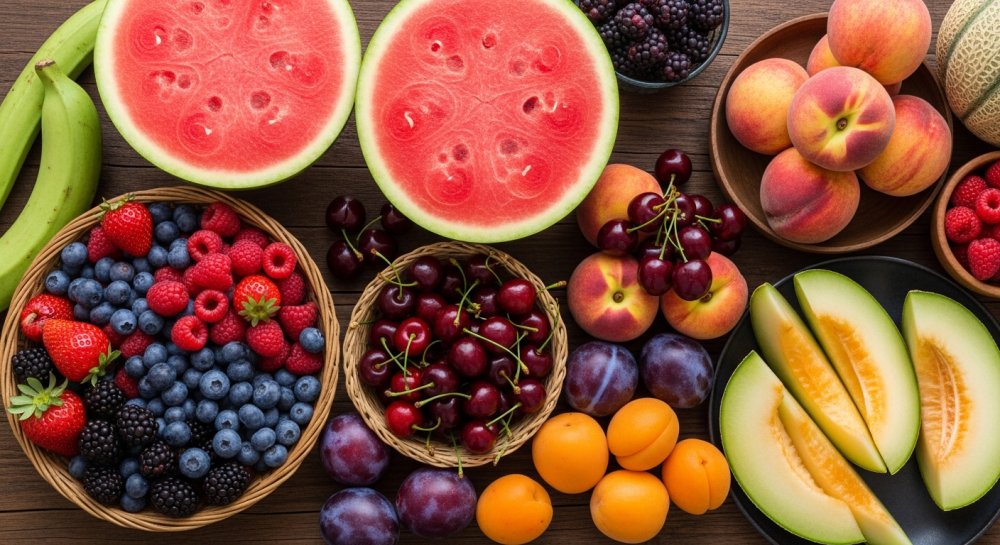
Watermelon stands out as a hydration powerhouse, containing over 90 percent water while delivering lycopene, a potent antioxidant linked to cardiovascular health. The bright red flesh signals high levels of this beneficial compound, which research suggests may support healthy blood pressure levels already within normal range. A generous two-cup serving provides significant amounts of vitamins A and C while containing fewer than 100 calories.
Berries—including strawberries, blueberries, raspberries, and blackberries—earn their reputation as nutritional superstars through exceptional antioxidant content. These colorful fruits contain anthocyanins, compounds that give them their rich hues and may support cognitive function as we age. Blueberries in particular have been studied for their potential to support memory and mental sharpness.
“I recommend incorporating at least one cup of mixed berries into your daily routine,” Mitchell notes. “They’re incredibly versatile—add them to yogurt, blend them into smoothies, or simply enjoy them fresh as a satisfying snack.”
Peaches and nectarines, known as stone fruits, provide valuable fiber that supports digestive health—a concern that becomes increasingly important with age. These fuzzy and smooth-skinned cousins deliver vitamin C, potassium, and beneficial plant compounds. Their natural sweetness can satisfy cravings for less nutritious treats while contributing to daily fruit intake recommendations.
Cherries arrive at markets for a brief but glorious window each summer, offering unique benefits that justify their premium price. Research indicates that tart cherries contain compounds that may support joint comfort and healthy inflammatory response. Sweet cherries provide similar nutrients in a more palatable package for those who prefer less tartness. Both varieties supply melatonin, which may support healthy sleep patterns.
Cantaloupe delivers an impressive nutritional profile, with one cup providing more than 100 percent of the daily recommended vitamin A intake. This essential nutrient supports eye health and immune function—both priorities for maintaining wellness over 40. The orange flesh also contains vitamin C and potassium while providing satisfying hydration on hot summer days.
Plums round out the stone fruit category with their distinctive flavor and deep purple skin, which indicates high levels of protective antioxidants. These compounds may support healthy aging at the cellular level. Plums also provide vitamin K, important for bone health, and dietary fiber that promotes digestive regularity.
Apricots, though sometimes overlooked, deserve attention for their beta-carotene content, which the body converts to vitamin A. Fresh apricots provide a delicate sweetness and tender texture that makes them perfect for eating out of hand or adding to salads. Their compact size makes them an ideal portable snack for busy summer days.
Nutrition experts emphasize that variety matters when incorporating summer fruits into a health-conscious eating pattern. Different colors indicate different beneficial compounds, so rotating through multiple fruit types ensures a broader range of nutrients.
“The most important strategy is finding fruits you genuinely enjoy eating,” Mitchell advises. “If you don’t like the taste, you won’t maintain the habit. Fortunately, summer provides abundant delicious options that make healthy eating a pleasure rather than a chore.”
For optimal nutritional benefit, experts recommend choosing locally grown fruits when possible, as they’re typically harvested at peak ripeness and retain maximum nutrient content. Farmers markets and community-supported agriculture programs offer excellent sources for fresh, seasonal produce. When selecting fruits at any retail location, look for firm texture, vibrant color, and pleasant aroma—signs of quality and freshness.
Storage practices can preserve nutritional value and extend enjoyment of seasonal fruits. Most berries should be refrigerated and used within several days of purchase. Stone fruits can ripen at room temperature, then transfer to refrigeration once they yield slightly to gentle pressure. Melons benefit from cool storage after cutting, though whole melons can remain at room temperature until ready to use.
Summer’s bounty offers a natural opportunity to boost fruit intake while enjoying peak flavors that make healthy eating effortless and enjoyable. By incorporating these seven nutritional powerhouses into regular meal planning, individuals can support their health goals while savoring the simple pleasures of the season.
