Nutrition
The Surprising Nut That Packs More Protein Than Almonds

Health Points
- Peanuts lead all nuts with 7 grams of protein per ounce, followed by almonds and pistachios at 6 grams each
- Nuts provide heart-healthy fats, fiber, and essential minerals that support cardiovascular and bone health
- A one-ounce daily serving of mixed nuts may help stabilize blood sugar and reduce inflammation
For health-conscious adults looking to boost their protein intake naturally, nuts offer a convenient solution that fits easily into any lifestyle. While most people reach for almonds when seeking a protein-rich snack, nutrition experts reveal that several other varieties deliver comparable or even superior nutritional benefits.
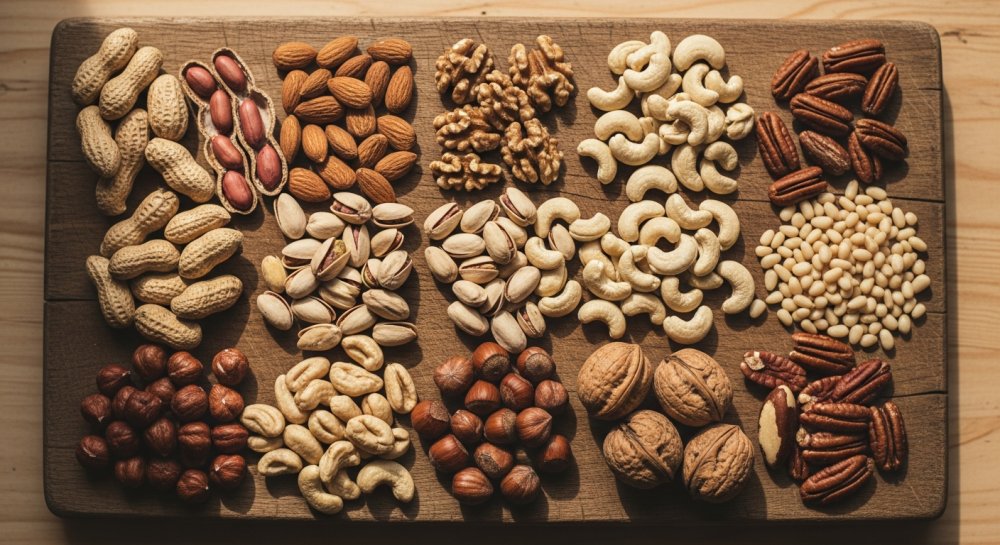
Peanuts top the protein rankings among commonly consumed nuts, delivering 7 grams per one-ounce serving. Despite their name, peanuts are technically legumes, but they share the same nutritional profile and health benefits as tree nuts.
Almonds and pistachios tie for second place, each providing 6 grams of protein per ounce. These nuts also contain significant amounts of vitamin E, magnesium, and healthy monounsaturated fats that support heart health and help maintain stable energy levels throughout the day.
Cashews offer 5 grams of protein per serving along with copper and zinc, minerals essential for immune function and bone health. Their creamy texture and mild flavor make them particularly versatile for both snacking and cooking.
Walnuts, while slightly lower in protein at 4 grams per ounce, stand out for their omega-3 fatty acid content. These essential fats support brain health and may help reduce inflammation, making walnuts especially valuable for adults over 40.
Hazelnuts and Brazil nuts each contain 4 grams of protein per serving. Brazil nuts are particularly noteworthy for their selenium content—just one or two nuts provide the daily recommended amount of this important antioxidant mineral.
Pecans and macadamia nuts, though lower in protein at 3 and 2 grams respectively, offer substantial amounts of heart-healthy monounsaturated fats. Research suggests regular consumption of these nuts may help improve cholesterol levels and support cardiovascular health.
Pine nuts round out the list with 4 grams of protein per ounce. These small but nutrient-dense seeds contain pinolenic acid, a fatty acid that may help suppress appetite and support weight management efforts.
Nutrition experts recommend consuming nuts in their raw or dry-roasted form without added oils or excessive salt. A one-ounce serving—roughly a small handful—provides optimal nutrition without excess calories.
The combination of protein, healthy fats, and fiber in nuts helps slow digestion and promote sustained energy. This makes them particularly effective for maintaining stable blood sugar levels between meals, an important consideration for adults managing metabolic health.
For maximum benefit, consider rotating different nut varieties throughout the week. This approach ensures a broader spectrum of nutrients and prevents flavor fatigue while supporting overall nutritional balance.
When incorporating nuts into a daily routine, mindful portion control remains important. While nutrient-dense, nuts are also calorie-dense, with most varieties containing 160-200 calories per ounce.
Storage matters too—nuts contain oils that can become rancid when exposed to heat and light. Keep them in airtight containers in a cool, dark place, or refrigerate for extended freshness.
