Health
The Hidden Cause Behind Those Stubborn Bumps on Your Skin

Health Points
- Comedones are clogged pores formed when oil, dead skin cells, and debris accumulate in hair follicles — open comedones are blackheads, closed ones are whiteheads
- Excess oil production, hormonal changes, and certain cosmetics contribute to comedone formation, affecting people of all ages but most common during adolescence
- Dermatologists recommend gentle cleansing, topical retinoids, and professional extraction for persistent cases, while advising against aggressive squeezing at home
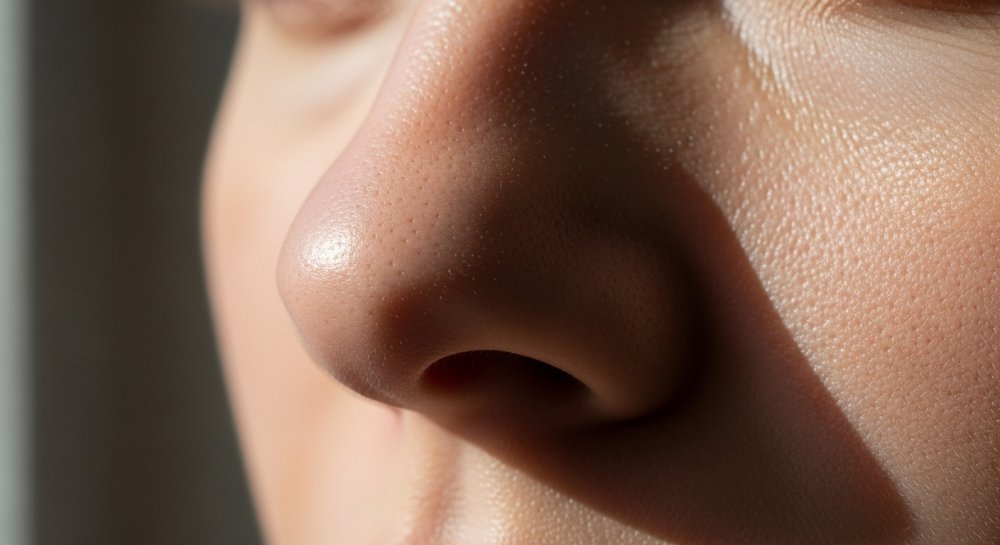
Those tiny dark spots on your nose or small white bumps on your forehead have a medical name that might surprise you: comedones. Understanding what they are can help you address them more effectively and maintain clearer, healthier skin as you age.
Comedones are simply clogged hair follicles — the most basic form of acne. When oil, dead skin cells, and other debris accumulate inside a pore, they create either a blackhead or a whitehead depending on whether the pore remains open or closed.
The dark appearance of blackheads isn’t dirt, as many people assume. It’s actually the result of oxidation — when the trapped material inside an open pore is exposed to air, it darkens naturally. Whiteheads, by contrast, form when the pore closes over the trapped material, creating a small white or flesh-colored bump beneath the skin’s surface.
Several factors contribute to comedone formation, and they’re not limited to teenagers. Excess sebum production ranks as the primary culprit, often triggered by hormonal fluctuations that can occur during menstruation, pregnancy, or perimenopause.
Certain cosmetic products, particularly heavy creams and oil-based makeup, can exacerbate the problem by adding additional material that clogs pores. Medications including corticosteroids and some birth control pills may also increase comedone development.
Dermatologists emphasize that proper treatment begins with understanding your skin type. Gentle cleansing twice daily removes excess oil without stripping the skin of necessary moisture — an important consideration for mature skin that may already be experiencing age-related dryness.
Topical retinoids remain the gold standard for treating comedones. These vitamin A derivatives work by increasing cell turnover and preventing dead skin cells from accumulating inside pores. Over-the-counter options include adapalene, while stronger prescription formulations may be necessary for persistent cases.
Salicylic acid, a beta hydroxy acid, offers another effective approach by penetrating oil-filled pores and dissolving the debris inside. Products containing this ingredient are widely available and can be particularly helpful for oilier skin types.
For stubborn comedones, professional extraction performed by a dermatologist or licensed esthetician provides safe removal without risking scarring or infection. At-home extraction attempts often push bacteria deeper into the skin, potentially creating inflammation and permanent damage.
Prevention strategies focus on maintaining consistent skincare habits. Non-comedogenic products — formulated specifically not to clog pores — should form the foundation of your routine. Regular exfoliation, whether chemical or physical, helps prevent the buildup that leads to comedone formation.
For those over 40, hormonal changes can trigger renewed comedone development even if you haven’t experienced acne in decades. Working with a dermatologist to address both the comedones and underlying hormonal factors often yields the best long-term results.
The key to managing comedones successfully lies in patience and consistency. Skin cell turnover slows with age, meaning treatments may take longer to show results than they would have in your younger years. Most dermatologists recommend giving any new treatment regimen at least 12 weeks before assessing its effectiveness.
While comedones rarely pose serious health concerns, they can affect confidence and quality of life. Modern dermatology offers numerous evidence-based solutions that can help you achieve clearer skin at any age, supporting both your physical health and emotional wellbeing.
