Nutrition
The Simple Step That Transforms Broccoli Into a Nutritional Powerhouse

Health Points
- Chopping broccoli and waiting 40 minutes before cooking activates sulforaphane, a powerful compound linked to reduced cancer risk and improved heart health
- This resting period increases sulforaphane levels by up to 2.8 times compared to immediate cooking
- Broccoli provides essential nutrients including vitamin C, fiber, and antioxidants that support healthy aging
A simple kitchen technique could dramatically increase the health benefits you receive from one of America’s most popular vegetables. The secret lies in what you do—or more accurately, what you don’t do—immediately after chopping broccoli.
According to nutrition experts, letting chopped broccoli rest for 40 minutes before cooking activates a remarkable nutritional transformation. This waiting period allows the vegetable to produce significantly higher levels of sulforaphane, a plant compound extensively studied for its potential to support cellular health and reduce disease risk.
Sulforaphane has garnered attention in scientific circles for its promising role in supporting the body’s natural defense systems. Research suggests this compound may help reduce oxidative stress and inflammation, two factors associated with chronic health conditions that become increasingly relevant as we age.
The science behind this technique centers on an enzyme called myrosinase, which naturally occurs in broccoli. When you chop or chew the vegetable, cell walls break down and myrosinase comes into contact with compounds called glucosinolates. This chemical reaction produces sulforaphane—but only if the enzyme remains active.
Heat from cooking deactivates myrosinase, which explains why raw broccoli contains more sulforaphane than cooked varieties. However, the 40-minute resting period represents a middle ground that allows maximum sulforaphane production while still enabling you to cook the vegetable to your preferred texture and taste.
Studies have documented the impressive nutritional boost this waiting period provides. Research published in the Journal of Agricultural and Food Chemistry found that chopped broccoli left to rest before cooking contained up to 2.8 times more sulforaphane than broccoli cooked immediately after cutting.
The health implications extend beyond sulforaphane production. Broccoli ranks among the most nutrient-dense vegetables available, offering substantial amounts of vitamin C, vitamin K, folate, and fiber—all nutrients that support healthy aging. A single cup of cooked broccoli provides more than 100% of the daily recommended vitamin C intake and nearly 250% of vitamin K requirements.
For those concerned about cancer prevention, the evidence supporting cruciferous vegetables like broccoli continues to accumulate. Multiple population studies have associated higher consumption of broccoli and related vegetables with reduced risk of several cancer types, though researchers note that no single food guarantees disease prevention.
The cardiovascular benefits deserve equal attention. Sulforaphane appears to support healthy blood vessel function and may help regulate cholesterol levels. For Americans over 40, when heart disease risk naturally increases, these protective effects become particularly valuable.
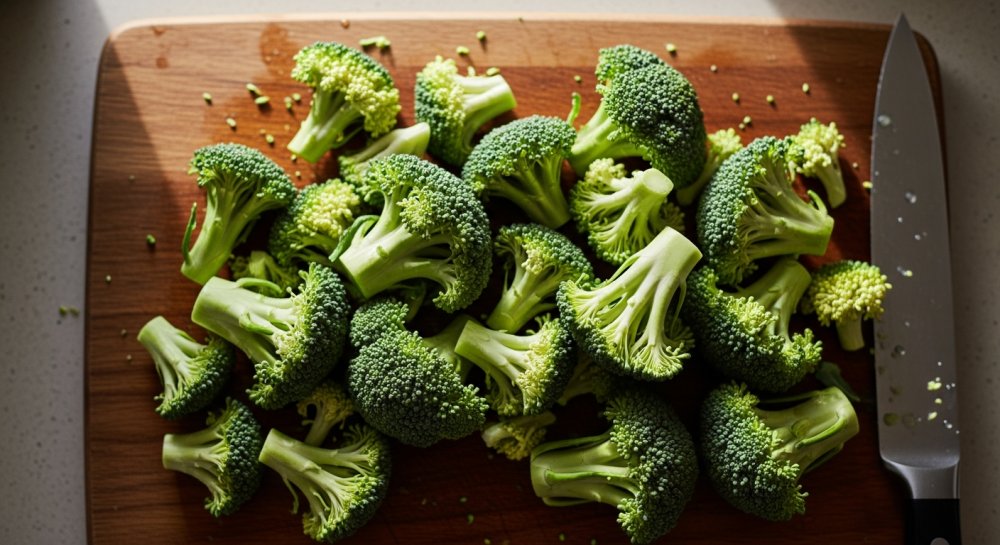
Implementing this technique requires minimal effort. After purchasing fresh broccoli heads, wash and chop them into florets of your desired size. Spread the chopped pieces on a cutting board or plate and simply let them sit at room temperature for 40 minutes before proceeding with your recipe.
This waiting period fits naturally into meal preparation routines. You can chop broccoli first, then focus on preparing other ingredients, marinating proteins, or setting the table. By the time you’re ready to cook, the broccoli will have completed its nutritional transformation.
Some cooking methods preserve more nutrients than others. Steaming and stir-frying maintain higher sulforaphane levels compared to boiling, which can leach water-soluble nutrients into cooking liquid. If you do boil broccoli, consider using that nutrient-rich water as a base for soups or sauces rather than discarding it.
For those who prefer raw broccoli, thorough chewing performs the same cell-breaking function as chopping, triggering sulforaphane production in your mouth and digestive system. Adding raw broccoli florets to salads or vegetable platters provides maximum nutrient retention, though some people find the texture and flavor more appealing after light cooking.
Nutritionists emphasize that while this technique optimizes broccoli’s benefits, eating the vegetable in any form beats avoiding it altogether. The perfect shouldn’t become the enemy of the good when it comes to vegetable consumption, particularly given that most Americans fall short of recommended daily servings.
Storage considerations also affect nutritional value. Fresh broccoli loses nutrients gradually during refrigeration, so purchasing it closer to consumption time preserves more vitamins and compounds. Look for firm florets with deep green or purple coloring and avoid yellowing heads, which indicate age and nutrient degradation.
Frozen broccoli presents an interesting alternative. While freezing does deactivate myrosinase, some frozen varieties are blanched so quickly after harvest that they retain surprisingly high nutrient levels. The convenience factor makes frozen options valuable for busy households committed to regular vegetable consumption.
This simple preparation technique reflects a broader principle in nutritional science: how we handle and prepare foods significantly impacts their health value. Small adjustments in the kitchen can yield meaningful improvements in the nutrients we absorb and utilize.
For Americans navigating the often-confusing landscape of health information, this recommendation offers refreshing clarity. It requires no special equipment, no expensive supplements, and no dramatic lifestyle overhaul—just a modest investment of time that costs nothing and delivers measurable benefits.
As research into plant compounds and human health continues advancing, techniques like this 40-minute rest period demonstrate how traditional foods can be optimized through evidence-based approaches. The wisdom of eating your vegetables, passed down through generations, now comes with scientific validation and practical enhancement.
Whether you’re managing existing health concerns or taking preventive steps to support long-term wellness, incorporating this broccoli preparation method represents a practical step toward better nutrition. In an era of complex dietary advice and competing health claims, such straightforward, science-backed strategies offer valuable guidance for those committed to healthful eating.
