Nutrition
These Four Foods Make Your Calcium Pills Actually Work

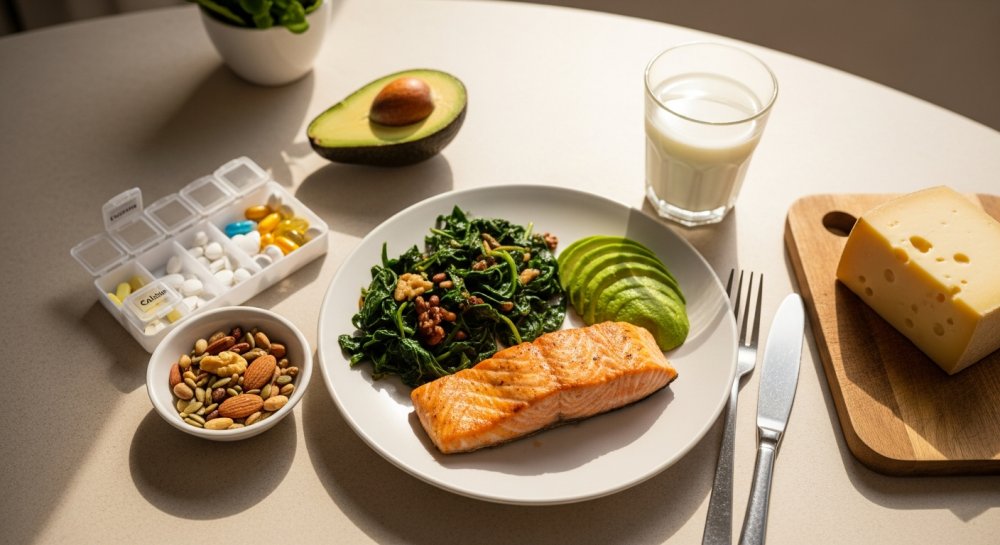
Health Points
- Calcium supplements require specific nutrients and conditions to be properly absorbed by the body
- Vitamin D, vitamin K2, magnesium, and healthy fats significantly enhance calcium absorption
- Taking calcium supplements without these nutritional partners may reduce their effectiveness by up to 70%
Millions of Americans take calcium supplements daily to protect their bones, but many don’t realize they’re missing a crucial step that could make those pills far more effective.
Calcium doesn’t work alone. Without the right nutritional partners, your body may absorb as little as 30% of the calcium from supplements, sending the rest straight through your system unused.
“Calcium absorption is a complex process that requires several cofactors to work efficiently,” explains registered dietitian Sarah Johnson, who specializes in bone health for adults over 40. “Simply popping a calcium pill without considering what else you’re eating is like trying to unlock a door without the right key.”
The good news: pairing your calcium supplement with four specific types of food can dramatically improve how much your bones actually receive.
Vitamin D-Rich Foods: The Essential Activator
Vitamin D stands as calcium’s most important partner. Without adequate vitamin D, your intestines can only absorb about 10-15% of dietary calcium.
Fatty fish like salmon, mackerel, and sardines provide substantial vitamin D alongside healthy omega-3 fatty acids. A 3-ounce serving of cooked salmon delivers roughly 570 IU of vitamin D—nearly the entire daily requirement for adults under 70.
Egg yolks, fortified milk, and mushrooms exposed to UV light also contribute meaningful amounts. Many nutrition experts recommend taking calcium supplements alongside breakfast that includes these foods.
“The vitamin D in these foods signals your intestinal cells to produce proteins that transport calcium across the gut wall,” Johnson notes. “Without that signal, calcium simply passes through.”
Vitamin K2-Containing Foods: The Traffic Director
While vitamin D helps calcium get into your bloodstream, vitamin K2 directs where it goes next—preferably into bones and teeth rather than soft tissues like arteries.
Fermented foods provide the richest sources of vitamin K2. Natto, a traditional Japanese fermented soybean dish, contains exceptionally high levels, though its strong flavor challenges Western palates.
More accessible options include aged cheeses (Gouda, Brie, cheddar), sauerkraut, and grass-fed butter. These foods contain menaquinone-7 (MK-7), the most bioavailable form of vitamin K2.
Research published in nutritional science journals suggests that adequate vitamin K2 intake reduces the risk of calcium deposits in blood vessels while strengthening bone mineral density—essentially ensuring calcium ends up in the right places.
Magnesium-Rich Foods: The Regulator
Magnesium activates vitamin D and regulates calcium transport into bones. Studies indicate that calcium supplementation without adequate magnesium may actually decrease bone strength.
Dark leafy greens like spinach, Swiss chard, and kale deliver both magnesium and calcium simultaneously. Nuts and seeds—particularly almonds, cashews, pumpkin seeds, and sunflower seeds—provide concentrated magnesium in convenient portions.
Whole grains, legumes, and avocados round out excellent magnesium sources. Most Americans consume insufficient magnesium, with estimates suggesting 50% of the population falls below recommended intake levels.
“I often see patients taking high-dose calcium supplements while their magnesium levels are depleted,” Johnson observes. “This imbalance can interfere with calcium metabolism and potentially contribute to other health issues.”
Healthy Fats: The Absorption Enhancers
Fat-soluble vitamins like D and K2 require dietary fat for optimal absorption. Taking calcium supplements with a fat-free meal significantly reduces the availability of these critical cofactors.
Olive oil, avocados, nuts, seeds, and fatty fish provide healthy unsaturated fats that support nutrient absorption without the cardiovascular concerns associated with saturated fats.
Even a small amount makes a difference. Adding a tablespoon of olive oil to a salad or including a quarter avocado with your meal creates the fat environment needed for vitamin absorption.
Timing and Combination Strategies
When you take calcium matters as much as what you take it with. Calcium carbonate, the most common supplement form, requires stomach acid for absorption and should be taken with meals.
Calcium citrate, the alternative form, absorbs well with or without food but costs more. Splitting your daily calcium dose into smaller amounts throughout the day improves absorption since the body can only process about 500 mg at once.
Avoid taking calcium supplements simultaneously with iron supplements, as they compete for absorption. Separate these by at least two hours when possible.
Coffee, tea, and high-sodium foods can increase calcium excretion, potentially reducing the net benefit of supplementation. While you don’t need to eliminate these entirely, awareness helps with timing decisions.
Food-First Philosophy
Nutrition experts consistently emphasize that food sources of calcium often come packaged with the cofactors needed for absorption. Dairy products naturally contain calcium, vitamin D (when fortified), vitamin K2 (especially in fermented products), and fat.
Leafy greens provide calcium alongside magnesium and vitamin K1, which the body can partially convert to K2. Sardines and canned salmon with bones deliver calcium, vitamin D, and omega-3 fats in a single serving.
“Whenever possible, I encourage patients to meet their calcium needs through varied, nutrient-dense foods rather than relying solely on supplements,” Johnson emphasizes. “Food provides a synergistic package of nutrients that work together in ways we’re still discovering.”
For those who do require supplementation due to dietary restrictions, medical conditions, or insufficient intake, combining calcium pills with these four food categories transforms them from marginally effective to genuinely beneficial.
The traditional approach of taking calcium supplements in isolation represents outdated thinking. Modern nutritional science reveals that bone health depends on a comprehensive network of nutrients working in concert.
By thoughtfully pairing calcium supplements with vitamin D-rich foods, vitamin K2 sources, magnesium-containing options, and healthy fats, adults can ensure their investment in bone health actually reaches its intended destination.
