Nutrition
Nine Savory Snacks a Dietitian Keeps in Her Own Kitchen

Health Points
- Savory snacks with protein and fiber help maintain stable blood sugar and sustained energy throughout the day
- Roasted chickpeas and edamame provide plant-based protein with heart-healthy benefits
- Choosing minimally processed options like vegetables with hummus supports digestive health and nutrient absorption
For many Americans over 40, snacking has earned an unfair reputation as a dietary pitfall. Yet registered dietitians emphasize that the right savory choices can actually support metabolism, energy levels, and nutritional goals as we age.
The key lies in selecting snacks that combine protein, healthy fats, and fiber—nutrients that become increasingly important for maintaining muscle mass and managing weight after 40. These nine dietitian-approved options deliver satisfying flavor without the blood sugar spikes that often accompany sweet treats.
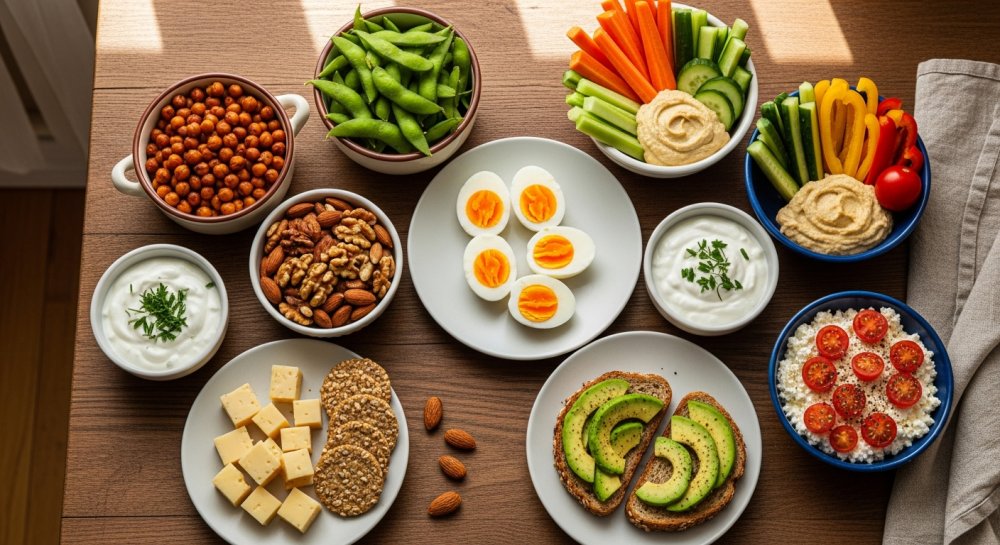
Roasted chickpeas top the list for good reason. A half-cup serving provides approximately 6 grams of protein and 5 grams of fiber, making them an excellent choice for sustained energy between meals. The legumes also contain resistant starch, which research suggests may support healthy gut bacteria and improve insulin sensitivity.
Edamame offers similar benefits with even more protein—about 9 grams per half cup when lightly salted. The young soybeans contain all nine essential amino acids, qualifying them as a complete protein source rarely found in plant-based foods.
Vegetables paired with hummus create a nutrient-dense combination that addresses multiple health priorities. Carrots, bell peppers, and cucumber provide vitamins and antioxidants, while the chickpea-based dip adds protein and healthy monounsaturated fats. A quarter-cup serving of hummus typically contains 4-6 grams of protein.
Hard-boiled eggs remain one of nature’s most efficient protein packages, delivering 6 grams of protein along with vitamin D, B vitamins, and choline—nutrients that support brain health and energy production. Preparing several eggs at the start of the week ensures a grab-and-go option that requires no additional prep time.
Nuts, particularly almonds and walnuts, provide omega-3 fatty acids linked to heart health and reduced inflammation. A one-ounce serving (about 23 almonds) contains 6 grams of protein and 3.5 grams of fiber. Portion control matters with nuts due to their calorie density, but their satiating combination of protein and fat helps many people avoid overeating later in the day.
Cheese paired with whole-grain crackers balances protein and complex carbohydrates. Choosing aged varieties like cheddar or parmesan adds calcium for bone health—particularly important for women navigating hormonal changes. Two ounces of cheese provides roughly 14 grams of protein.
Greek yogurt, though often sweetened with fruit, works equally well in savory applications. Plain varieties offer twice the protein of regular yogurt—approximately 15-20 grams per container—with significantly less sugar. Adding fresh herbs, cucumber, and a drizzle of olive oil creates a Mediterranean-inspired snack that supports both taste preferences and health goals.
Avocado toast on whole-grain bread delivers healthy monounsaturated fats that help the body absorb fat-soluble vitamins. The combination provides fiber from both the bread and avocado, while adding an egg increases the protein content substantially. This option functions as well for breakfast as it does for an afternoon snack.
Cottage cheese has experienced a resurgence in popularity, and for good reason. A half-cup serving contains 12-14 grams of protein along with calcium and probiotics that support digestive health. Pairing it with cherry tomatoes and everything bagel seasoning creates a satisfying savory option without added sugars.
The common thread among these choices is nutrient density—maximizing vitamins, minerals, protein, and fiber while minimizing empty calories. For adults managing energy levels, muscle maintenance, and metabolic health, these factors become increasingly relevant with each passing decade.
Nutrition experts recommend keeping several of these options readily available to avoid defaulting to less nutritious convenience foods when hunger strikes. Preparation strategies like washing vegetables in advance, portioning nuts into single servings, and keeping hard-boiled eggs on hand eliminate common barriers to healthy snacking.
The frequency and timing of snacks should align with individual needs. Some people thrive on three meals with one afternoon snack, while others prefer smaller, more frequent eating occasions. Blood sugar stability, energy levels, and hunger cues provide better guidance than rigid snacking schedules.
Traditional American values of self-sufficiency and personal responsibility extend to daily food choices. Taking time to plan and prepare nutritious snacks represents an investment in long-term health and vitality—qualities that enable us to serve our families, communities, and country more effectively.
By prioritizing whole foods and minimally processed options, these savory snacks support the kind of sustained wellness that allows Americans to remain active, engaged, and productive well into their later years.
