Nutrition
The Common Snack That Shields Your Heart From Disease

Health Points
- Sunflower seeds provide magnesium and vitamin E that support cardiovascular function and reduce inflammation
- A one-ounce serving delivers nearly half your daily vitamin E needs and significant amounts of selenium for immune protection
- The healthy fats and plant compounds in sunflower seeds may help lower cholesterol and stabilize blood sugar levels
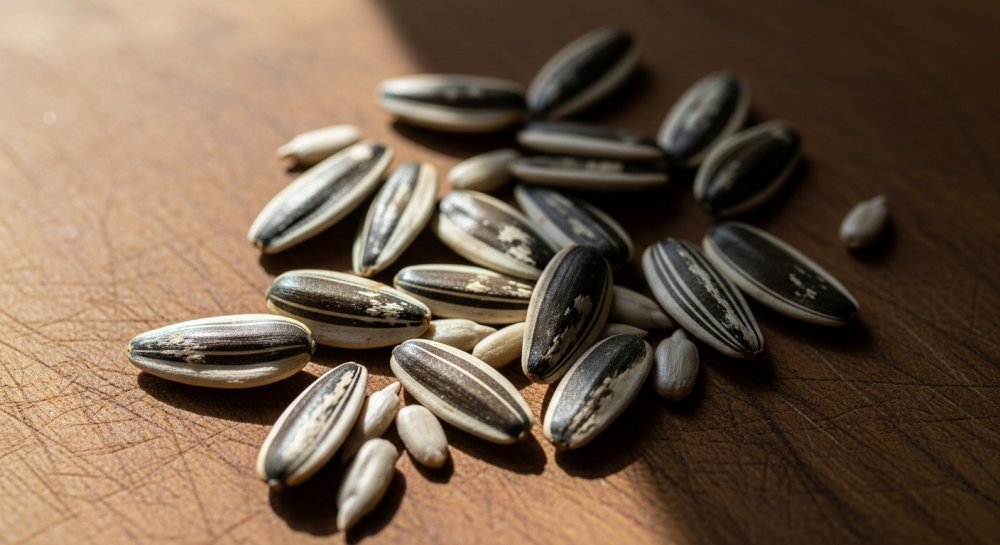
For Americans over 40 seeking to fortify their health through natural nutrition, a humble pantry staple deserves a closer look. Sunflower seeds pack an impressive array of nutrients that target two of the most critical health concerns for mature adults: heart disease and immune function.
These small seeds deliver outsized benefits, according to nutrition research. A single one-ounce serving contains nearly 50 percent of the daily recommended vitamin E, a powerful antioxidant that protects cells from damage and supports immune response.
The heart health advantages are equally compelling. Sunflower seeds provide substantial amounts of magnesium, a mineral that helps regulate blood pressure and supports proper heart rhythm. This nutrient combination addresses cardiovascular concerns that become increasingly important with age.
Beyond vitamins and minerals, sunflower seeds contain healthy unsaturated fats that may help reduce harmful LDL cholesterol levels. Research suggests these beneficial fats work alongside plant sterols naturally present in the seeds to support overall cholesterol management.
The selenium content in sunflower seeds offers another layer of immune protection. This trace mineral plays a vital role in antioxidant production and helps the body fight off infections—particularly valuable during cold and flu season.
For those managing blood sugar, sunflower seeds present additional advantages. The combination of protein, healthy fats, and fiber helps slow glucose absorption, potentially supporting more stable blood sugar levels throughout the day.
Incorporating sunflower seeds into your diet requires minimal effort. Add them to morning oatmeal, sprinkle over salads, or enjoy as a standalone snack. Choose unsalted varieties to avoid excess sodium, which can counteract cardiovascular benefits.
Moderation remains important, as sunflower seeds are calorie-dense. Nutritionists generally recommend limiting portions to one ounce—roughly a small handful—to gain benefits without excess calories.
The anti-inflammatory properties of vitamin E and other compounds in sunflower seeds may offer protection against chronic diseases linked to inflammation. This includes not only heart disease but also conditions affecting joint health and cognitive function.
While no single food serves as a cure-all, sunflower seeds represent a scientifically-backed addition to a health-conscious diet. Their nutrient density and versatility make them an accessible choice for adults committed to supporting their long-term wellness through informed nutritional decisions.
