Nutrition
The Truth About Sugar Substitutes That Won’t Derail Your Diet

Health Points
- Natural sweeteners like stevia and monk fruit offer zero-calorie options without affecting blood sugar levels
- Sugar alcohols provide sweetness with fewer calories but may cause digestive discomfort in some people
- Reading nutrition labels carefully helps identify hidden carbohydrates in sweetener products
For Americans over 40 seeking to reduce sugar intake while maintaining their favorite flavors, navigating the world of alternative sweeteners can feel overwhelming. Understanding which options truly support health goals—and which might undermine them—requires looking beyond marketing claims to examine how these products actually affect the body.
Traditional table sugar delivers approximately 4 calories per gram and causes rapid blood sugar spikes that can lead to energy crashes and increased hunger. Alternative sweeteners promise the pleasure of sweetness without these metabolic consequences, but not all substitutes deliver equal results.
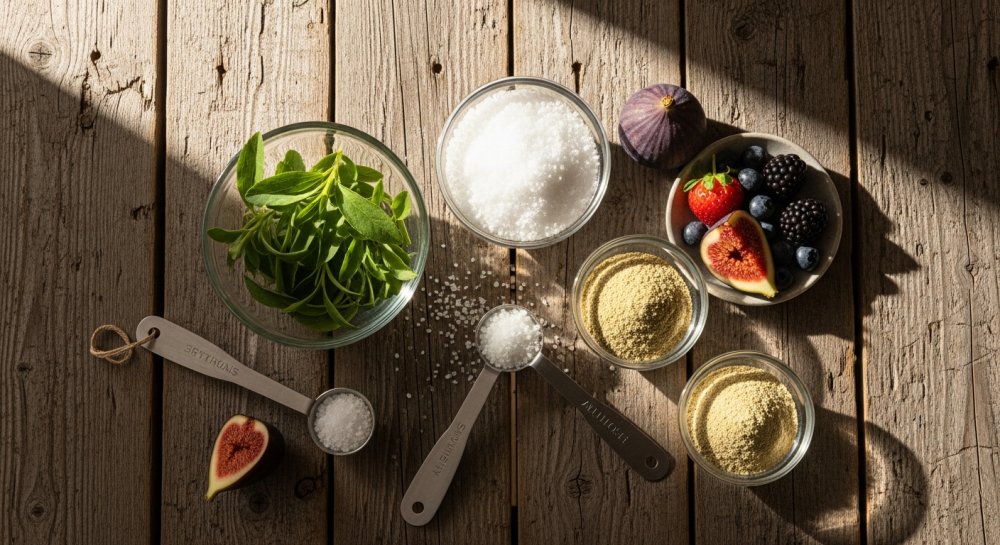
Natural plant-based sweeteners have gained significant traction among health-conscious consumers. Stevia, extracted from the leaves of the Stevia rebaudiana plant, provides intense sweetness with zero calories and no impact on blood glucose levels. Studies indicate stevia may even offer benefits for blood pressure management in certain populations.
Monk fruit sweetener, derived from a small melon native to Southeast Asia, delivers similar advantages. The fruit’s natural compounds called mogrosides provide sweetness 100-250 times greater than sugar without adding calories or carbohydrates. Both stevia and monk fruit maintain their sweetness when heated, making them suitable for baking and cooking.
Erythritol represents the most popular sugar alcohol option for those reducing carbohydrate intake. This naturally-occurring compound appears in some fruits and fermented foods. The body absorbs erythritol differently than sugar, resulting in minimal caloric impact—approximately 0.2 calories per gram compared to sugar’s 4 calories. Unlike other sugar alcohols, erythritol typically causes less digestive distress because the small intestine absorbs about 90% before it reaches the colon.
Allulose, a rare sugar found naturally in small quantities in wheat and figs, offers another promising alternative. This sweetener tastes and behaves remarkably similar to table sugar in recipes while providing only 0.4 calories per gram. Research suggests allulose may not significantly affect blood sugar or insulin levels, making it particularly appealing for those monitoring glucose.
The digestive system processes sugar alcohols differently than regular sugar, which explains both their benefits and potential drawbacks. While xylitol and maltitol provide fewer calories than sugar, consuming large amounts may trigger bloating, gas, or diarrhea in sensitive individuals. Starting with small quantities allows the body to adjust gradually.
Product labeling requires careful attention. Manufacturers sometimes combine sweeteners or add fillers that contribute carbohydrates. A product labeled “zero calorie” might contain dextrose or maltodextrin as bulking agents, which do affect blood sugar despite the primary sweetener being calorie-free.
Baking with alternative sweeteners demands adjustments to traditional recipes. Sugar contributes to browning, moisture retention, and texture in baked goods—functions that sweeteners alone may not replicate. Erythritol and allulose perform best in baking applications, though results may require experimentation with ratios and additional ingredients.
The human palate adapts over time to reduced sweetness. Many people who eliminate or significantly reduce sugar intake report that foods they once enjoyed taste overly sweet after several weeks of adjustment. This natural recalibration can reduce cravings for intensely sweet foods altogether.
Individual tolerance varies considerably. Some people experience no digestive issues with sugar alcohols while others notice discomfort from small amounts. Age-related changes in digestion may increase sensitivity, making it worthwhile to monitor personal responses rather than assuming universal compatibility.
Cost considerations matter for sustained use. Natural sweeteners like monk fruit and allulose typically command higher prices than conventional sugar or artificial sweeteners. However, their concentrated sweetness means smaller quantities achieve the desired effect, potentially offsetting the initial expense.
For those managing diabetes, prediabetes, or insulin resistance, consulting healthcare providers before making significant dietary changes ensures sweetener choices align with overall treatment plans. While many alternative sweeteners show promise for blood sugar management, individual medical conditions may require specific approaches.
The expanding market for sugar alternatives reflects growing awareness of sugar’s health implications. From supporting weight management goals to stabilizing energy levels throughout the day, choosing appropriate sweeteners can meaningfully contribute to wellness objectives for those entering their middle years and beyond.
