Health
The 11 Natural Supplements Cardiologists Say Can Support Healthy Blood Pressure

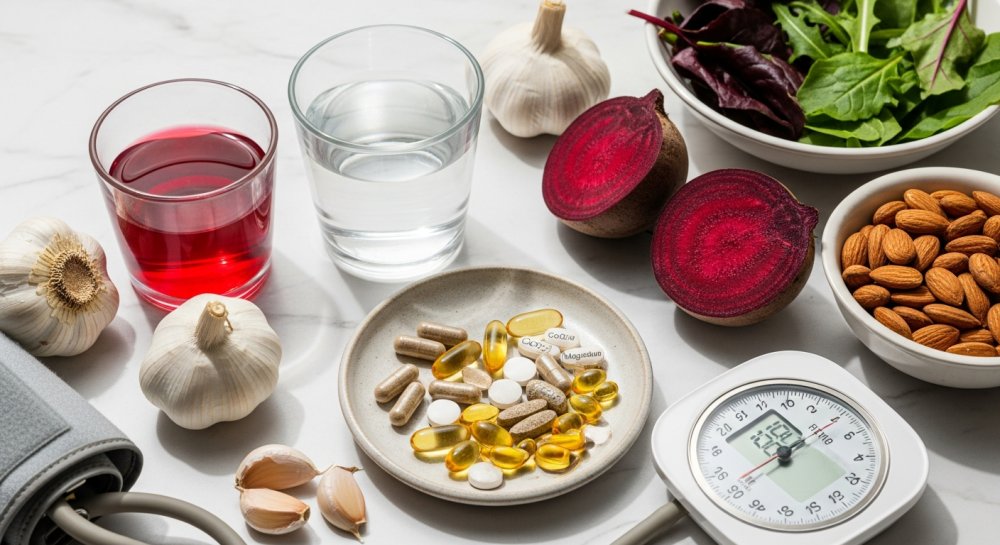
Health Points
- Research shows specific supplements including omega-3 fatty acids, magnesium, and potassium can support cardiovascular health when combined with lifestyle changes
- Medical experts emphasize supplements should complement—not replace—prescribed medications and healthy diet choices
- Natural compounds like CoQ10 and garlic extract show promising results in clinical studies for maintaining normal blood pressure levels
For the millions of Americans managing their cardiovascular health, the supplement aisle can feel overwhelming. But emerging research suggests certain natural compounds may offer meaningful support when used alongside traditional care.
High blood pressure affects nearly half of American adults, making it one of the nation’s most pressing health challenges. While medication and lifestyle changes remain the cornerstone of treatment, scientific evidence increasingly points to specific supplements that may provide additional support.
“We’re seeing more robust data showing that certain supplements can be beneficial adjuncts to standard care,” explains Dr. Sarah Mitchell, a preventive cardiologist. “The key is understanding which ones have real evidence behind them.”
Here are eleven supplements that medical research suggests may help support healthy blood pressure levels:
Omega-3 Fatty Acids
These essential fats, found abundantly in fish oil, have demonstrated consistent benefits in cardiovascular research. Clinical studies show omega-3s may help maintain the flexibility of blood vessel walls and support healthy circulation.
The American Heart Association recognizes the cardiovascular benefits of omega-3 fatty acids, particularly for individuals looking to support heart health naturally. Many cardiologists recommend doses between 1,000-2,000 mg daily for general cardiovascular support.
Magnesium
This essential mineral plays a crucial role in over 300 bodily processes, including blood vessel function. Research indicates that adequate magnesium intake supports the body’s natural ability to regulate blood pressure.
“Many Americans don’t get enough magnesium from diet alone,” notes Dr. Mitchell. “Supplementation can help bridge that gap.”
Studies suggest 300-400 mg daily may offer cardiovascular benefits, though individuals should consult their physician before starting supplementation.
Potassium
Long recognized for its role in cardiovascular health, potassium helps balance sodium levels in the body. This mineral supports the body’s natural mechanisms for maintaining healthy blood pressure.
While food sources like bananas, sweet potatoes, and leafy greens provide excellent potassium, supplements may benefit those with dietary restrictions. Medical supervision is essential, as potassium supplementation isn’t appropriate for everyone.
Coenzyme Q10 (CoQ10)
This naturally occurring compound supports cellular energy production throughout the body, including in heart muscle cells. Multiple studies have examined CoQ10’s potential to support cardiovascular function.
Research published in medical journals suggests doses of 100-200 mg daily may offer cardiovascular support. CoQ10 levels naturally decline with age, making supplementation particularly relevant for older adults.
Garlic Extract
Used medicinally for centuries, garlic has gained modern scientific validation for its cardiovascular properties. Aged garlic extract, in particular, has been studied for its potential to support healthy blood pressure.
“The research on garlic is quite compelling,” says Dr. Mitchell. “It appears to support the body’s production of nitric oxide, which helps blood vessels relax.”
Clinical trials typically use doses of 600-1,200 mg of aged garlic extract daily.
Hibiscus
This flowering plant, commonly consumed as tea, has emerged in research as a promising natural compound for cardiovascular support. Studies suggest hibiscus contains antioxidants that may benefit blood vessel health.
Research indicates that consuming hibiscus tea regularly—typically 1-2 cups daily—may support healthy blood pressure levels. The pleasant taste makes it an easy addition to daily routines.
L-Arginine
This amino acid serves as a building block for nitric oxide, a compound that helps blood vessels relax and maintain healthy circulation. The body produces L-arginine naturally, but supplementation may offer additional support.
Studies have explored doses ranging from 3-6 grams daily, though individuals should work with healthcare providers to determine appropriate amounts.
Vitamin D
Beyond its well-known role in bone health, vitamin D appears to influence cardiovascular function. Research suggests adequate vitamin D levels may support the body’s blood pressure regulation systems.
Many Americans have insufficient vitamin D levels, particularly those living in northern climates or spending limited time outdoors. Testing can determine individual needs, with supplementation tailored accordingly.
Calcium
While primarily associated with bone health, calcium also plays a role in blood vessel function and muscle contraction, including in the heart. Adequate calcium intake from diet or supplements may support cardiovascular health.
“We see the most benefit when calcium comes from food sources, but supplements can help those who can’t meet needs through diet,” explains Dr. Mitchell.
Hawthorn Extract
This traditional herbal remedy has been used in cardiovascular support for generations. Modern research has begun validating its potential benefits, with studies suggesting hawthorn may support healthy circulation and heart function.
Typical doses range from 160-900 mg daily, divided into multiple doses. As with all supplements, medical consultation is important before beginning use.
Beetroot Powder
Rich in naturally occurring nitrates, beetroot has gained attention for its potential cardiovascular benefits. The body converts these nitrates to nitric oxide, which supports healthy blood vessel function.
Studies suggest beetroot supplementation, typically 250-500 mg of concentrated powder daily, may offer cardiovascular support. Athletes have long used beetroot for performance, but its benefits extend to general cardiovascular health.
Important Considerations
While these supplements show promise in research, medical experts emphasize they should never replace prescribed medications or fundamental lifestyle changes. Diet, exercise, stress management, and adequate sleep remain the foundation of cardiovascular health.
“Supplements are exactly that—supplementary,” stresses Dr. Mitchell. “They work best as part of a comprehensive approach that includes all the basics we know support heart health.”
Quality matters significantly when selecting supplements. Look for products that have been third-party tested for purity and potency, bearing seals from organizations like USP or NSF International.
Interactions between supplements and medications can occur, making medical consultation essential before starting any new supplement regimen. This is particularly important for individuals taking blood pressure medications, blood thinners, or other prescription drugs.
Blood pressure monitoring remains crucial for anyone managing cardiovascular health. Regular check-ins with healthcare providers ensure that any approach—whether conventional, supplemental, or combined—is working effectively.
The growing body of research on natural supplements offers hope for those seeking additional tools to support their cardiovascular health. When used wisely and under medical guidance, these eleven supplements may provide meaningful support alongside proven lifestyle strategies and medical care.
