Nutrition
The Everyday Antioxidant Powerhouses Hiding in Your Kitchen

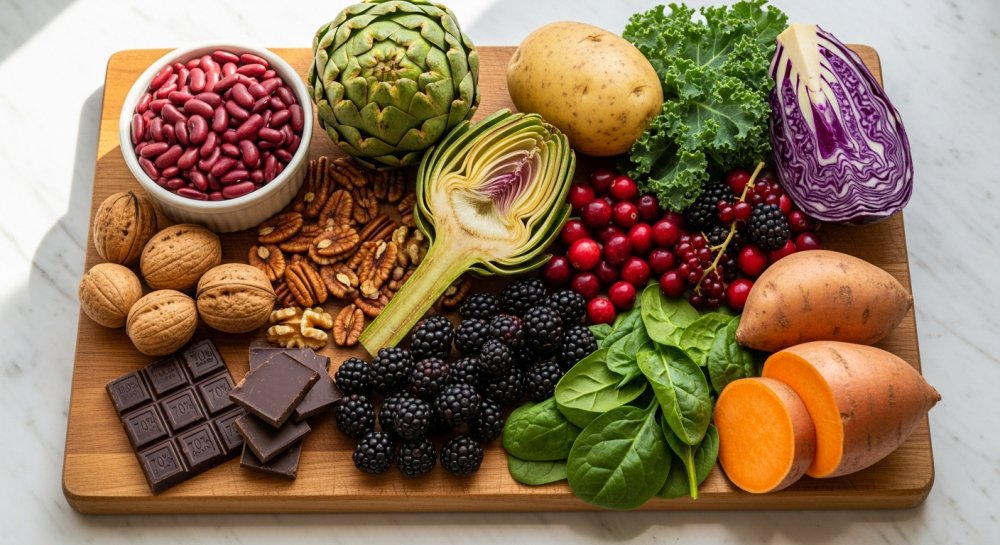
Health Points
- Antioxidants protect cells from damage caused by free radicals and may reduce inflammation linked to chronic diseases
- Common foods like beans, pecans, and artichokes contain antioxidant levels that rival or exceed exotic superfoods
- A varied diet rich in colorful fruits, vegetables, nuts, and whole grains provides comprehensive antioxidant protection without specialty supplements
While pomegranates have earned their reputation as antioxidant champions, nutrition experts say some of the most powerful disease-fighting foods are likely already sitting in your pantry. These everyday staples deliver impressive levels of protective compounds without the premium price tag or specialty store trip.
Antioxidants work by neutralizing harmful molecules called free radicals that damage cells and contribute to aging and disease. Research suggests adequate antioxidant intake may help reduce inflammation and lower the risk of conditions including heart disease, certain cancers, and cognitive decline.
According to registered dietitians, the key to maximizing antioxidant benefits lies not in chasing trendy superfoods but in building a varied, colorful diet from accessible whole foods.
Beans: The Overlooked Antioxidant Champions
Red kidney beans, pinto beans, and black beans rank among the highest antioxidant foods tested in research studies. A half-cup serving of red kidney beans contains more antioxidants than a cup of fresh cranberries.
These humble legumes provide polyphenols and flavonoids that combat oxidative stress. They’re also rich in fiber and protein, making them a nutritional powerhouse for overall health.
Nutrition experts recommend incorporating beans into meals at least three times weekly for optimal benefit.
Pecans and Walnuts Pack Antioxidant Punch
Among tree nuts, pecans contain the highest antioxidant content, followed closely by walnuts. Just one ounce of pecans delivers the same antioxidant protection as a serving of blueberries.
Walnuts offer the additional benefit of omega-3 fatty acids, which work synergistically with antioxidants to reduce inflammation. Research has linked regular nut consumption to improved heart health and better cognitive function in older adults.
A small handful daily—about one ounce—provides substantial benefits without excess calories.
Artichokes: Vegetable Antioxidant Leaders
Both globe artichokes and Jerusalem artichokes contain exceptional levels of antioxidants, particularly chlorogenic acid. This compound has demonstrated protective effects against oxidative damage in numerous studies.
A medium artichoke heart provides more antioxidants than most berries. The vegetable also delivers significant fiber and prebiotic compounds that support digestive health.
Fresh, frozen, and canned artichoke hearts all retain substantial antioxidant activity, making this nutritional powerhouse accessible year-round.
Dark Chocolate Delivers Health Benefits
High-quality dark chocolate with 70% or greater cocoa content contains impressive amounts of flavonoids, particularly epicatechin. These compounds support cardiovascular health by improving blood flow and reducing blood pressure.
Research published in cardiology journals has shown that regular dark chocolate consumption correlates with reduced heart disease risk. The key is choosing minimally processed varieties with limited added sugar.
One ounce daily provides benefits without undermining overall dietary quality.
Berries Beyond the Superfood Hype
While all berries contain antioxidants, elderberries, blackberries, and cranberries lead the pack. These fruits provide anthocyanins—the pigments responsible for their deep colors—which demonstrate powerful anti-inflammatory properties.
Frozen berries retain virtually all their antioxidant content and cost significantly less than fresh varieties. They blend seamlessly into smoothies, oatmeal, and yogurt.
Nutrition experts suggest eating a variety of berries rather than focusing on a single type to maximize the range of protective compounds consumed.
Russet Potatoes: Unexpected Antioxidant Source
Standard russet potatoes contain substantial antioxidants, particularly when the skin is consumed. The antioxidant content increases when potatoes are baked rather than boiled or fried.
One medium baked potato with skin provides more antioxidants than many vegetables marketed as superfoods. Potatoes also deliver potassium, vitamin C, and resistant starch that supports gut health.
The preparation method matters—roasting and baking preserve antioxidants better than high-heat frying.
Leafy Greens: Daily Antioxidant Foundation
Kale, spinach, and collard greens supply lutein and zeaxanthin, antioxidants specifically protective of eye health. These compounds accumulate in the retina and may reduce age-related macular degeneration risk.
Dark leafy greens also provide vitamin K, folate, and iron. Research consistently links regular consumption with reduced chronic disease risk across multiple conditions.
Both raw and cooked greens offer benefits, though cooking increases the bioavailability of certain antioxidants.
Coffee: America’s Top Antioxidant Source
For many Americans, coffee represents the single largest dietary source of antioxidants. The beverage contains chlorogenic acid and caffeic acid, which demonstrate protective effects in research studies.
Studies have associated moderate coffee consumption—three to four cups daily—with reduced risk of type 2 diabetes, certain cancers, and neurodegenerative diseases. The antioxidant content remains high in both regular and decaffeinated varieties.
Black coffee provides maximum antioxidant benefit without added calories from cream and sweeteners.
Red Cabbage: Budget-Friendly Antioxidant
Red cabbage contains significantly more antioxidants than its green counterpart, providing anthocyanins and vitamin C at minimal cost. The vegetable stores well and maintains its nutritional value for weeks when refrigerated.
Research has shown red cabbage compounds may help regulate blood sugar and support liver function. The cruciferous vegetable also provides compounds that demonstrate anti-cancer properties in laboratory studies.
Both raw and lightly cooked preparations preserve antioxidant content effectively.
Sweet Potatoes: Colorful Protection
Orange-fleshed sweet potatoes deliver beta-carotene, while purple varieties provide anthocyanins. Both types offer substantial antioxidant protection along with fiber and essential nutrients.
The deeper the color, the higher the antioxidant content. Purple sweet potatoes contain antioxidant levels comparable to blueberries on a per-weight basis.
Sweet potatoes also provide sustained energy through complex carbohydrates, making them ideal for active older adults.
Building an Antioxidant-Rich Diet
Nutrition experts emphasize that variety matters more than focusing on individual superfoods. Different antioxidants provide different protective benefits, so eating a wide range of colorful plant foods ensures comprehensive coverage.
A practical approach involves filling half your plate with fruits and vegetables at each meal, choosing whole grains over refined options, and including nuts, seeds, or legumes daily. This pattern naturally delivers abundant antioxidants without requiring expensive specialty items.
While supplements containing isolated antioxidants have shown disappointing results in research trials, whole foods provide antioxidants alongside fiber, vitamins, minerals, and other beneficial compounds that work together synergistically. The evidence consistently supports getting antioxidants from food rather than pills.
For adults over 40, maintaining high antioxidant intake through varied whole foods represents one of the most evidence-based dietary strategies for supporting long-term health and vitality.
