Health
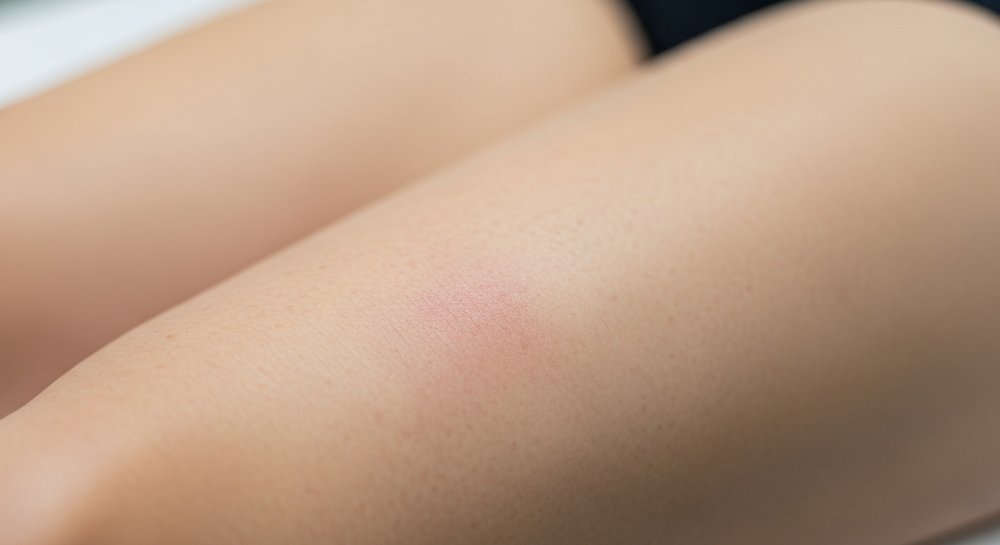
Why Your Inner Thigh Rash Might Be More Serious Than You Think

Health Points
- Inner thigh rashes can stem from various causes including fungal infections, friction, and allergic reactions that require different treatment approaches
- Jock itch and heat rash are among the most common culprits, particularly during warmer months or with increased physical activity
- Persistent or worsening rashes warrant medical evaluation to rule out conditions like eczema, psoriasis, or bacterial infections
That uncomfortable rash on your inner thigh isn’t just a minor annoyance — it could be signaling an underlying condition that needs attention. For Americans over 40, understanding the root cause of inner thigh irritation becomes increasingly important as skin changes with age and certain health conditions become more prevalent.
The delicate skin of the inner thigh is particularly vulnerable to irritation due to its location and the friction it experiences daily. Dermatologists note that this area creates the perfect environment for various skin conditions to develop, especially when moisture and warmth combine with constant movement.
Jock itch, medically known as tinea cruris, tops the list of common causes. This fungal infection thrives in warm, moist environments and affects millions of Americans each year. Despite its name suggesting it only affects athletes, anyone can develop this condition, particularly those who wear tight clothing or experience excessive sweating.
The telltale signs include a red, itchy rash that may have a ring-like appearance with raised edges. The infection often starts in the groin folds and can spread to the inner thighs if left untreated.
Heat rash represents another frequent cause, occurring when sweat ducts become blocked and trap perspiration beneath the skin. This condition becomes especially common during summer months or in humid climates. The rash typically appears as small red bumps or blisters and can cause significant discomfort and itching.
Contact dermatitis emerges when skin reacts to an irritant or allergen. Common triggers include harsh soaps, laundry detergents, fabric softeners, or materials in clothing. The rash may appear red, inflamed, and sometimes develop small blisters that weep or crust over.
Chafing from friction causes mechanical irritation that many active individuals experience. The repetitive rubbing of skin against skin or clothing breaks down the skin’s protective barrier, leading to rawness, redness, and sometimes bleeding. This becomes more problematic with age as skin loses elasticity and becomes more fragile.
Eczema, or atopic dermatitis, can affect the inner thighs with patches of dry, itchy, inflamed skin. This chronic condition often runs in families and may worsen with stress, weather changes, or exposure to certain triggers. The affected skin may appear thickened and darker than surrounding areas due to chronic scratching.
Psoriasis presents as raised, scaly patches that can develop in the groin and inner thigh region. This autoimmune condition causes rapid skin cell turnover, resulting in thick, silvery scales over red, inflamed skin. Inverse psoriasis, which affects skin folds, may appear smoother and more inflamed without the typical scales.
Yeast infections aren’t limited to other body areas — Candida can flourish in the warm, moist environment of the inner thighs. This fungal overgrowth creates a bright red rash with satellite lesions around the main affected area. People with diabetes or weakened immune systems face higher risk for developing yeast infections.
Bacterial infections like folliculitis occur when hair follicles become inflamed or infected. Small red bumps or white-headed pimples may develop around hair follicles, sometimes becoming painful or filled with pus. Improper shaving techniques or wearing tight clothing increases susceptibility.
Hidradenitis suppurativa represents a more serious chronic condition causing painful lumps under the skin in areas with sweat glands. These lumps may break open, leading to tunnels under the skin and scarring. This condition requires ongoing medical management and significantly impacts quality of life.
Age-related factors play an important role in inner thigh rash development. Thinning skin, decreased moisture retention, and changes in immune function can all contribute to increased vulnerability. Additionally, medications commonly prescribed to older adults may cause skin reactions or increase sensitivity to irritants.
Prevention strategies focus on keeping the area clean and dry. Wearing moisture-wicking, breathable fabrics helps reduce sweat accumulation. Applying anti-chafing products before exercise or extended walking can prevent friction-related irritation.
Maintaining proper hygiene without over-washing preserves the skin’s natural protective barrier. Using gentle, fragrance-free cleansers and thoroughly drying the area after bathing or swimming reduces risk of fungal and bacterial growth.
Weight management deserves consideration as excess weight can increase skin-to-skin friction and create more favorable conditions for rash development. Even modest weight loss can significantly reduce friction and improve skin health in the thigh area.
Treatment approaches vary depending on the underlying cause. Over-the-counter antifungal creams effectively treat jock itch and yeast infections when used as directed. Hydrocortisone cream may help with inflammatory conditions like contact dermatitis or mild eczema.
When to seek medical attention becomes crucial for proper diagnosis and treatment. Persistent rashes lasting more than two weeks, spreading rashes, signs of infection like increasing pain or pus, or rashes accompanied by fever warrant professional evaluation.
Healthcare providers can perform tests to identify specific causes and prescribe appropriate treatments. Prescription-strength antifungals, antibiotics, or topical steroids may be necessary for stubborn or severe cases.
Traditional values emphasize taking personal responsibility for health maintenance. Regular self-examination helps catch problems early when they’re most treatable. Maintaining good hygiene and modest dress that allows proper air circulation aligns with both health wisdom and traditional standards of propriety.
The economic impact of untreated skin conditions extends beyond discomfort. Lost work productivity, expensive treatments for advanced conditions, and reduced quality of life all carry significant costs. Early intervention and preventive care represent wise stewardship of both health and resources.
Understanding the various causes of inner thigh rashes empowers individuals to take appropriate action. While many cases resolve with simple home care, recognizing when professional help is needed prevents complications and ensures optimal outcomes for this common but often undertreated condition.
