Nutrition
The Muscle-Building Supplement That May Sharpen Your Mind After 40

Health Points
- Creatine supplementation enhances muscle strength and may improve cognitive function, especially in aging adults
- Research shows creatine can boost brain energy metabolism and potentially support memory and mental processing
- Experts recommend 3-5 grams daily, with most adults experiencing benefits within weeks of consistent use
For decades, creatine has been a staple in gym bags and workout routines, primarily known for building muscle mass and improving athletic performance. But emerging research suggests this well-studied supplement may offer benefits that extend far beyond the weight room—particularly for adults over 40 concerned about maintaining both physical and mental vitality.
Creatine is a naturally occurring compound found in muscle cells that helps produce energy during high-intensity exercise. While the body produces some creatine naturally and obtains more from meat and fish, supplementation can significantly increase the amount stored in muscles. This increased storage translates to improved performance during short bursts of intense activity, from lifting weights to sprinting.
“Creatine is one of the most researched supplements available, with hundreds of studies demonstrating its safety and effectiveness,” explains Dr. Marie Spano, a sports nutritionist who has worked with professional athletes for over two decades. “What’s particularly exciting is the growing body of evidence suggesting benefits for brain health and cognitive function.”
The connection between creatine and brain health stems from the organ’s high energy demands. The brain uses approximately 20% of the body’s total energy supply, and creatine plays a crucial role in maintaining cellular energy production. As we age, the brain’s energy metabolism can become less efficient, potentially contributing to cognitive decline.
Recent studies have explored creatine’s potential to support mental performance, particularly in situations involving mental fatigue or sleep deprivation. One research review published in a peer-reviewed nutrition journal found that creatine supplementation improved short-term memory and reasoning skills in healthy adults. Another study indicated benefits for mental processing speed, especially in older individuals.
“The brain contains significant amounts of creatine, and supplementation appears to increase brain creatine levels,” notes Dr. Scott Forbes, a researcher specializing in creatine metabolism at a Canadian university. “This may be particularly beneficial for aging adults, vegetarians who don’t consume creatine through meat, and anyone experiencing increased cognitive demands.”
For muscle and strength benefits, the evidence is even more robust. Creatine supplementation has consistently shown the ability to increase lean muscle mass, improve strength gains from resistance training, and enhance recovery between workout sessions. These effects become increasingly important after age 40, when natural muscle loss—known as sarcopenia—begins to accelerate.
“Maintaining muscle mass as we age is critical for metabolic health, bone density, and functional independence,” emphasizes Dr. Stu Phillips, a protein and muscle metabolism researcher. “Creatine, combined with resistance training, represents one of the most effective strategies for preserving muscle tissue.”
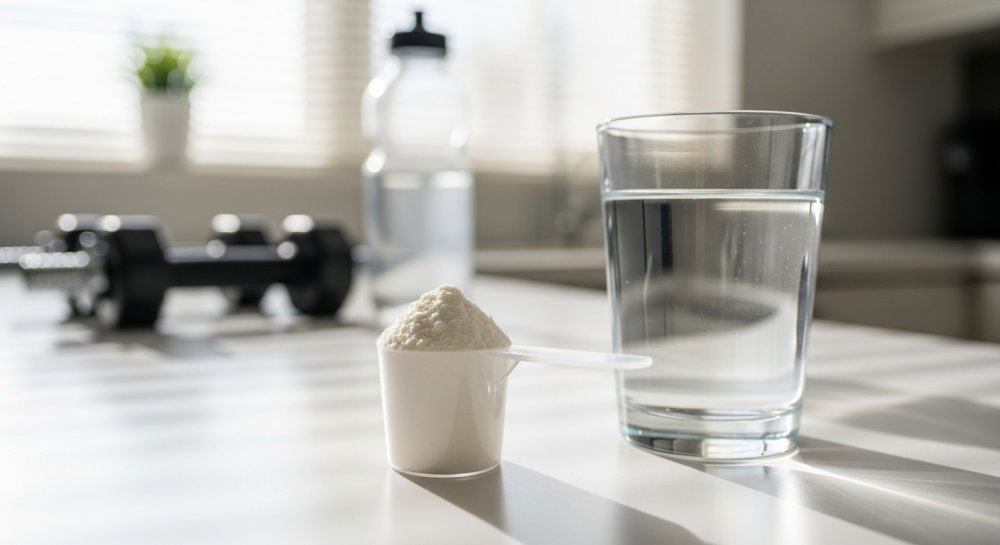
The standard recommended dose is 3-5 grams of creatine monohydrate daily, the most studied and cost-effective form of the supplement. Some protocols suggest a “loading phase” of 20 grams per day for 5-7 days to saturate muscles more quickly, followed by a maintenance dose, though this approach isn’t necessary for everyone.
Timing appears less critical than consistency. Whether taken before workouts, after exercise, or at any other time of day, the key is daily supplementation to maintain elevated creatine stores in muscles and potentially in the brain.
Safety concerns about creatine have largely been dispelled by extensive research. Early fears about kidney damage, dehydration, and cramping have not been supported by scientific evidence in healthy individuals taking recommended doses. The supplement has been safely used in studies lasting several years without adverse effects.
“Creatine is one of the safest supplements we have data on,” confirms Dr. Jose Antonio, who has published numerous studies on sports nutrition. “The myths about kidney problems stem from a misunderstanding of how creatine affects certain blood markers, not from actual kidney dysfunction.”
That said, individuals with pre-existing kidney conditions should consult healthcare providers before starting supplementation. Pregnant or nursing women should also seek medical guidance, as research in these populations is limited.
A common side effect is water retention within muscle cells, which can add 2-4 pounds of water weight. This isn’t fat gain and actually contributes to the muscle-building effects by creating a more anabolic cellular environment. Staying well-hydrated while supplementing can minimize any discomfort from this fluid shift.
Beyond muscle and cognitive benefits, preliminary research suggests creatine may support healthy aging in additional ways. Studies have explored potential benefits for bone density, glucose metabolism, and even mood regulation, though these areas require more research before definitive recommendations can be made.
For adults over 40 looking to maintain physical strength and mental sharpness, creatine represents a well-researched, affordable option with a strong safety profile. When combined with regular resistance training and a balanced diet rich in protein, the supplement may help counteract some of the natural declines associated with aging.
“We often focus on what we lose as we age, but there’s tremendous power in the interventions we can control,” reflects Dr. Spano. “Creatine supplementation, along with exercise and good nutrition, gives us tools to age with strength and vitality rather than simply accepting decline as inevitable.”
As with any supplement regimen, consulting with a healthcare provider is advisable, especially for those taking medications or managing chronic health conditions. But for most healthy adults, the combination of decades of research, proven benefits, and minimal risks makes creatine one of the most compelling supplements for supporting healthy aging from the inside out.
