Health
Dermatologists Share Their Best-Kept Secret for Clearing Stubborn Blemishes Fast

Health Points
- Hands-off approach is the single most important step in clearing pimples without scarring
- Over-the-counter treatments with benzoyl peroxide and salicylic acid can effectively reduce inflammation within 24-48 hours
- Ice therapy and proper moisturizing work together to calm irritated skin while preventing further breakouts
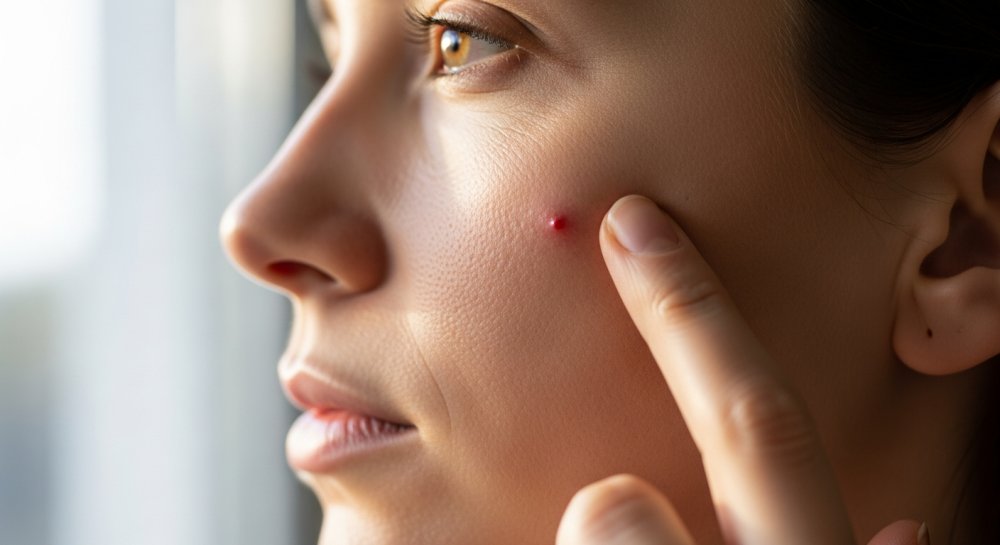
That unwelcome red bump that appears before an important meeting or special event has plagued people of all ages, but dermatologists say the natural impulse to squeeze or pick often makes matters worse. The good news is that proven methods exist to address blemishes quickly and safely, without risking permanent skin damage.
Dr. Joshua Zeichner, director of cosmetic and clinical research in dermatology at Mount Sinai Hospital in New York City, emphasizes the importance of restraint when it comes to facial blemishes.
“The worst thing you can do is pick at a pimple, as this can lead to permanent scarring and discoloration.”
The science behind effective pimple treatment starts with understanding what’s happening beneath the skin’s surface. When pores become blocked with oil, dead skin cells, and bacteria, inflammation occurs. This triggers the body’s immune response, creating the visible redness and swelling we recognize as a pimple.
For immediate relief, dermatologists recommend applying ice wrapped in a clean cloth for 5-10 minute intervals. The cold temperature reduces blood flow to the area, minimizing swelling and redness. This simple technique can make a noticeable difference within hours, particularly for those painful, under-the-skin bumps.
Over-the-counter spot treatments containing benzoyl peroxide or salicylic acid remain the gold standard for at-home care. Benzoyl peroxide works by killing acne-causing bacteria and reducing inflammation. Salicylic acid, on the other hand, helps unclog pores by dissolving the debris blocking them.
Dr. Debra Jaliman, a board-certified dermatologist and assistant professor at the Icahn School of Medicine at Mount Sinai, recommends starting with lower concentrations to avoid irritation.
“A 2.5% benzoyl peroxide treatment can be just as effective as higher concentrations, with less risk of dryness and peeling.”
The application technique matters as much as the product itself. After cleansing the face with a gentle, non-comedogenic cleanser, pat the skin completely dry. Apply a thin layer of treatment directly to the blemish, avoiding the surrounding skin. Following up with an oil-free moisturizer prevents the over-drying that can actually trigger more oil production and additional breakouts.
For those dealing with a whitehead that’s already come to a head, some dermatologists suggest the careful use of a warm compress. Soak a clean washcloth in warm water, wring it out, and hold it against the blemish for a few minutes. This can help the pimple drain naturally without manual extraction.
However, manual extraction should generally be left to professionals. Board-certified dermatologists and trained estheticians have the proper tools and techniques to remove blemishes without causing trauma to surrounding tissue. They can also provide cortisone injections for particularly stubborn or painful cysts, which can reduce inflammation within 24 hours.
Hydrocolloid patches have gained popularity in recent years as an effective overnight treatment. These adhesive patches absorb fluid from the pimple while protecting it from bacteria and preventing picking. Many users report significant improvement after just one night of wear.
Prevention remains the most effective long-term strategy. Establishing a consistent skincare routine with gentle cleansing morning and night, using non-comedogenic products, and regularly changing pillowcases can significantly reduce breakout frequency. Those over 40 may need to adjust their approach, as hormonal changes can affect skin differently than in younger years.
Dr. Marisa Garshick, a board-certified dermatologist in New York City, notes the importance of patience when treating blemishes.
“While we all want immediate results, most treatments need at least 24 to 48 hours to show visible improvement. Consistency is key.”
For persistent acne that doesn’t respond to over-the-counter treatments, seeking professional help is advisable. Prescription-strength retinoids, oral antibiotics, or hormonal treatments may be necessary for chronic cases. These options can provide long-term solutions that over-the-counter products simply cannot match.
Makeup users should opt for non-comedogenic, oil-free formulas to avoid clogging pores further. While it’s tempting to cover blemishes with heavy concealer, lighter coverage that allows skin to breathe promotes faster healing. Some medicated concealers now combine coverage with acne-fighting ingredients like salicylic acid.
Diet and lifestyle factors also play a role in skin health. Staying hydrated, managing stress levels, and getting adequate sleep all contribute to clearer skin. While the connection between specific foods and acne remains debated, some people find that reducing dairy or high-glycemic foods improves their complexion.
The bottom line, according to skin care experts, is that treating pimples effectively requires a combination of the right products, proper technique, and patience. Resisting the urge to pick or squeeze, using targeted treatments, and maintaining a consistent skincare routine will deliver the best results without risking long-term damage to skin that becomes more delicate with age.
