Movement
The Simple Truth About Building Stronger Legs After 40

Health Points
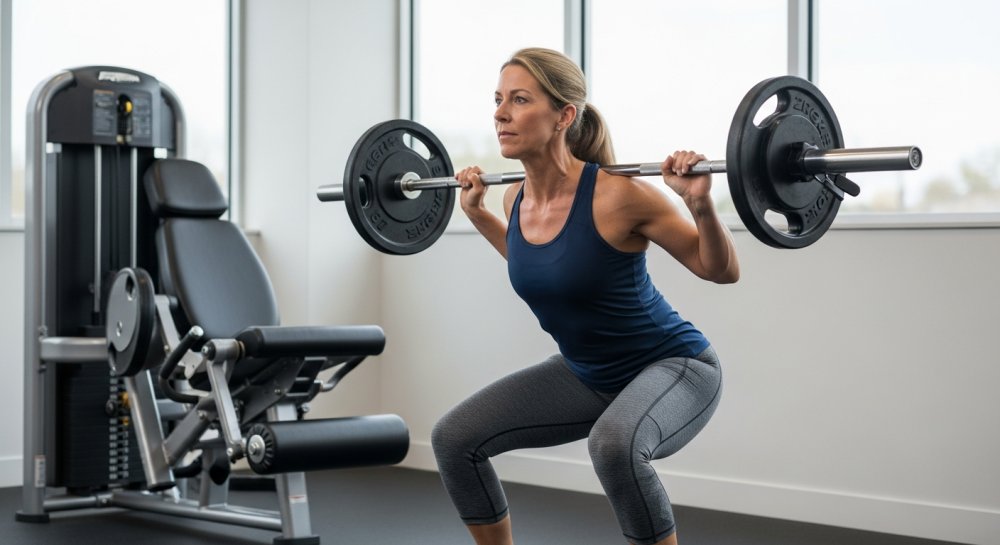
- Back squats engage multiple muscle groups including glutes, hamstrings, and core, making them superior for overall lower body strength and functional fitness
- Leg extensions isolate the quadriceps but provide limited real-world movement benefits and may increase knee stress when performed incorrectly
- For adults over 40, proper squat form with appropriate weight helps maintain bone density, balance, and independence in daily activities
When it comes to building leg strength as we age, two exercises dominate gym conversations: back squats and leg extensions. But for those of us navigating fitness after 40, choosing the right movement can make all the difference between sustainable strength gains and unnecessary joint stress.
Back squats have earned their reputation as the gold standard for lower body training. This compound movement recruits your glutes, hamstrings, quadriceps, and core muscles simultaneously, mimicking natural movement patterns we use daily—like standing up from a chair or lifting groceries from the floor.
“The back squat is one of the most functional exercises you can do,” says Dr. Michael Jenkins, a sports medicine physician specializing in age-related fitness. “It builds strength in the exact patterns your body needs for independence and injury prevention as you age.”
The benefits extend beyond muscle building. Squats place healthy stress on bones, stimulating density increases that help combat age-related bone loss. They also improve balance and coordination—critical factors for fall prevention in older adults.
Leg extensions, by contrast, isolate the quadriceps muscles on the front of your thigh. Performed on a seated machine, this exercise involves extending your knees against resistance while your hips remain stationary. While this targeted approach appeals to those seeking defined quads, it comes with limitations.
The isolated nature of leg extensions means you’re missing out on the comprehensive strength development that compound movements provide. Your glutes, hamstrings, and stabilizing muscles remain largely uninvolved—a significant drawback for functional fitness.
“When you only train muscles in isolation, you’re not preparing your body for real-world movements,” explains Jennifer Martinez, a certified strength and conditioning specialist with over 15 years of experience training mature adults. “Life doesn’t happen on a machine.”
Knee health presents another consideration. Leg extensions create shearing forces across the knee joint, particularly when performed with heavy weights or poor form. For individuals with existing knee concerns or arthritis—increasingly common after 40—this stress can aggravate symptoms.
Back squats, when performed with proper technique and appropriate depth, actually distribute forces more evenly across the hip, knee, and ankle joints. This balanced loading can strengthen the connective tissues supporting these joints over time.
That said, leg extensions aren’t entirely without merit. Physical therapists sometimes prescribe them during rehabilitation from knee injuries, as the controlled environment allows targeted strengthening without full weight-bearing stress. They can also serve as a finishing exercise after compound movements for those seeking additional quadriceps work.
For beginners or those with mobility limitations, starting with bodyweight squats, box squats, or goblet squats provides a gentler entry point than jumping straight into barbell back squats. These variations teach proper movement patterns while building foundational strength.
“The most important thing is starting where you are and progressing gradually,” notes Dr. Sarah Thompson, a physical therapist specializing in geriatric fitness. “Even partial squats with good form beat perfect form on an exercise you’re not ready for.”
Proper squat technique involves keeping your chest up, core engaged, and knees tracking over your toes. Your weight should remain distributed through your midfoot, and depth should match your current mobility—even a quarter squat provides benefits if that’s your current safe range.
The frequency and intensity of your leg training should reflect your recovery capacity, which naturally changes with age. Two to three leg sessions per week, with at least one rest day between, allows adequate recovery time. Prioritizing form over ego lifting protects joints while still challenging muscles.
Programming both exercises strategically can work for some individuals. Starting your workout with squats while energy and focus are highest, then finishing with lighter leg extensions for additional volume, combines functional strength with targeted muscle work.
However, if time or energy limits force a choice, squats deliver more comprehensive benefits. They build strength that translates directly to daily activities, support bone health, improve balance, and engage your cardiovascular system more thoroughly than isolated movements.
For those concerned about learning proper squat technique, working with a qualified trainer for even a few sessions can provide invaluable guidance. Many gyms also offer group strength classes specifically designed for mature adults, creating supportive environments for learning fundamental movement patterns.
The bottom line? While leg extensions have their place in specific contexts, back squats reign supreme for building the kind of strength that keeps you independent, active, and resilient as you age. Focus on mastering this foundational movement, and your legs—and your future self—will thank you.
