Nutrition
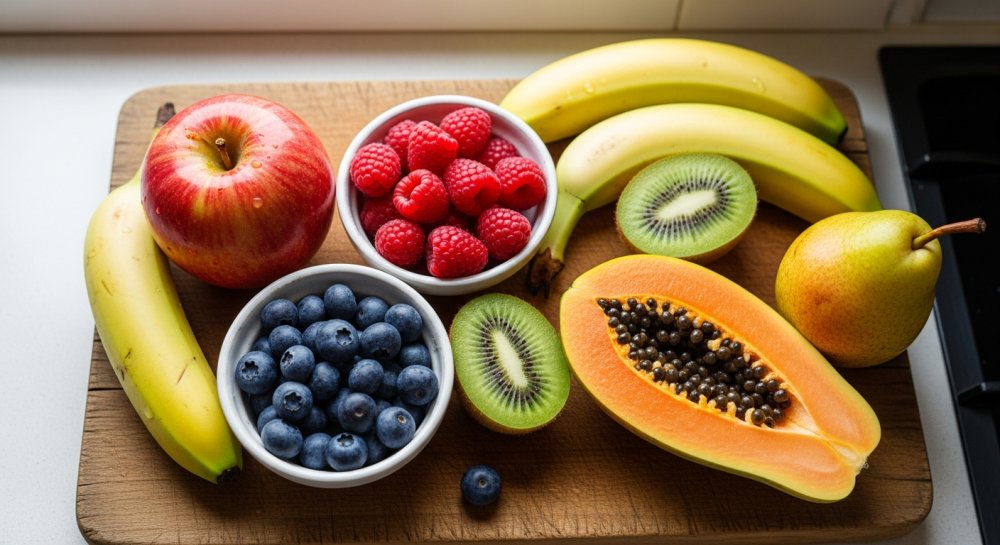
Six Surprising Fruits That Transform Your Digestive Health

Health Points
- Six specific fruits provide exceptional fiber, prebiotics, and polyphenols that support beneficial gut bacteria
- Whole fruits deliver superior digestive benefits compared to juices, which lack essential fiber content
- Regular consumption of these fruits can reduce inflammation, improve regularity, and strengthen the gut microbiome
For Americans over 40 seeking natural ways to improve digestive wellness, the solution may be as simple as adding the right fruits to your daily routine. New research confirms that certain fruits stand out for their remarkable ability to support gut health through powerful combinations of fiber, prebiotics, and beneficial plant compounds.
The gut microbiome—the trillions of bacteria living in our digestive tract—plays a crucial role in everything from nutrient absorption to immune function. As we age, maintaining this delicate ecosystem becomes increasingly important for overall health and vitality.
Apples: Nature’s Prebiotic Powerhouse
The old saying about keeping the doctor away holds scientific merit. Apples contain pectin, a type of soluble fiber that acts as a prebiotic, feeding beneficial bacteria in the gut. One medium apple provides approximately 4 grams of fiber—about 14% of the daily recommended intake.
The key is eating the whole apple, including the skin where much of the fiber resides. Apple juice, by contrast, offers minimal digestive benefits since the juicing process removes the beneficial fiber.
Berries: Antioxidant-Rich Digestive Allies
Blueberries, strawberries, raspberries, and blackberries rank among the most beneficial fruits for gut health. These colorful fruits pack exceptional amounts of fiber—raspberries lead with 8 grams per cup—along with polyphenols that reduce inflammation in the digestive tract.
Research shows that regular berry consumption supports the growth of beneficial bacteria species while helping to maintain the protective mucus layer of the intestinal wall. Fresh or frozen berries provide equal benefits, making them accessible year-round.
Kiwifruit: The Underestimated Digestive Champion
This fuzzy fruit deserves more attention for its digestive properties. Kiwifruit contains actinidin, a natural enzyme that aids protein digestion, along with both soluble and insoluble fiber that promotes regular bowel movements.
Studies indicate that consuming two kiwifruit daily can significantly improve symptoms of constipation and irritable bowel syndrome. The entire fruit is edible, including the nutrient-dense skin, though many prefer to peel it.
Bananas: Resistant Starch for Gut Bacteria
Slightly green bananas provide resistant starch, a unique type of carbohydrate that bypasses digestion in the small intestine and feeds beneficial bacteria in the colon. As bananas ripen, this resistant starch converts to simple sugars, so choosing less-ripe bananas maximizes gut health benefits.
Bananas also contain pectin and fructooligosaccharides, both of which support healthy digestion and regular bowel function. One medium banana provides about 3 grams of fiber.
Papaya: Enzyme-Powered Digestion Support
This tropical fruit contains papain, a powerful digestive enzyme that breaks down proteins and may ease digestive discomfort. Papaya also provides significant fiber and antioxidants that reduce inflammation throughout the digestive system.
For those experiencing occasional digestive upset or bloating, fresh papaya can offer natural relief. The fruit is best consumed ripe when its enzyme content is highest.
Pears: Fiber Champions with Gentle Effects
A single medium pear contains about 6 grams of fiber—nearly a quarter of the daily recommended intake. This fiber combination helps regulate bowel movements without causing digestive distress, making pears particularly suitable for those with sensitive systems.
Pears also contain sorbitol, a natural sugar alcohol that draws water into the intestines and promotes regularity. Like apples, the skin contains much of the fiber, so eating pears whole maximizes their benefits.
How to Incorporate These Fruits Effectively
Nutrition experts recommend eating whole fruits rather than drinking fruit juices, which lack the fiber essential for gut health. Adding a variety of these six fruits throughout the week provides diverse nutrients and supports different beneficial bacteria species.
For optimal digestive benefits, aim for 25-30 grams of total daily fiber from a combination of fruits, vegetables, whole grains, and legumes. Gradually increasing fruit intake allows the digestive system to adjust without discomfort.
Pairing fruits with protein or healthy fats—such as apples with almond butter or berries with Greek yogurt—can slow digestion and provide sustained energy while still delivering gut health benefits.
Timing and Preparation Considerations
Some individuals find that eating fruit on an empty stomach or between meals minimizes digestive discomfort, though this varies by person. Those with specific digestive conditions should consult healthcare providers about optimal fruit consumption timing and quantities.
Washing fruits thoroughly removes pesticide residues and surface bacteria. Organic options may be preferable for fruits typically consumed with the skin, such as apples and pears.
The connection between gut health and overall wellness continues to gain scientific support. By choosing fruits specifically known to support digestive function, Americans can take practical steps toward better health through simple, natural dietary choices.
