Nutrition
The Protein Showdown Between Beans and Chickpeas Has a Surprising Winner

Health Points
- Both beans and chickpeas deliver substantial plant-based protein, with black beans containing slightly more protein per cup than chickpeas
- Chickpeas provide higher levels of certain minerals including iron and folate, making them particularly valuable for specific nutritional needs
- Incorporating either legume into your regular diet supports heart health, digestive wellness, and stable blood sugar levels
For anyone seeking to boost their protein intake through plant-based sources, the choice between beans and chickpeas might seem trivial. Yet nutritional science reveals meaningful differences that could influence your grocery list—and your health outcomes.
Both legumes have earned their reputation as nutritional powerhouses, delivering fiber, vitamins, and minerals alongside their protein content. Understanding their distinct nutritional profiles helps you make informed choices aligned with your wellness goals.
The Protein Comparison
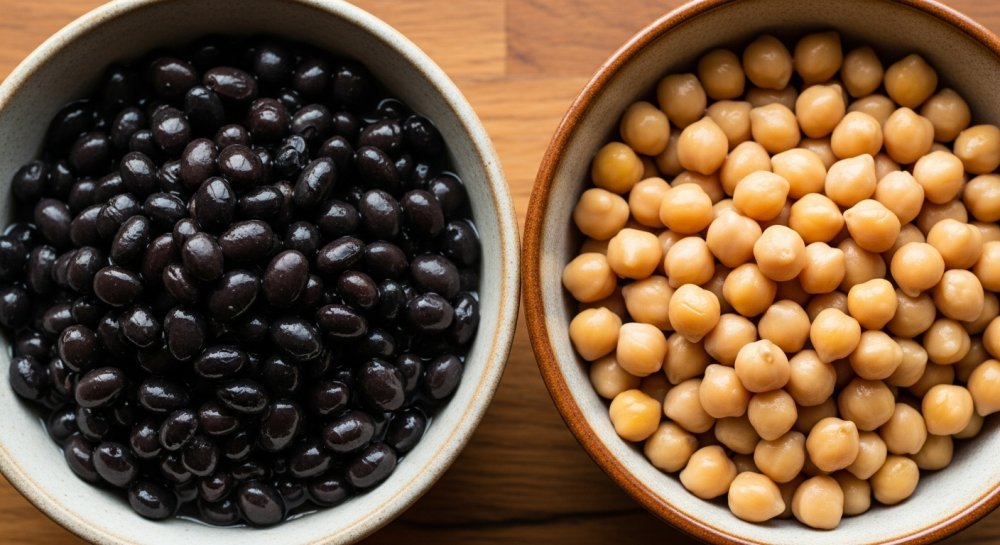
When examining protein content, beans generally edge out chickpeas by a modest margin. A cup of cooked black beans provides approximately 15 grams of protein, while the same amount of chickpeas delivers about 12 grams. The difference isn’t dramatic, but it matters for those carefully tracking their protein intake.
Registered dietitians emphasize that both options qualify as excellent protein sources, particularly for individuals following plant-based eating patterns or simply looking to diversify their protein sources beyond meat.
“Both beans and chickpeas are complete enough protein sources that they can absolutely meet your daily needs when consumed as part of a varied diet,” explains nutritionist Sarah Thompson, who specializes in plant-based nutrition.
Beyond Protein: The Nutritional Landscape
The protein comparison tells only part of the story. Chickpeas distinguish themselves with higher iron content—essential for oxygen transport throughout your body and particularly important for women of childbearing age. A cup of chickpeas contains nearly 5 milligrams of iron compared to roughly 3.6 milligrams in black beans.
Folate represents another area where chickpeas shine, providing approximately 282 micrograms per cup versus 256 micrograms in black beans. This B vitamin plays a critical role in cell division and DNA synthesis, making it especially vital during pregnancy.
Beans counter with advantages of their own. Black beans contain more magnesium—a mineral involved in over 300 enzymatic reactions in your body, including muscle and nerve function. They also provide slightly more fiber, supporting digestive health and promoting feelings of fullness that can aid weight management efforts.
Practical Considerations for Your Diet
The versatility of both legumes makes them practical additions to any meal plan. Beans work beautifully in soups, stews, and traditional comfort foods, while chickpeas adapt readily to both Mediterranean and Middle Eastern cuisines, from hummus to roasted snacks.
Cost-effectiveness represents another shared advantage. Both dried and canned versions remain budget-friendly protein sources, with dried legumes offering the best value for families watching their grocery spending. A single pound of dried beans or chickpeas yields multiple servings at a fraction of the cost of animal proteins.
“I tell my clients not to overthink this choice,” Thompson notes. “The best legume is the one you’ll actually eat regularly. Both deliver tremendous nutritional value.”
Health Benefits Backed by Research
Scientific evidence supports the health benefits of regular legume consumption. Studies consistently link bean and chickpea intake to improved cardiovascular health, with their soluble fiber helping to reduce LDL cholesterol levels. The low glycemic index of both legumes makes them valuable for blood sugar management, particularly for individuals with diabetes or prediabetes.
The fiber content—both beans and chickpeas contain roughly 12-15 grams per cup—promotes digestive regularity and supports a healthy gut microbiome. This fiber also contributes to satiety, making these legumes helpful allies for those managing their weight.
Antioxidant compounds found in both legumes help combat oxidative stress, potentially reducing inflammation throughout the body. These protective effects may contribute to reduced risk of chronic diseases when legumes replace less nutritious protein sources.
Making the Choice Work for You
Rather than selecting one legume exclusively, nutritionists recommend rotating between different varieties. This approach maximizes nutritional diversity while preventing taste fatigue. Black beans, kidney beans, chickpeas, and lentils each offer slightly different nutrient profiles, and variety ensures you benefit from the full spectrum.
Preparation methods influence both nutritional value and digestibility. Soaking dried legumes before cooking reduces compounds that can cause digestive discomfort. Rinsing canned varieties removes excess sodium—an important step for those monitoring salt intake.
For individuals new to plant-based eating, introducing legumes gradually allows your digestive system to adapt to increased fiber intake. Starting with smaller portions and increasing over time minimizes potential digestive discomfort.
The traditional wisdom of combining beans or chickpeas with whole grains—think rice and beans or hummus with whole wheat pita—creates complementary amino acid profiles that enhance overall protein quality. While not necessary at every meal, this pairing maximizes the nutritional value of plant proteins.
Whether you choose beans, chickpeas, or embrace both, you’re making a choice that supports your health. These humble legumes deliver exceptional nutrition at minimal cost, proving that wholesome eating doesn’t require expensive superfoods or complicated meal plans.
