Nutrition
The Truth About Clean Eating That Health Experts Want You to Know

Health Points
- Clean eating prioritizes whole, minimally processed foods while limiting refined ingredients and additives
- Experts warn against overly restrictive interpretations that can lead to nutritional deficiencies or disordered eating patterns
- A balanced approach focusing on nutrient-dense foods rather than strict rules supports long-term health and wellness
The term “clean eating” has become ubiquitous in wellness circles, plastered across social media feeds and diet book covers. Yet despite its popularity, the phrase remains frustratingly vague, with definitions varying wildly depending on who’s doing the talking.
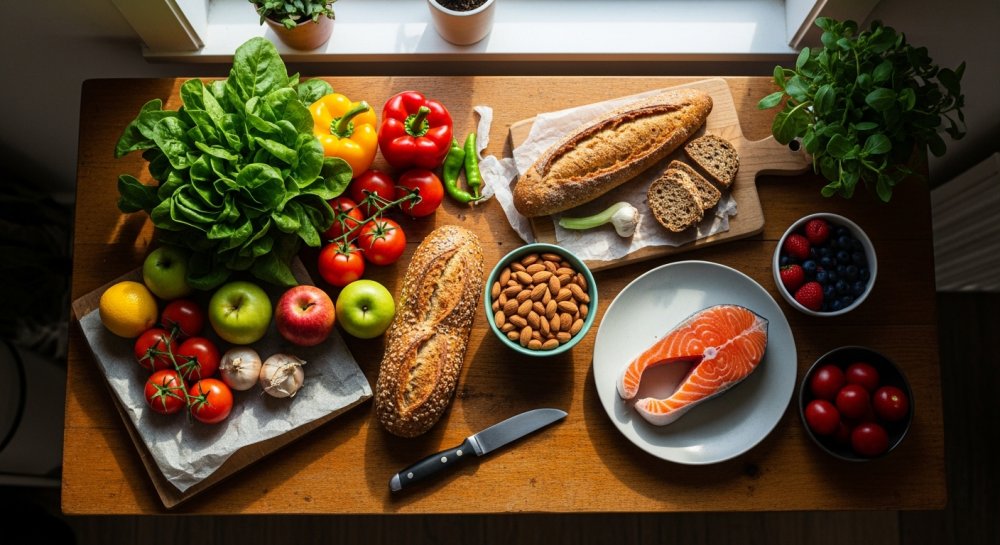
At its core, clean eating typically emphasizes whole, unprocessed foods—think fresh vegetables, fruits, whole grains, and lean proteins. The approach generally encourages limiting refined sugars, artificial ingredients, and heavily processed items that dominate many grocery store shelves.
“The basic principle is about choosing foods as close to their natural state as possible,” explains registered dietitian Sarah Johnson. “It’s less about strict rules and more about being mindful of what you’re putting into your body.”
However, nutrition experts caution against taking the concept too far. The wellness industry has sometimes twisted clean eating into an overly restrictive regime that demonizes entire food groups or creates unrealistic standards that can trigger anxiety around meals.
Dr. Michael Chen, a nutrition researcher, notes the potential downsides of extreme interpretations.
“When clean eating becomes too rigid, we see people eliminating perfectly nutritious foods based on arbitrary rules. That’s when it crosses from helpful guideline into potentially harmful territory.”
The challenge lies in the term itself—”clean” implies that other foods are “dirty,” creating a moral framework around eating that many experts find problematic. This black-and-white thinking can contribute to disordered eating patterns, particularly among those already vulnerable to such issues.
For adults over 40, a more balanced interpretation proves most beneficial. Rather than obsessing over ingredient lists or eliminating broad categories, focus on gradually increasing intake of nutrient-dense whole foods while maintaining flexibility and enjoyment in your diet.
Practical steps include shopping the perimeter of grocery stores where fresh produce and proteins typically reside, cooking more meals at home to control ingredients, and reading labels to understand what you’re consuming—without becoming paralyzed by perfectionism.
Registered dietitian Amanda Torres emphasizes sustainability over restriction.
“The best eating pattern is one you can maintain for life, not just a few weeks. That means allowing room for treats, convenience foods when needed, and real-world situations that don’t always offer ‘perfect’ options.”
Research consistently shows that diets rich in vegetables, fruits, whole grains, and lean proteins support healthy aging, cardiovascular health, and cognitive function. These outcomes don’t require eliminating all processed foods or adhering to rigid definitions of “clean.”
The bottom line? Use clean eating as a general compass pointing toward more whole foods and less ultra-processed options, but reject the all-or-nothing mentality. Your health—and your relationship with food—will benefit from the balance.
