Health
Eight Natural Healing Uses for Honey Your Grandmother Knew About

Health Points
- Honey contains natural antibacterial properties that can support wound healing and skin health
- Raw honey offers immune-supporting compounds including antioxidants and enzymes
- Traditional honey remedies may complement modern wellness practices for common ailments
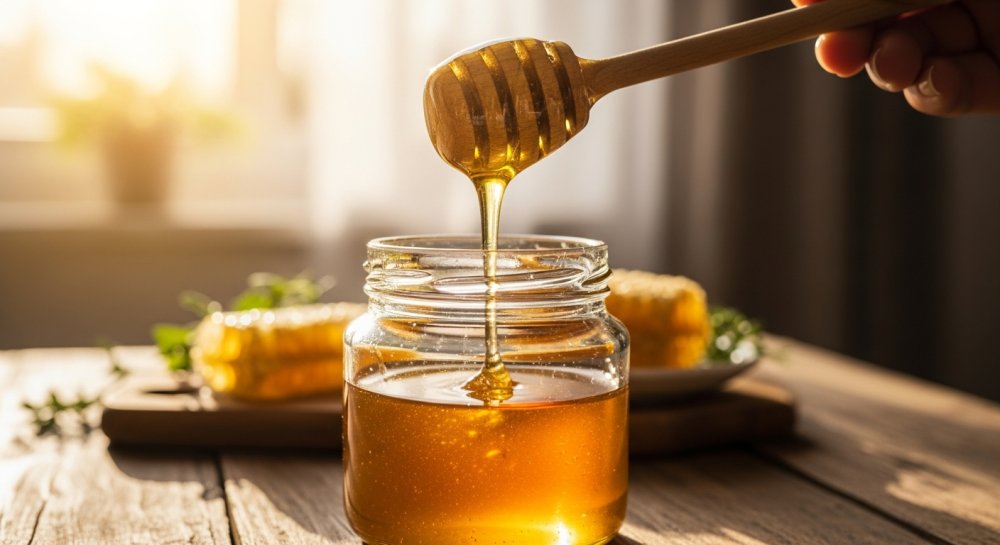
For generations, American families have turned to honey as more than just a sweetener. This golden pantry staple carries a rich history as a natural remedy, and modern research continues to validate what our grandmothers instinctively knew about its healing properties.
Raw honey contains natural antibacterial compounds and beneficial enzymes that set it apart from processed varieties. These time-honored applications deserve a closer look for anyone seeking to embrace traditional wellness practices.
Natural Wound Care Support
Honey’s antibacterial properties have made it a trusted wound treatment for centuries. Medical-grade honey dressings are now used in some healthcare settings, building on this traditional knowledge.
The thick consistency creates a protective barrier while compounds in raw honey may help reduce inflammation. For minor cuts and scrapes, a thin layer of raw honey under a bandage offers a natural alternative worth considering alongside conventional first aid.
Soothing Throat Discomfort
A spoonful of honey remains one of the most comforting remedies for scratchy throats. Its coating action provides temporary relief, while natural properties may help calm irritation.
Many families mix honey with warm water and lemon for a soothing drink during cold season. This gentle approach resonates with those seeking alternatives to over-the-counter medications for minor throat discomfort.
Supporting Digestive Wellness
Traditional wellness practices have long included honey for digestive support. Some research suggests raw honey may help maintain healthy gut bacteria and support digestive function.
A morning spoonful of raw honey or adding it to herbal tea aligns with ancestral wellness wisdom. Those with digestive sensitivities often report finding comfort in this simple, natural approach.
Natural Energy Source
Unlike refined sugars, honey contains trace minerals and natural compounds alongside its natural sweetness. Active individuals sometimes use honey as a quick energy source before or during physical activity.
The combination of different natural sugars in honey provides sustained energy. This makes it a popular choice for those seeking alternatives to processed energy products.
Skin Care Applications
Honey face masks have moved from grandma’s kitchen to modern spa menus. The natural humectant properties help skin retain moisture, while antibacterial qualities may benefit acne-prone complexions.
Mixing raw honey with ingredients like oatmeal or yogurt creates gentle, nourishing face treatments. This return to simple, natural skin care reflects broader interest in traditional beauty wisdom.
Supporting Seasonal Allergies
Local raw honey enthusiasts believe consuming honey made from nearby pollen may help the body adapt to seasonal allergens. While research remains limited, many Americans swear by this traditional approach.
The theory suggests regular small amounts of local honey might support immune response to environmental triggers. This folk remedy continues gaining interest among those seeking natural seasonal support.
Cough Relief for Families
Parents have long reached for honey when children develop nighttime coughs. Research supports this instinct, with studies showing honey may be as effective as some cough medications for children over one year old.
The soothing coating action combined with natural properties makes honey a go-to remedy in family medicine cabinets. This validates traditional parenting wisdom passed down through generations.
Antioxidant Support
Raw honey contains various antioxidant compounds that support overall wellness. Darker varieties typically offer higher antioxidant levels than lighter honeys.
These natural compounds help protect cells from everyday environmental stressors. Incorporating raw honey into a balanced diet provides a delicious way to boost antioxidant intake naturally.
Choosing Quality Honey
Not all honey offers equal benefits. Raw, unfiltered honey retains beneficial enzymes and compounds that processing removes.
Look for local sources when possible, and choose varieties labeled as raw or unpasteurized. Pure honey should list only one ingredient—honey—with no added sweeteners or fillers.
Store honey at room temperature in a sealed container. Crystallization is natural and doesn’t indicate spoilage—gentle warming restores liquid consistency without destroying beneficial properties.
Important note: Never give honey to infants under 12 months due to botulism risk. Those with bee allergies should consult healthcare providers before using honey medicinally.
These traditional applications of honey represent a bridge between ancestral wisdom and modern wellness interests. While honey shouldn’t replace professional medical care for serious conditions, it offers a natural complement to healthy living practices that have served families well for generations.
