Nutrition
Nine everyday foods that may help calm heartburn naturally

Health Points
- Certain foods like oatmeal, ginger, and leafy greens may help reduce acid reflux symptoms by neutralizing stomach acid or strengthening the esophageal barrier
- High-fat, spicy, and acidic foods can trigger heartburn by relaxing the lower esophageal sphincter or increasing stomach acid production
- Dietary changes work best alongside lifestyle modifications like eating smaller meals, avoiding late-night eating, and maintaining a healthy weight
For the millions of Americans dealing with gastroesophageal reflux disease (GERD), mealtime can feel like navigating a minefield. That burning sensation in your chest, the uncomfortable acid creep — it’s enough to make anyone think twice before sitting down to eat.
But relief may be closer than you think, and it starts with what’s on your plate. While GERD requires proper medical management, certain foods have shown promise in helping to calm that uncomfortable burn and protect your digestive system.
GERD occurs when stomach acid frequently flows back into the esophagus, the tube connecting your mouth and stomach. This backwash, or acid reflux, can irritate the lining of your esophagus and cause that telltale burning sensation known as heartburn.
The lower esophageal sphincter (LES) acts as a gatekeeper between your esophagus and stomach. When it weakens or relaxes inappropriately, acid can escape upward.
Understanding which foods may help — and which to avoid — can make a meaningful difference in managing symptoms. Here are nine heartburn-friendly options that may provide relief.
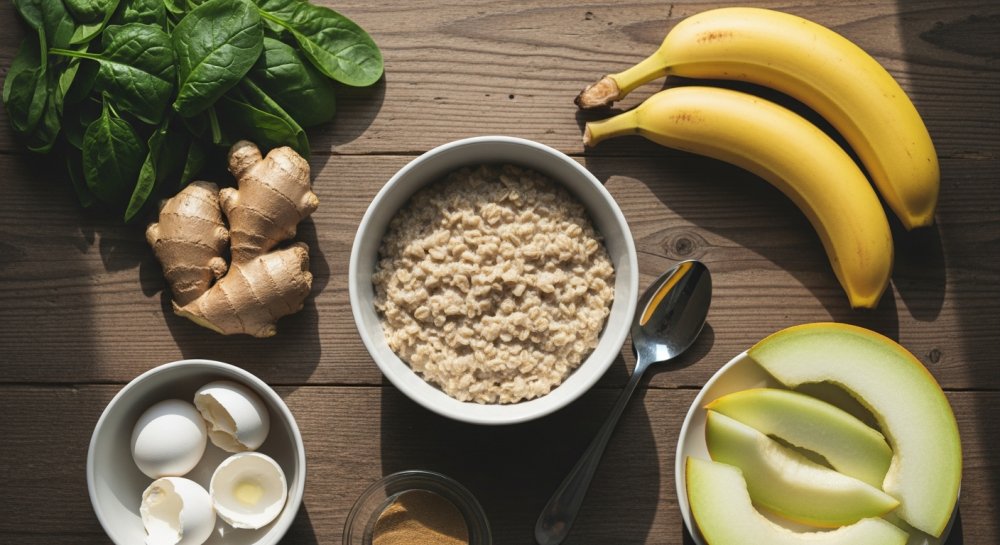
Oatmeal: A Gentle Morning Start
Starting your day with a bowl of oatmeal offers more than just sustained energy. This whole grain is low in acid and high in fiber, which can help absorb stomach acid and reduce reflux symptoms.
Oatmeal also promotes a feeling of fullness without overloading your digestive system. The key is keeping it simple — avoid adding acidic fruits like oranges or high-fat toppings that could trigger symptoms.
Ginger: Nature’s Digestive Aid
Ginger has been used for centuries as a natural remedy for digestive complaints, and modern research supports its traditional use. This aromatic root has natural anti-inflammatory properties that may help reduce inflammation in the esophagus.
Fresh ginger tea or small amounts of grated ginger added to meals can be helpful. However, moderation matters — too much ginger may actually worsen symptoms in some people.
Leafy Greens: Alkaline Allies
Spinach, kale, arugula, and other leafy greens are naturally low in fat and sugar while being alkaline in nature. This means they can help neutralize stomach acid and reduce irritation.
These nutrient-dense vegetables also provide essential vitamins and minerals that support overall digestive health. Try them steamed, sautéed with minimal oil, or in smoothies for easy incorporation into your diet.
Bananas: The Natural Antacid
Bananas are one of nature’s most effective natural antacids. Their low acid content and high pectin fiber can help coat the esophageal lining and provide a protective barrier against stomach acid.
Most people tolerate bananas well, though about 1% of GERD sufferers find they trigger symptoms. If you’re in the majority, this portable fruit makes an excellent snack option.
Melons: Sweet Relief
Watermelon, cantaloupe, and honeydew melons are alkaline fruits with high water content that can help dilute stomach acid. Their natural sweetness satisfies cravings without the acid load of citrus fruits.
Melons are also easy to digest and unlikely to trigger reflux symptoms in most people. Enjoy them as a refreshing snack or dessert alternative.
Lean Proteins: Building Blocks Without the Burn
Skinless chicken, turkey, fish, and other lean proteins are essential for a GERD-friendly diet. Unlike fatty cuts of meat, lean proteins are less likely to trigger acid reflux because they don’t slow digestion or relax the LES.
Preparation matters — grilling, baking, or poaching are better options than frying. Removing skin and visible fat further reduces the risk of triggering symptoms.
Whole Grains: Fiber-Rich Foundation
Brown rice, quinoa, whole wheat bread, and other whole grains provide essential fiber that aids digestion and helps absorb excess stomach acid. Unlike refined grains, whole grains keep you satisfied longer without causing rapid spikes in blood sugar.
The fiber content also promotes healthy gut bacteria, which plays a role in overall digestive health and may influence GERD symptoms.
Egg Whites: Pure Protein Power
Egg whites are an excellent source of lean protein and are well-tolerated by most people with GERD. Unlike egg yolks, which are high in fat and may trigger symptoms, egg whites are virtually fat-free.
They’re versatile and can be prepared in numerous ways — just avoid frying them in butter or oil, which adds problematic fats.
Healthy Fats in Moderation
While high-fat foods generally trigger GERD, your body needs some healthy fats. Avocados, nuts, and seeds provide beneficial monounsaturated and polyunsaturated fats, but portion control is essential.
These foods can slow digestion when consumed in large amounts, potentially worsening reflux. Small servings — a quarter of an avocado or a small handful of nuts — can provide nutritional benefits without overtaxing your digestive system.
Foods To Avoid
Understanding trigger foods is just as important as knowing what to eat. Common culprits include tomatoes and tomato-based products, citrus fruits and juices, chocolate, coffee and caffeinated beverages, alcohol, spicy foods, fried and fatty foods, peppermint and spearmint, and garlic and onions.
These foods can relax the LES, increase stomach acid production, or directly irritate the esophageal lining. Individual tolerance varies, so keeping a food diary can help identify your personal triggers.
Beyond Diet: Lifestyle Factors
Diet alone doesn’t tell the whole story. Several lifestyle modifications can significantly improve GERD symptoms when combined with dietary changes.
Eating smaller, more frequent meals prevents your stomach from becoming too full, which can push acid upward. Finishing your last meal at least three hours before bedtime gives your stomach time to empty before you lie down.
Elevating the head of your bed by 6 to 8 inches uses gravity to keep acid in your stomach where it belongs. Maintaining a healthy weight reduces pressure on your abdomen, and avoiding tight-fitting clothes around your waist decreases pressure that can force acid upward.
If you smoke, quitting is one of the most impactful changes you can make — smoking weakens the LES and increases acid production.
When To See A Doctor
While dietary changes can provide significant relief, they’re not a substitute for medical care. Seek medical attention if you experience heartburn more than twice a week, symptoms persist despite over-the-counter medications, difficulty swallowing, persistent nausea or vomiting, or weight loss due to poor appetite or difficulty eating.
Chest pain should always be evaluated immediately to rule out heart-related issues. Chronic, untreated GERD can lead to serious complications including esophageal damage, strictures, and Barrett’s esophagus, a precancerous condition.
Your healthcare provider can assess your symptoms, rule out other conditions, and develop a comprehensive treatment plan that may include prescription medications alongside dietary modifications. Managing GERD is a journey that requires patience and often some trial and error.
What works for one person may not work for another, which is why keeping track of your symptoms and triggers is so valuable. By incorporating heartburn-friendly foods and avoiding known triggers, you can take an active role in managing your symptoms and improving your quality of life.
