Health
Six Popular Herbal Supplements Linked to Liver Damage

Health Points
- Common herbal supplements including turmeric and ashwagandha have been linked to potential liver damage in recent medical research
- Dietary supplements are not regulated by the FDA with the same rigor as prescription medications, creating safety concerns
- Adults over 40 should consult healthcare providers before starting any new supplement regimen, especially if taking prescription medications
While many Americans turn to herbal supplements seeking natural health benefits, emerging research suggests some of the most popular options may pose unexpected risks to liver health. Medical experts are raising concerns about six widely-used supplements that have been associated with liver damage.
The supplements under scrutiny include turmeric, ashwagandha, green tea extract, red yeast rice, garcinia cambogia, and black cohosh. These products are commonly found in health food stores and pharmacies across the country, marketed for various wellness purposes from inflammation reduction to weight management.
Dr. Victor Navarro, chair of the hepatology division at Einstein Healthcare Network in Philadelphia, notes the growing concern in the medical community.
“We’re seeing an increasing number of cases of liver injury associated with herbal and dietary supplements. The challenge is that these products aren’t regulated the same way prescription medications are.”
Unlike pharmaceutical drugs, dietary supplements do not require FDA approval before reaching store shelves. Manufacturers are responsible for ensuring safety, but the agency only steps in after problems emerge. This regulatory gap means consumers may be unaware of potential risks.
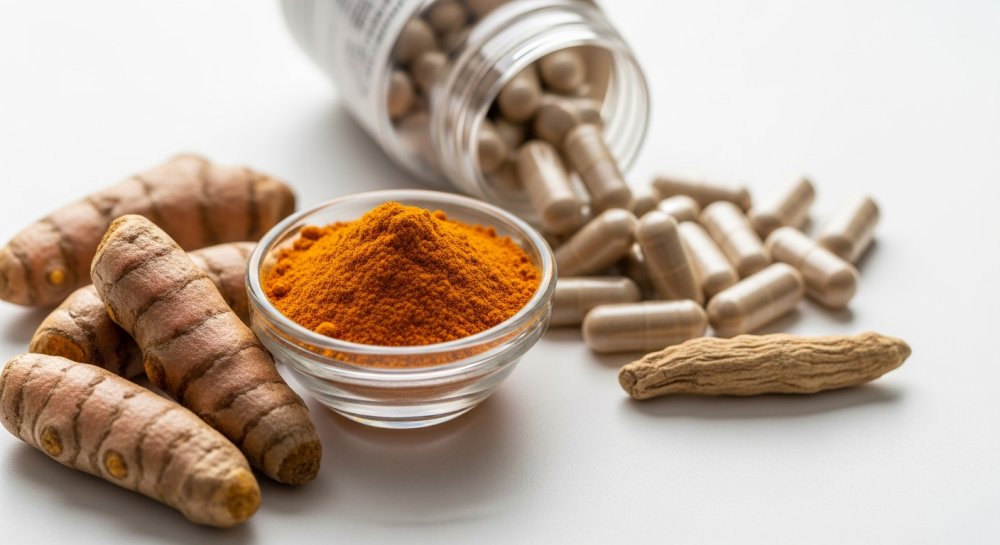
Turmeric, widely promoted for its anti-inflammatory properties, has been linked to liver injury in multiple case reports. The golden spice, often consumed in high-dose supplement form, appears safe in food amounts but may cause problems when concentrated. Some preparations contain additives or are combined with black pepper extract to enhance absorption, potentially increasing risk.
Ashwagandha, an adaptogen traditionally used in Ayurvedic medicine for stress relief, has similarly been associated with liver toxicity. The herb has surged in popularity among Americans seeking natural anxiety relief, particularly during the pandemic years.
Green tea extract supplements present a paradox—while brewed green tea is considered healthful, concentrated extract forms have been linked to serious liver damage. The concentrated catechins in supplement form may overwhelm the liver’s processing capacity. Several countries have issued warnings about these products.
Red yeast rice, marketed for cholesterol management, contains compounds similar to prescription statin medications. This similarity explains both its effectiveness and its risks, which can include liver enzyme elevations. The product’s composition varies widely between brands, making dosing unpredictable.
Garcinia cambogia, popularized for weight loss, has been implicated in cases of acute liver failure requiring transplantation. Despite its widespread availability, evidence of effectiveness remains limited while safety concerns mount.
Black cohosh, commonly used for menopausal symptoms, has been associated with liver injury in numerous reports. Women seeking relief from hot flashes may be unaware of this potential complication.
The liver injury associated with these supplements can range from mild enzyme elevations detected only through blood tests to severe hepatitis requiring hospitalization. In rare cases, acute liver failure necessitating transplantation has occurred. Symptoms may include fatigue, nausea, abdominal pain, dark urine, and jaundice.
Dr. Navarro emphasizes the importance of disclosure to healthcare providers.
“Many patients don’t mention supplements to their doctors because they consider them natural and therefore safe. But natural doesn’t always mean harmless, especially when we’re talking about concentrated extracts taken in doses far exceeding what you’d get from food.”
Risk factors for supplement-related liver injury include pre-existing liver conditions, concurrent medication use, higher doses, and prolonged use. The interaction between supplements and prescription medications can amplify risks, as both are processed through the liver’s detoxification pathways.
Quality control issues compound safety concerns. Third-party testing has revealed that some products contain ingredients not listed on labels, while others contain contaminants or adulterants. The actual content of active ingredients may vary significantly from stated amounts.
For Americans over 40, who may already be taking prescription medications for chronic conditions, the risks are particularly relevant. Age-related changes in liver function can affect how supplements are processed. The combination of multiple supplements, sometimes called “stacking,” further increases potential for adverse effects.
Medical experts recommend several precautions for those considering or currently using these supplements. First, consult with a healthcare provider before starting any new supplement, particularly if you have existing health conditions or take prescription medications. Second, choose products that have been third-party tested for quality and purity. Third, avoid exceeding recommended doses, and be wary of products making exaggerated health claims.
If you’re currently taking any of these supplements, watch for warning signs of liver problems including unexplained fatigue, loss of appetite, abdominal discomfort, yellowing of skin or eyes, or dark-colored urine. These symptoms warrant immediate medical evaluation.
The traditional values of personal responsibility and informed decision-making apply equally to supplement use. While the desire for natural health solutions is understandable, due diligence remains essential. Reading labels carefully, researching products through reputable sources, and maintaining open communication with healthcare providers represent prudent approaches.
Some healthcare providers recommend periodic liver function testing for patients taking herbal supplements long-term. These simple blood tests can detect early signs of liver stress before symptoms develop. Early detection allows for intervention by discontinuing the problematic supplement before serious damage occurs.
The supplement industry argues that adverse events are rare relative to widespread use, and that most people tolerate these products without problems. Industry representatives point out that conventional medications also carry risks, and that consumers should have access to natural alternatives. They emphasize the importance of purchasing from reputable manufacturers who follow good manufacturing practices.
Nevertheless, the medical community maintains that the absence of pre-market safety testing creates an unacceptable risk, particularly for vulnerable populations. Unlike prescription drugs where risks and benefits are carefully studied before approval, supplement risks often only become apparent after widespread public use.
For those seeking the purported benefits of these supplements, alternatives may exist. Turmeric can be safely consumed as a culinary spice in food. Stress management through lifestyle modifications, exercise, and counseling may address concerns that lead people to ashwagandha. Drinking brewed green tea provides antioxidants without the concentrated doses found in extracts.
Cholesterol management through diet, exercise, and when necessary, proven prescription medications represents a more reliable approach than red yeast rice. Sustainable weight loss stems from caloric balance and physical activity rather than supplements like garcinia cambogia. Menopausal symptoms can be addressed through hormone therapy or other proven treatments rather than black cohosh.
The key message from hepatologists is not necessarily to avoid all supplements, but to approach them with appropriate caution and medical oversight. The assumption that natural products are inherently safe can lead to harmful consequences. Concentrated plant compounds can exert powerful effects on the body, including unintended damage to vital organs like the liver.
As research continues to emerge on supplement safety, staying informed becomes increasingly important. Reputable medical organizations and government health agencies provide updated information on supplement risks. Consulting these sources before starting a new supplement regimen represents sound health practice.
The intersection of consumer freedom, industry interests, and public health protection remains a subject of ongoing debate. While regulatory reform has been proposed, meaningful changes face resistance from multiple quarters. In the meantime, individual vigilance and medical guidance offer the best protection against supplement-related harm.
