Nutrition
These 13 Foods Before Bed Could Help You Shed Pounds While You Sleep

Health Points
- Certain protein-rich and nutrient-dense foods eaten before bed can support metabolism and muscle recovery during sleep
- Small, balanced bedtime snacks may help stabilize blood sugar overnight and prevent morning overeating
- Foods containing tryptophan, magnesium, and healthy fats can improve sleep quality while supporting weight management goals
The idea of eating before bed has long been controversial in weight loss circles. Traditional wisdom suggested closing the kitchen after dinner, but emerging research reveals that strategic bedtime snacking might actually support your weight management goals.
What you eat matters more than when you eat. The key lies in choosing nutrient-dense, balanced options that work with your body’s natural overnight processes rather than against them.
Registered dietitians emphasize that the right pre-bed foods can stabilize blood sugar, preserve lean muscle mass, and even enhance the quality of sleep—all factors that play crucial roles in healthy weight management. Here are thirteen science-backed options worth considering for your evening routine.
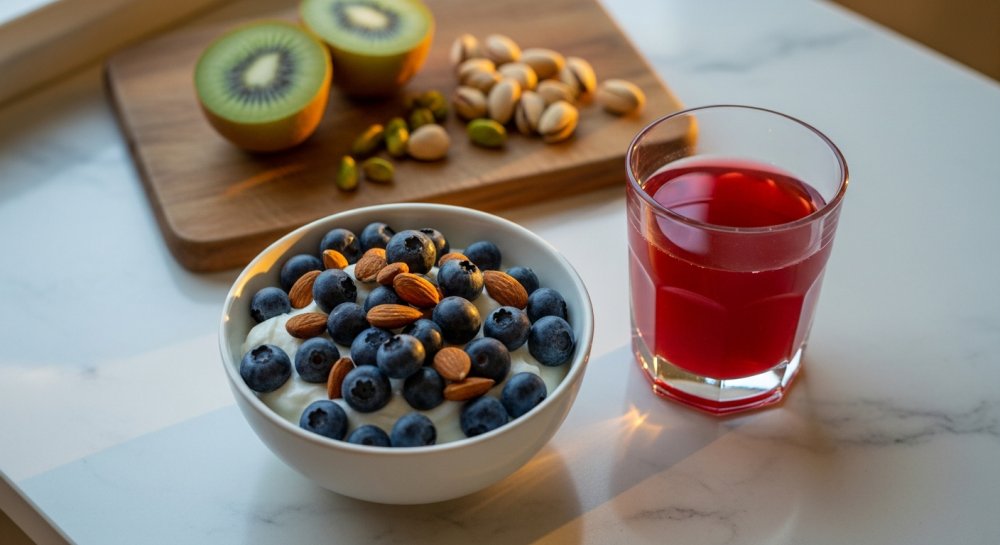
Greek Yogurt
This protein powerhouse contains casein, a slow-digesting protein that provides a steady stream of amino acids throughout the night. A single serving delivers approximately 15-20 grams of protein while remaining relatively low in calories.
The calcium content in Greek yogurt may also play a role in fat metabolism. Choose plain varieties to avoid added sugars that could interfere with sleep quality and add fresh berries for natural sweetness and additional fiber.
Cottage Cheese
Similar to Greek yogurt, cottage cheese offers substantial casein protein content. This makes it particularly valuable for muscle preservation during the overnight fasting period.
Low-fat cottage cheese provides protein without excessive calories. Pair it with a small amount of nuts or seeds for healthy fats that increase satiety and provide additional nutrients like magnesium, which supports restful sleep.
Almonds
These nutrient-dense nuts contain magnesium, healthy monounsaturated fats, and protein—a trifecta for nighttime nutrition. A small handful (about 1 ounce) delivers approximately 6 grams of protein and 3.5 grams of fiber.
The magnesium in almonds helps regulate blood sugar levels and may improve sleep quality. Their healthy fat content promotes satiety, reducing the likelihood of middle-of-the-night hunger or excessive breakfast portions.
Turkey Slices
Lean turkey breast contains both protein and tryptophan, an amino acid that helps produce serotonin and melatonin. These neurotransmitters regulate sleep-wake cycles and mood.
A few slices of turkey provide substantial protein without heavy calories or difficult-to-digest fats. Roll them with a slice of cheese or eat them plain for a simple, effective bedtime snack.
Chamomile Tea
While technically a beverage rather than food, chamomile tea deserves mention for its sleep-promoting properties. This caffeine-free herbal tea contains antioxidants that may reduce inflammation and support metabolic health.
The ritual of warm tea before bed can also signal to your body that it’s time to wind down. Better sleep quality correlates with improved weight management, as poor sleep disrupts hunger hormones like ghrelin and leptin.
Kiwi
Research suggests that eating kiwi before bed may improve both sleep onset and duration. This fuzzy fruit contains serotonin and antioxidants while remaining relatively low in calories—about 42 calories per fruit.
The fiber content helps with digestive health, and the natural sweetness satisfies evening cravings without the blood sugar spike associated with processed desserts. Two kiwis make an ideal portion for a bedtime snack.
Tart Cherry Juice
Unsweetened tart cherry juice represents one of the few natural sources of melatonin. Studies indicate that consuming this juice may increase sleep time and improve sleep efficiency.
A small glass (about 4 ounces) provides sleep benefits without excessive calories. Choose 100% juice without added sugars to maximize benefits while supporting weight management goals.
Edamame
These young soybeans deliver plant-based protein, fiber, and important minerals in a low-calorie package. One cup of shelled edamame contains approximately 17 grams of protein and 8 grams of fiber.
The combination of protein and fiber promotes satiety throughout the night. Edamame also provides magnesium and calcium, minerals that support both bone health and quality sleep.
Bananas
Often avoided in weight loss plans due to carbohydrate content, bananas actually make an excellent bedtime choice when eaten in moderation. They contain both tryptophan and magnesium, supporting natural melatonin production.
The natural sugars in bananas are balanced by fiber, providing gentle energy without causing blood sugar crashes. A medium banana with a tablespoon of almond butter creates a satisfying, balanced snack.
Hard-Boiled Eggs
Eggs offer complete protein with all essential amino acids in an easily digestible form. One large hard-boiled egg contains about 6 grams of protein and only 78 calories.
Preparing eggs in advance makes them a convenient bedtime option. The protein helps maintain muscle mass during overnight fasting, supporting healthy metabolism.
Avocado
While higher in calories than some options, avocado provides healthy monounsaturated fats that increase satiety and support nutrient absorption. Half an avocado offers about 120 calories along with fiber and potassium.
The magnesium content supports muscle relaxation and sleep quality. Spread on whole-grain crackers or eat with a spoon for a satisfying, nutrient-dense bedtime snack.
Pistachios
These nuts contain melatonin naturally, along with protein, healthy fats, and fiber. The act of shelling pistachios can also slow consumption, promoting mindful eating.
A one-ounce serving provides about 6 grams of protein and healthy fats that promote satiety. The melatonin content may support both sleep quality and circadian rhythm regulation.
Hummus and Vegetables
This combination delivers plant-based protein from chickpeas along with fiber from both the hummus and raw vegetables. The complex carbohydrates provide gentle energy without spiking blood sugar.
Two tablespoons of hummus with sliced bell peppers, cucumbers, or carrots creates a satisfying snack under 100 calories. The protein and fiber combination promotes fullness throughout the night.
Portion Control Matters
Even healthy foods can interfere with weight loss goals when consumed in excessive quantities. Bedtime snacks should typically range from 100-200 calories to support metabolism without adding unnecessary energy intake.
Preparing portions in advance prevents mindless overeating. Pre-portioned containers or bags help maintain appropriate serving sizes even when you’re tired and less likely to measure carefully.
Timing Considerations
Most nutrition experts recommend finishing your bedtime snack at least 30-60 minutes before lying down. This allows initial digestion to occur and reduces the risk of acid reflux or sleep disruption.
Listen to your body’s hunger signals. Not everyone needs a bedtime snack, and eating when you’re not truly hungry can undermine weight management efforts regardless of food choice.
Individual Needs Vary
Factors like activity level, medication schedules, and underlying health conditions influence optimal bedtime eating strategies. What works for one person may not suit another’s needs or lifestyle.
Those with diabetes or blood sugar concerns should consult healthcare providers about appropriate bedtime snack options. Balancing protein, fat, and carbohydrates becomes especially important for maintaining stable overnight glucose levels.
The relationship between bedtime eating and weight management continues to evolve as research reveals more about metabolism, sleep, and circadian rhythms. Rather than adhering to rigid rules about kitchen closing times, focus on choosing nutrient-dense options that support both sleep quality and health goals.
