Health
Why Routine Workplace Safety Checks Protect Teams and Productivity

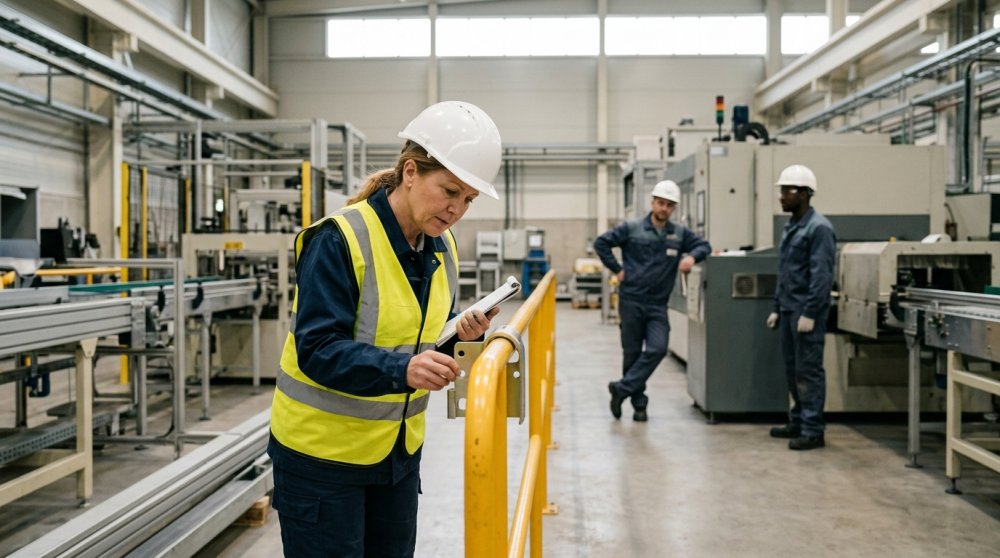
Health Points
- Regular safety inspections catch small hazards before they become costly problems.
- Consistent checks support both employee well-being and operational continuity.
- Early detection of issues often reduces downtime and insurance claims.
Workplace hazards rarely announce themselves as major emergencies. A damaged guard, blocked exit, leaking container, or repeated shortcut can exist for weeks before anyone notices.
Over time these small oversights add up. A frayed cord left unattended may eventually spark a fire. A missing railing can lead to a fall that sidelines a valued colleague for months.
“The goal of an inspection is not to find fault but to prevent harm,” notes safety consultant Maria Torres.
Scheduled walk-throughs allow teams to spot problems while they are still manageable. Maintenance crews can replace a worn step before it gives way. Supervisors can rearrange storage so that emergency exits stay clear.
“When we treat inspections as routine rather than reactive, the entire workplace culture shifts,” says facilities director James Keller.
Employees also gain confidence when they see leadership prioritizing their safety. Morale rises, turnover drops, and productivity remains steady because fewer days are lost to preventable incidents.
Documenting each inspection creates a clear record of due diligence. Should an incident ever occur, these records demonstrate that reasonable steps were taken to maintain a safe environment.
Ultimately, proactive checks protect both people and the bottom line. By addressing hazards early, organizations avoid the larger costs of accidents, legal fees, and lost contracts that often follow serious workplace events.
