Health
Understanding How Weakened Defenses Change Daily Health Choices

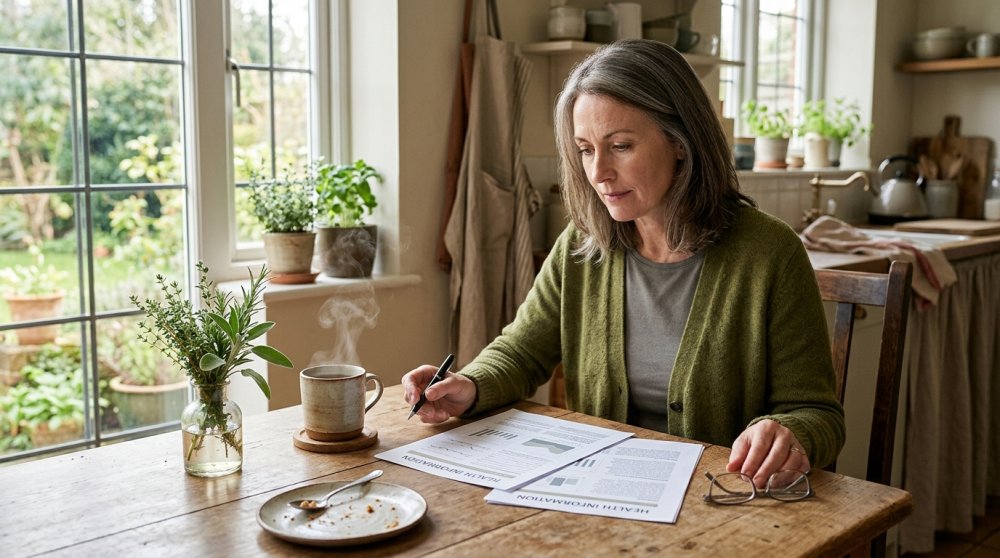
Health Points
- Immunocompromised means the immune system has reduced ability to fight infections and certain cancers.
- Common causes include specific medications, chronic illnesses, and age-related immune decline.
- Simple, consistent habits such as timely vaccinations and hand hygiene offer meaningful protection.
Many adults reach middle age and begin to notice they catch every cold that circulates at work or church. They may not realize these frequent illnesses can signal that the body’s natural defenses are not as robust as they once were. Understanding the term immunocompromised helps explain why prevention matters more with each passing decade.
Physicians describe someone as immunocompromised when the immune system cannot mount a normal response to viruses, bacteria, or abnormal cells. This state can result from chemotherapy, long-term steroid use, organ-transplant drugs, or conditions such as advanced diabetes and kidney disease. Even healthy aging gradually lowers immune vigilance, so adults over 50 often fall into this category without a dramatic diagnosis.
“We see patients who never considered themselves high-risk until an infection landed them in the hospital,” says Dr. Maria Sanchez, a geriatric immunologist. “Small adjustments in daily routine can change that story.”
Practical steps begin with the annual flu shot, up-to-date COVID-19 boosters, and the pneumococcal vaccine recommended after age 65. Washing hands for twenty seconds before meals and after public outings remains foundational. Household members can further reduce exposure by staying home when they feel ill and by improving indoor ventilation through open windows or portable air filters.
Nutrition also supports immune health. Colorful vegetables, adequate protein, and regular physical activity help maintain muscle mass that naturally declines after forty. Seven to nine hours of consistent sleep each night allows the body to repair tissues and regulate inflammatory chemicals that otherwise sap energy.
“It is never too late to strengthen the habits that protect us,” Dr. Sanchez notes. “Patients who start in their fifties often report fewer sick days within the first season.”
Consulting a primary-care provider offers personalized guidance, especially before travel or elective surgery. Blood tests can reveal nutrient shortfalls or hidden inflammation that quietly weaken defenses. Armed with this knowledge, adults can enjoy the activities they love while respecting the body’s changing needs.
