Nutrition
The Mediterranean Diet May Help You Live Longer, New Research Confirms

Health Points
- The Mediterranean diet emphasizes whole foods like fruits, vegetables, whole grains, and healthy fats from olive oil and nuts
- Research links this eating pattern to reduced risk of heart disease, diabetes, and certain cancers
- The diet allows moderate amounts of fish, poultry, and dairy while limiting red meat and processed foods
For decades, health experts have praised the Mediterranean diet as one of the most effective eating patterns for longevity and disease prevention. Now, a growing body of research continues to validate what nutritionists have long believed: this traditional way of eating may be one of the most powerful tools for maintaining health as we age.
The Mediterranean diet isn’t a restrictive meal plan with rigid rules. Instead, it’s a lifestyle approach based on the traditional eating habits of people living in countries bordering the Mediterranean Sea, including Greece, Italy, and Spain.
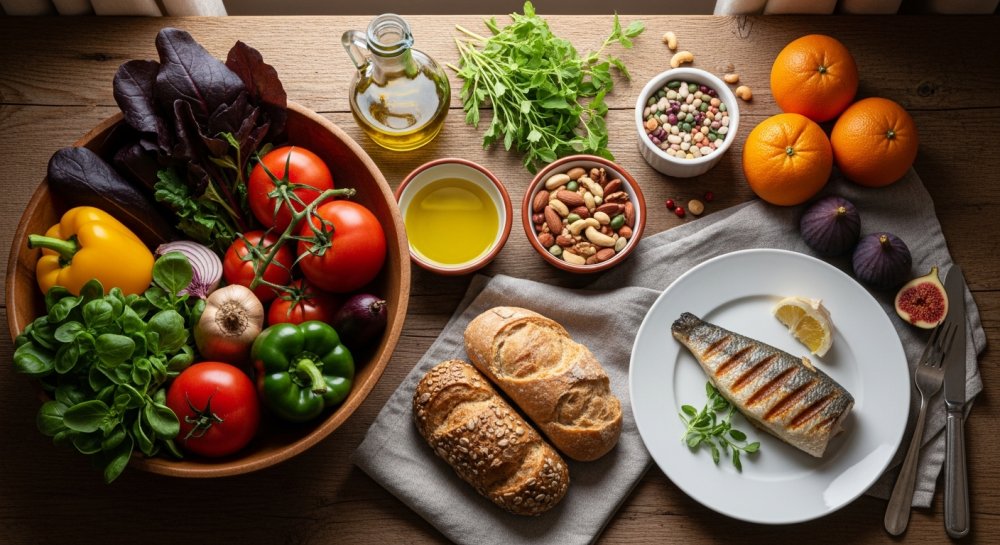
At its core, the diet emphasizes plant-based foods — fruits, vegetables, whole grains, legumes, and nuts form the foundation of every meal. Olive oil serves as the primary source of added fat, replacing butter and other saturated fats common in Western diets.
Fish and seafood appear on the menu at least twice weekly, providing essential omega-3 fatty acids. Poultry, eggs, cheese, and yogurt are consumed in moderate amounts, while red meat is reserved for occasional consumption.
Studies have consistently shown that people who follow a Mediterranean eating pattern experience lower rates of cardiovascular disease, type 2 diabetes, and cognitive decline. The diet’s emphasis on anti-inflammatory foods and healthy fats appears to protect against chronic diseases that become more common after age 40.
One particularly compelling aspect of this approach is its sustainability. Unlike fad diets that require eliminating entire food groups, the Mediterranean diet allows for variety and flexibility, making it easier to maintain over the long term.
The diet also encourages mindful eating practices that align with traditional family values — sharing meals with loved ones, cooking at home, and taking time to enjoy food without distractions. These social and cultural components may contribute to the diet’s health benefits as much as the foods themselves.
For those looking to adopt this eating pattern, experts recommend starting gradually. Swap butter for olive oil in cooking, add an extra serving of vegetables to dinner, or replace processed snacks with a handful of nuts.
Choose whole grains like brown rice, quinoa, and whole wheat bread over refined options. Include beans and lentils several times per week as affordable, nutrient-dense protein sources.
When selecting proteins, prioritize fish like salmon, sardines, and mackerel, which offer the highest omega-3 content. Limit red meat to a few times per month, treating it as a special occasion food rather than a daily staple.
Fresh herbs and spices add flavor without excess sodium, while a moderate amount of red wine (if you already drink alcohol) can be enjoyed with meals. The key is moderation and balance rather than strict adherence to complicated rules.
Research suggests that the benefits of Mediterranean eating extend beyond physical health. Studies have found associations between this dietary pattern and improved mental well-being, reduced symptoms of depression, and better quality of life in older adults.
For Americans over 40 who want to take control of their health without resorting to extreme measures, the Mediterranean diet offers a practical, evidence-based approach. It represents a return to traditional eating patterns that nourished generations before the rise of processed convenience foods.
The abundance of colorful vegetables, heart-healthy fats, and lean proteins provides the nutrients needed to maintain energy, support healthy aging, and reduce disease risk. By embracing this time-tested way of eating, individuals can make a positive investment in their long-term health and vitality.
