Nutrition
The Surprising Health Winner Between Salmon and Tuna Sushi

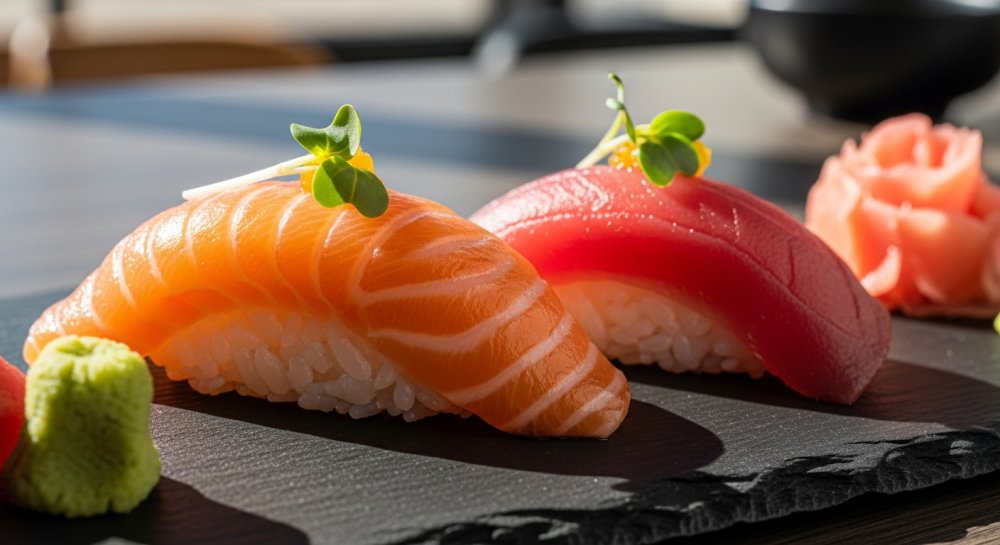
Health Points
- Both salmon and tuna provide excellent protein (around 25 grams per 4-ounce serving), but salmon delivers more omega-3 fatty acids crucial for heart and brain health
- Salmon offers superior vitamin D and B12 content while being lower in mercury than most tuna varieties
- Choosing wild-caught salmon or skipjack tuna can maximize nutritional benefits while minimizing environmental and health concerns
When faced with the sushi menu at your favorite restaurant, the choice between salmon and tuna often comes down to personal taste. But for health-conscious diners over 40, understanding the nutritional differences between these popular fish can help make the best choice for your wellness goals.
Both fish are nutritional powerhouses, delivering high-quality protein that supports muscle maintenance and overall health as we age. A standard 4-ounce serving of either salmon or tuna provides approximately 25 grams of protein—meeting nearly half of most adults’ daily protein needs.
The real differences emerge when examining the types of fats and micronutrients each fish offers. Salmon stands out for its exceptional omega-3 fatty acid content, particularly EPA and DHA, which play vital roles in reducing inflammation, supporting cognitive function, and protecting cardiovascular health.
“Omega-3 fatty acids are essential nutrients that our bodies cannot produce on their own,” explains registered dietitian Jennifer Williams. “For adults concerned about heart health and maintaining brain function, these fats are particularly important.”
A serving of salmon typically contains 1.5 to 2.5 grams of omega-3s, compared to tuna’s 0.2 to 1.5 grams, depending on the variety. This makes salmon the clear winner for those prioritizing these healthy fats.
Salmon also excels in vitamin D content, providing up to 600 IU per serving—a significant portion of the recommended daily intake. This vitamin supports bone health, immune function, and mood regulation, all increasingly important considerations as we age.
Tuna offers its own advantages, particularly in being lower in total calories and fat while maintaining the same high protein content. For those watching calorie intake, tuna’s leaner profile can fit more easily into weight management plans.
Mercury content represents an important consideration for regular sushi consumers. Most tuna varieties, particularly albacore and yellowfin, contain higher mercury levels than salmon. Frequent consumption of high-mercury fish can pose health risks, especially for women of childbearing age.
“I recommend varying your fish choices and being mindful of portion sizes,” says Williams. “Limiting high-mercury fish to once or twice weekly while enjoying lower-mercury options like salmon more frequently provides a balanced approach.”
For environmentally conscious diners, wild-caught Alaskan salmon and pole-caught skipjack tuna represent more sustainable choices. These fishing methods have less environmental impact while often producing fish with optimal nutritional profiles.
The vitamin B12 content in both fish supports energy metabolism and nervous system health, with salmon providing slightly higher amounts. This vitamin becomes increasingly important for maintaining energy levels and cognitive function after 40.
When ordering sushi, preparation methods matter for maximizing health benefits. Simple preparations like nigiri or sashimi allow you to enjoy the fish’s natural nutrients without added calories from tempura batter or heavy sauces. Pairing your fish with fresh vegetables and limiting soy sauce helps control sodium intake.
For those concerned about raw fish consumption, both salmon and tuna used in reputable sushi restaurants undergo freezing processes that eliminate parasites while preserving nutritional value. Choosing established restaurants with high turnover ensures the freshest, safest fish.
The selenium content in both fish supports thyroid function and acts as an antioxidant, protecting cells from damage. A single serving of either fish meets or exceeds daily selenium requirements.
While both salmon and tuna offer impressive nutritional profiles, salmon edges ahead for most health-conscious diners over 40. Its superior omega-3 content, lower mercury levels, and higher vitamin D make it the more beneficial choice for regular consumption. However, incorporating both fish into a varied diet provides diverse nutrients while keeping meals interesting and enjoyable.
The key to maximizing health benefits lies in choosing quality fish, varying your selections, and being mindful of portion sizes and preparation methods. Whether you prefer the buttery richness of salmon or the leaner texture of tuna, both fish deserve a regular place in a health-promoting diet.
