Nutrition
The Surprising Protein Truth About Your Morning Banana

Health Points
- A medium banana contains approximately 1.3 grams of protein, contributing modestly to daily intake needs
- While not a protein powerhouse, bananas provide essential nutrients including potassium, fiber, and vitamin B6
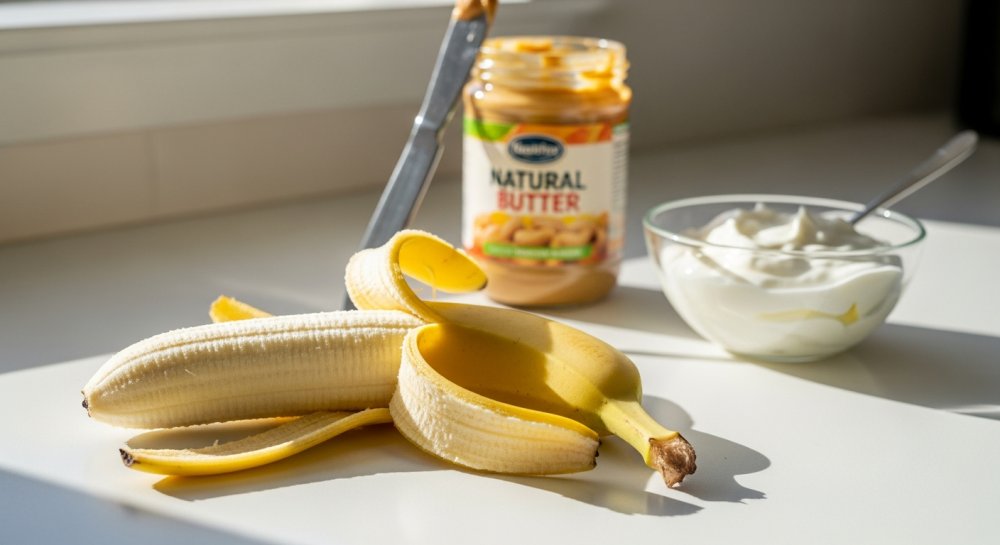
- Pairing bananas with protein-rich foods like nut butter or Greek yogurt creates a more balanced, satisfying snack
For many Americans over 40, bananas have been a breakfast staple for decades. But if you’re counting on that morning banana to meet your protein needs, you may want to reconsider your nutritional strategy.
A medium-sized banana delivers about 1.3 grams of protein. To put that in perspective, adults generally need 0.8 grams of protein per kilogram of body weight daily—roughly 56 grams for men and 46 grams for women. That single banana accounts for less than 3% of most people’s daily protein requirements.
“Bananas are wonderful for many reasons, but they’re not what we’d classify as a significant protein source,” says registered dietitian Sarah Thompson, who specializes in nutrition for active adults. “That doesn’t diminish their value—it just means we need to be realistic about what they contribute to our overall diet.”
The protein content in bananas is modest compared to other foods. A single egg contains about 6 grams of protein, Greek yogurt packs 15-20 grams per serving, and a chicken breast delivers approximately 26 grams. Even compared to other fruits, bananas rank in the middle—avocados contain slightly more protein, while berries contain less.
What bananas do offer is an impressive nutrient profile beyond protein. A medium banana provides about 422 milligrams of potassium, essential for heart health and blood pressure regulation—particularly important for those navigating cardiovascular concerns in midlife and beyond. They also deliver about 3 grams of fiber, supporting digestive health, and meaningful amounts of vitamin B6, which plays a role in brain health and immune function.
“The beauty of bananas lies in their convenience and their role as a quick energy source,” Thompson explains. “They’re perfect before or after exercise, and they’re gentle on the digestive system.”
For those looking to increase protein intake while still enjoying bananas, the solution lies in smart pairing. Spreading two tablespoons of almond butter on banana slices adds about 7 grams of protein. Blending a banana into a smoothie with Greek yogurt and a scoop of protein powder can create a post-workout drink with 25-30 grams of protein. Even simply eating a banana alongside a hardboiled egg transforms a low-protein snack into a more balanced option.
The importance of adequate protein intake increases with age. Research suggests that adults over 50 may benefit from slightly higher protein intake—closer to 1.0 to 1.2 grams per kilogram of body weight—to help preserve muscle mass and support healthy aging. This makes strategic food choices even more critical.
Nutritionists emphasize that no single food needs to be a nutritional superhero. The key is building a varied diet where different foods contribute different strengths. Bananas excel at providing quick energy, essential minerals, and natural sweetness without added sugars. They simply weren’t designed by nature to be a protein source.
“Think of your banana as part of an ensemble cast rather than the leading role when it comes to protein,” Thompson suggests. “It plays its part beautifully, but it needs supporting players.”
For health-conscious adults tracking their macronutrient intake, understanding what each food realistically provides helps in making informed choices. A banana at breakfast is still an excellent choice—just not for its protein content. Pair it with eggs, cottage cheese, or a protein-rich smoothie, and you’ve created a morning meal that truly supports your nutritional needs.
The bottom line: enjoy your bananas for their convenience, natural sweetness, and valuable nutrients. Just don’t expect them to meet your protein goals on their own.
