Health
The Hidden Parasite That Could Be Living Inside You Right Now

Health Points
- Tapeworms are parasitic flatworms that live in the digestive tract and can grow up to 30 feet long, often causing no symptoms initially
- Infection occurs primarily through undercooked meat or contaminated water, with certain dietary and travel habits increasing risk
- While many infections resolve without treatment, some cases require prescription medication to prevent serious complications including organ damage
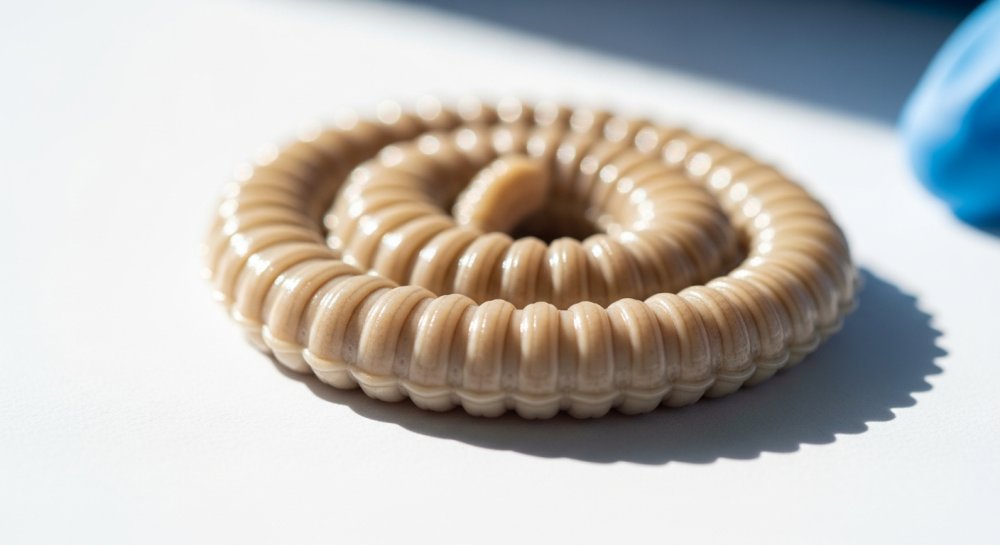
For millions of Americans, an uninvited guest may be residing in their digestive system—and they might not even know it. Tapeworms, parasitic flatworms that can reach astonishing lengths inside the human body, remain a persistent health concern that medical professionals say deserves more attention from the public.
These ribbon-like parasites attach themselves to the intestinal wall and can survive for years if left untreated. The prospect sounds like something from a horror film, yet tapeworm infections occur more frequently than many realize, particularly among those who consume undercooked meat or travel to regions with compromised water sanitation.
Understanding the Unwelcome Intruder
Tapeworms belong to a class of parasitic flatworms known as cestodes. Unlike other parasites, these creatures have adapted specifically to thrive within the human digestive tract, where they absorb nutrients directly through their skin-like surface.
The lifecycle of a tapeworm begins when microscopic eggs or larvae enter the body through contaminated food or water. Once inside, the parasite develops into an adult worm composed of segments called proglottids, each capable of producing thousands of eggs.
Several species can infect humans, with the most common being beef tapeworms, pork tapeworms, and fish tapeworms. The type of infection depends on the source of contamination, and each variety presents its own set of health challenges.
The Silent Invasion: Why Symptoms Often Go Unnoticed
One of the most troubling aspects of tapeworm infection is that many people experience no symptoms whatsoever. The parasite can establish itself and grow to substantial size while the host remains completely unaware.
When symptoms do appear, they often mimic common digestive complaints, making diagnosis challenging. Individuals may notice unexplained abdominal discomfort, a sensation of fullness, or mild nausea that comes and goes without apparent cause.
Some infected individuals report experiencing unusual hunger patterns or, conversely, a decrease in appetite. Weight loss can occur even when dietary habits remain unchanged, as the parasite consumes nutrients intended for the host.
Fatigue and weakness may develop over time, particularly if the infection persists for months or years. This occurs because the tapeworm depletes essential vitamins and minerals, particularly vitamin B12, which plays a crucial role in energy production and neurological function.
The Telltale Signs That Demand Medical Attention
The most definitive sign of tapeworm infection occurs when segments of the worm separate and pass through the digestive system. These proglottids may be visible in stool or on undergarments, appearing as small, white, rice-like fragments that sometimes move independently.
Digestive disturbances can escalate beyond mild discomfort. Some individuals experience diarrhea or constipation that persists despite dietary changes or over-the-counter remedies.
Abdominal pain may intensify, particularly in the upper abdomen where the tapeworm typically attaches itself. This discomfort can range from a dull ache to sharp, intermittent cramping.
In cases of fish tapeworm infection specifically, symptoms of vitamin B12 deficiency may emerge. These include tingling in the hands and feet, difficulty maintaining balance, and cognitive changes such as memory problems or confusion.
High-Risk Situations and Prevention Strategies
Certain lifestyle factors and circumstances significantly increase the likelihood of tapeworm infection. Understanding these risk factors empowers individuals to take protective measures.
Consuming raw or undercooked meat poses the greatest risk. This includes dishes like steak tartare, certain sushi preparations, and meat that hasn’t reached safe internal temperatures during cooking. Home preparation of these foods requires particular vigilance.
Travel to developing nations where water treatment systems may be inadequate increases exposure risk. In these regions, drinking untreated water or consuming raw vegetables washed in contaminated water can lead to infection.
Living in close proximity to livestock or in areas with poor sanitation creates additional vulnerability. Agricultural workers and those in rural communities should exercise heightened awareness of proper hygiene practices.
Poor hand hygiene remains a fundamental factor in parasite transmission. Thorough handwashing with soap and warm water, especially before eating and after using the restroom, provides essential protection.
The Path to Diagnosis and Treatment
Modern medicine offers reliable methods for identifying tapeworm infections. Stool sample analysis remains the primary diagnostic tool, allowing laboratory technicians to detect eggs or worm segments under microscopic examination.
Blood tests may reveal antibodies produced in response to the infection, though this method is less commonly used for initial diagnosis. Imaging studies like CT scans or MRIs become necessary when there’s concern that larvae have migrated to other organs.
Treatment typically involves prescription antiparasitic medications that effectively eliminate the worm from the digestive system. Praziquantel and niclosamide are the most frequently prescribed options, with treatment duration depending on the specific type of tapeworm.
The medications work by either paralyzing the worm, causing it to detach from the intestinal wall, or by directly dissolving its protective covering. Once detached or destroyed, the worm passes out of the body through normal bowel movements.
Follow-up stool samples several months after treatment confirm successful eradication. This step is crucial because incomplete treatment can allow the infection to persist or recur.
When Complications Demand Urgent Care
While most tapeworm infections respond well to treatment and cause no lasting harm, certain situations require immediate medical intervention. Recognizing these warning signs can prevent serious health consequences.
Pork tapeworm infections carry particular risk because the larvae can migrate beyond the digestive tract and form cysts in muscles, eyes, or brain tissue. This condition, called cysticercosis, may cause seizures, vision problems, or severe neurological symptoms.
Intestinal blockage represents another serious complication, occurring when a tapeworm grows large enough to obstruct the digestive tract. Severe abdominal pain, inability to pass gas or stool, and vomiting signal this emergency condition.
Organ damage can result if larvae travel through the bloodstream and establish themselves in the liver, lungs, or other vital organs. Symptoms vary depending on the affected organ but may include chest pain, breathing difficulty, or signs of liver dysfunction.
Practical Prevention for Everyday Life
Protecting yourself and your family from tapeworm infection doesn’t require extreme measures—just consistent application of proven prevention strategies rooted in traditional health wisdom.
Cook all meat to safe internal temperatures: 145°F for whole cuts of beef and pork, 160°F for ground meats, and 145°F for fish. Use a reliable meat thermometer rather than relying on visual assessment alone.
When traveling internationally, drink only bottled or boiled water, and avoid raw vegetables unless you can peel them yourself. Ice cubes in beverages also pose risk if made from untreated water.
Freeze meat and fish at temperatures below 0°F for several days before consumption. This practice kills most parasites and their eggs, providing an additional layer of protection.
Maintain rigorous kitchen hygiene by thoroughly cleaning cutting boards, utensils, and surfaces that contact raw meat. Cross-contamination between raw and cooked foods creates unnecessary risk.
Regular veterinary care for pets helps prevent transmission of certain tapeworm species that can affect both animals and humans. Fleas often serve as intermediate hosts, making flea control equally important.
The Importance of Health Vigilance
Awareness and proactive health management form the cornerstone of protection against parasitic infections. While tapeworms may seem like a problem from another era, they remain a present-day concern that responsible individuals should understand.
Medical professionals emphasize that early detection and treatment prevent complications and ensure complete recovery. There’s no reason to feel embarrassed about seeking evaluation if you suspect infection—healthcare providers encounter these cases regularly and can offer confidential, effective care.
For those over 40, maintaining regular communication with healthcare providers about any persistent digestive symptoms becomes increasingly important. Age-related changes in immune function can make infections more challenging to fight off naturally.
By combining time-tested prevention methods with modern medical knowledge, families can confidently protect their health without living in fear of parasites. Simple precautions and informed awareness provide powerful defense against these unwelcome invaders.
