Nutrition
Six Everyday Foods Packed With More Vitamin C Than You’d Expect

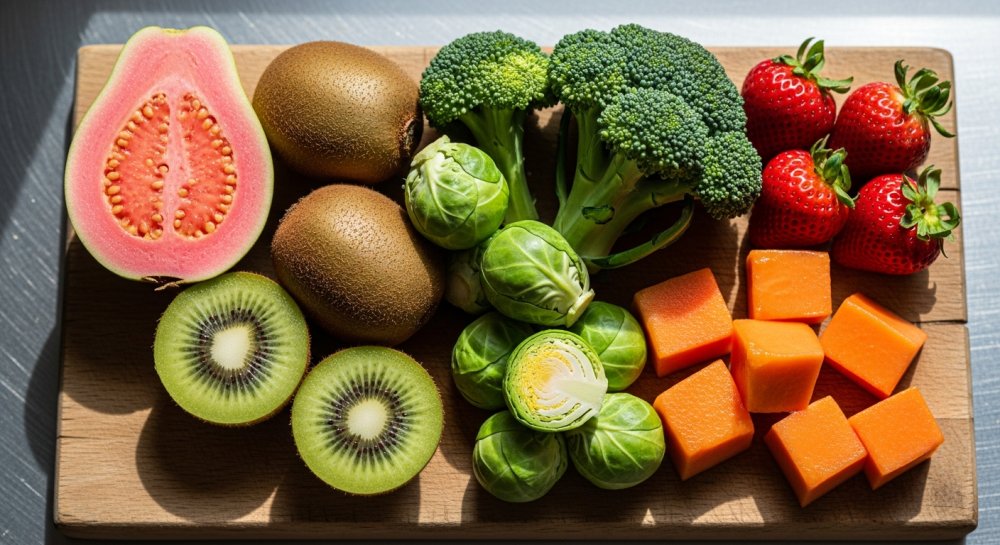
Health Points
- Six common foods deliver more vitamin C per serving than bell peppers, including guava, kiwi, and broccoli
- One cup of guava provides 377 milligrams of vitamin C—over four times the daily recommended amount
- Cooking methods matter: steaming vegetables preserves more vitamin C than boiling
When most people think of vitamin C, oranges and bell peppers come to mind. But several lesser-known foods pack an even bigger nutritional punch when it comes to this essential nutrient.
Vitamin C supports immune function, aids collagen production for healthy skin, and acts as a powerful antioxidant in the body. The recommended daily intake is 90 milligrams for men and 75 milligrams for women, though many experts suggest higher amounts for optimal health.
While bell peppers are indeed vitamin C powerhouses—delivering about 95 milligrams per half-cup serving—six other foods surpass them in this crucial nutrient.
1. Guava
Topping the list is guava, a tropical fruit that provides an impressive 377 milligrams of vitamin C per cup. That’s more than four times the daily recommended amount and nearly four times what you’d get from the same amount of bell peppers.
This sweet, fragrant fruit also delivers significant amounts of fiber, potassium, and folate. Fresh guava can be eaten whole, added to smoothies, or used in jams and desserts.
2. Kiwi
One medium kiwi contains about 71 milligrams of vitamin C—nearly matching your entire daily requirement. Two kiwis easily surpass a serving of bell peppers while providing additional benefits like digestive enzymes and heart-healthy potassium.
The fuzzy brown exterior hides bright green flesh dotted with edible black seeds. Some people eat the skin as well, which adds extra fiber and nutrients.
3. Broccoli
This cruciferous vegetable delivers about 81 milligrams of vitamin C per cooked cup. Beyond vitamin C, broccoli provides cancer-fighting compounds called glucosinolates and substantial amounts of vitamin K for bone health.
Steaming broccoli preserves more vitamin C than boiling. Light cooking actually makes some nutrients more bioavailable while keeping vitamin C levels relatively intact.
4. Brussels Sprouts
One cup of cooked Brussels sprouts contains approximately 97 milligrams of vitamin C—slightly edging out bell peppers. These mini-cabbages have shed their reputation as a bitter childhood vegetable, especially when roasted with olive oil and seasoning.
Brussels sprouts also provide significant fiber, vitamin K, and folate. They’re particularly popular during fall and winter months when they’re at peak freshness.
5. Strawberries
A cup of sliced strawberries delivers about 89 milligrams of vitamin C along with powerful antioxidants called anthocyanins. These compounds give strawberries their red color and may support heart health.
Fresh strawberries make an easy snack, breakfast topping, or dessert. They’re one of the most accessible high-vitamin-C foods for people who prefer fruit over vegetables.
6. Papaya
One cup of fresh papaya cubes provides roughly 88 milligrams of vitamin C. This tropical fruit also contains papain, a digestive enzyme that may help break down proteins and ease digestion.
The bright orange flesh signals the presence of beta-carotene, which converts to vitamin A in the body. Papaya works well in fruit salads, smoothies, or eaten on its own with a squeeze of lime.
Making Vitamin C Work for You
Vitamin C is water-soluble, meaning your body doesn’t store it long-term. Regular intake through diet is essential for maintaining adequate levels.
Because heat and water can degrade vitamin C, eating these foods raw or lightly cooked preserves the most nutrients. When cooking is necessary, steaming or quick sautéing works better than prolonged boiling.
For those over 40, adequate vitamin C intake supports skin elasticity, wound healing, and immune resilience—all areas where needs may increase with age. Rather than relying solely on supplements, incorporating a variety of vitamin C-rich whole foods provides additional beneficial compounds that work synergistically.
The next time you’re planning meals, consider rotating these six foods into your regular lineup. They offer impressive nutritional benefits that extend well beyond their vitamin C content, supporting overall health through multiple pathways.
