Movement
The Pool Exercise That’s Changing Lives After 40

Health Points
- Swimming provides a full-body workout that’s gentle on aging joints while building cardiovascular strength and muscle tone
- Regular pool sessions can help manage chronic conditions like arthritis, diabetes, and heart disease without high-impact stress
- Starting a swimming routine requires minimal equipment and can be adapted to any fitness level or physical limitation
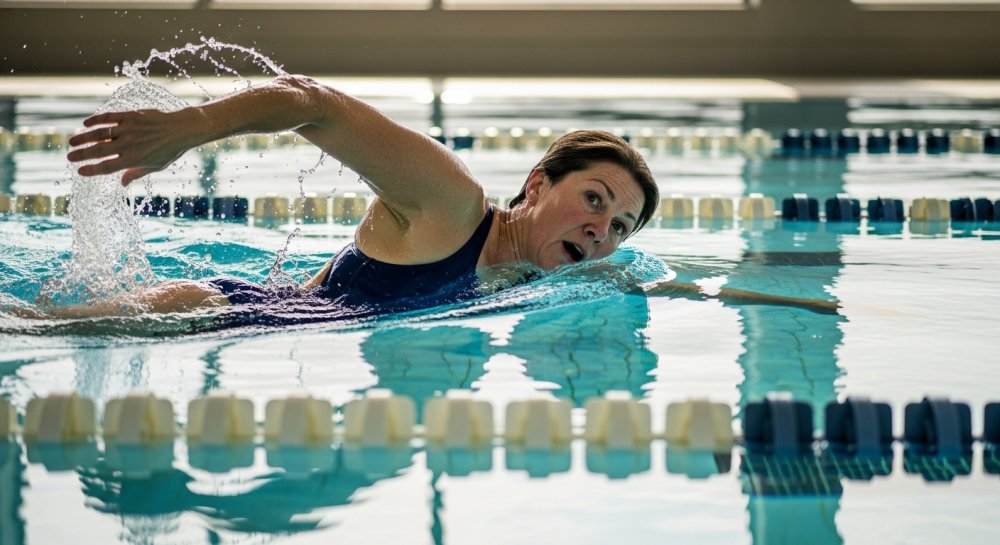
For Americans over 40 looking to revitalize their fitness routine, the answer might be waiting at the nearest community pool. Swimming offers a unique combination of cardiovascular conditioning and strength training that’s remarkably forgiving on aging bodies.
The beauty of this water-based exercise lies in its accessibility. Unlike running or high-intensity gym workouts that can strain joints and muscles, swimming provides natural resistance while buoyancy reduces impact stress by up to 90 percent.
Health experts point to swimming’s comprehensive benefits for the mature body. The activity engages every major muscle group while simultaneously improving heart health and lung capacity. For those managing weight concerns or chronic conditions, the pool offers a safe environment to build endurance without risking injury.
Getting started requires surprisingly little investment. A basic swimsuit, goggles, and access to a pool are the only essentials. Many community centers and YMCAs offer adult swim times and beginner classes specifically designed for older adults returning to exercise.
Physical therapists frequently recommend swimming for patients with arthritis, noting that the warm water environment can ease joint stiffness while allowing for greater range of motion. The hydrostatic pressure of water also helps reduce swelling and inflammation in affected areas.
For those intimidated by swimming laps, water walking and aqua aerobics provide excellent alternatives. These modified activities deliver similar cardiovascular benefits while allowing participants to keep their heads above water and maintain a comfortable breathing pattern.
Starting gradually remains crucial for long-term success. Beginners should aim for two to three sessions weekly, starting with just 15 to 20 minutes in the pool. As stamina builds, duration and intensity can increase naturally without forced progression.
Proper technique matters more than speed or distance, especially for newcomers. Many facilities offer adult swim lessons where instructors can correct form issues that might lead to shoulder strain or inefficient movement patterns.
The social aspect of swimming shouldn’t be overlooked. Group classes and lap swim times create opportunities for community connection, which research shows contributes significantly to overall wellness and mental health in middle age and beyond.
Safety considerations include checking with a physician before beginning any new exercise program, especially for those with existing heart conditions or respiratory issues. However, most doctors enthusiastically endorse swimming as one of the safest forms of exercise for their older patients.
The pool environment offers unique therapeutic benefits beyond physical fitness. The rhythmic nature of swimming strokes combined with controlled breathing creates a meditative quality that many find stress-relieving. The sensation of weightlessness in water can be particularly liberating for those who feel limited by their body’s capabilities on land.
Consistency trumps intensity when building a sustainable swimming habit. Regular sessions at a comfortable pace yield better long-term results than sporadic intense workouts that lead to burnout or injury.
For families, swimming provides an opportunity for multi-generational activity. Grandparents who maintain swimming routines often find they can more actively participate in pool time with grandchildren, creating meaningful connections while staying healthy.
The investment in swimming pays dividends that extend beyond the pool. Improved cardiovascular health, increased muscle strength, better flexibility, and enhanced mental well-being combine to support a more active, independent lifestyle well into the retirement years.
