Nutrition
The Unexpected Evening Snack That Could Transform Your Sleep Quality

Health Points
- Certain nutrient-rich foods consumed in the evening can naturally lower cortisol levels and promote deeper, more restorative sleep
- Complex carbohydrates, omega-3 fatty acids, and specific minerals like magnesium work together to calm the nervous system before bedtime
- Strategic nighttime eating—focusing on whole foods rather than processed snacks—may reduce stress hormones by up to 25% during sleep hours
For millions of Americans over 40 struggling with sleep quality, the solution may be sitting in their kitchen cabinets. Recent nutritional research reveals that specific foods consumed in the evening hours can naturally reduce stress hormones and significantly improve sleep patterns.
The connection between diet and sleep quality becomes increasingly important as we age. Our bodies produce less melatonin naturally, making the role of nutrition in sleep regulation more critical than ever.
Complex carbohydrates stand at the forefront of sleep-promoting foods. Whole grain crackers, oatmeal, and sweet potatoes trigger a gentle insulin response that helps tryptophan enter the brain more effectively. This amino acid converts to serotonin and then melatonin—the hormone that regulates our sleep-wake cycle.
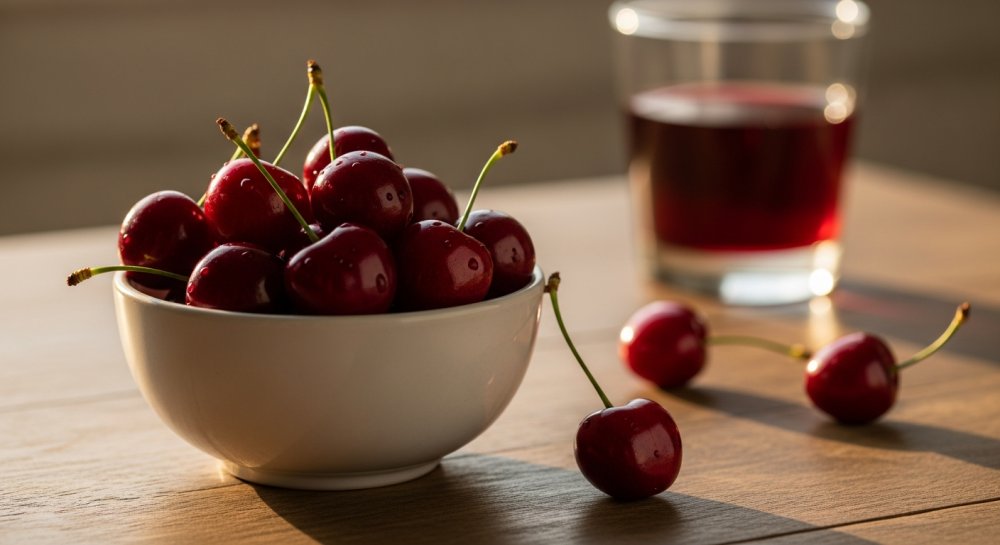
Tart cherry juice has emerged as a natural sleep aid backed by solid research. These ruby-red fruits contain high levels of natural melatonin and anti-inflammatory compounds that work together to reduce cortisol, the primary stress hormone that keeps many people awake at night.
Fatty fish like salmon and mackerel deliver a powerful combination of omega-3 fatty acids and vitamin D. This nutritional duo works synergistically to regulate serotonin production. Studies indicate that consuming fatty fish three times weekly can reduce the time it takes to fall asleep by an average of 20 minutes.
Nuts and seeds—particularly almonds, walnuts, and pumpkin seeds—provide magnesium, a mineral that many Americans lack in sufficient quantities. Magnesium acts as a natural relaxant for the nervous system, helping muscles release tension accumulated throughout the day.
Herbal teas deserve special mention in any evening routine focused on stress reduction. Chamomile tea contains apigenin, an antioxidant that binds to specific brain receptors promoting calmness and drowsiness. Passionflower and valerian root teas offer similar benefits through different biochemical pathways.
Bananas provide a triple benefit for evening consumption: they’re rich in potassium, magnesium, and vitamin B6—all nutrients that support the body’s natural melatonin production. The natural sugars in bananas also help stabilize blood sugar levels throughout the night, preventing the 3 a.m. wake-ups many people experience.
Greek yogurt combines protein with calcium, creating a sustained-release effect that keeps blood sugar stable during sleep hours. The calcium itself plays a crucial role in melatonin production. Choosing plain varieties without added sugars maximizes the sleep-promoting benefits.
Dark leafy greens like kale and spinach deliver folate, which supports serotonin production. While these vegetables might seem unusual for evening consumption, adding them to a light dinner salad or smoothie can significantly impact stress levels before bed.
Turkey and chicken contain high levels of tryptophan, though the traditional Thanksgiving sleepiness actually results from the combination of protein and carbohydrates consumed together. A small portion of lean poultry paired with whole grains creates ideal conditions for restful sleep.
Timing matters as much as food selection. Eating these stress-reducing foods two to three hours before bedtime allows enough time for digestion while ensuring nutrients reach the bloodstream when you need them most. Consuming heavy meals too close to bedtime can actually disrupt sleep by diverting blood flow to the digestive system.
Portion control remains essential—even with beneficial foods. A light evening snack containing 200-300 calories provides sufficient nutrients without overloading the digestive system. Think of a small bowl of oatmeal with berries, a handful of almonds with tart cherry juice, or whole grain toast with a thin layer of almond butter.
The contrast with sleep-disrupting foods illuminates why strategic choices matter. Caffeine, alcohol, spicy foods, and high-sugar items all interfere with natural sleep cycles. Replacing these with nutrient-dense alternatives creates a foundation for consistent, restorative sleep.
Individual responses vary based on metabolism, existing health conditions, and medication interactions. Anyone taking prescription medications should consult their healthcare provider before making significant dietary changes, as some foods can interact with common medications.
Creating sustainable evening eating habits requires planning and consistency. Preparing sleep-friendly snacks in advance removes decision-making stress during evening hours when willpower naturally diminishes. Keeping pre-portioned nuts, washed fruits, and herbal tea bags readily accessible increases the likelihood of making beneficial choices.
The broader implications extend beyond individual sleep quality. Chronic stress and poor sleep contribute to numerous health challenges that become more prevalent after 40, including cardiovascular disease, weight gain, and cognitive decline. Addressing sleep quality through nutrition represents a proactive approach to long-term wellness.
Modern life constantly challenges our natural sleep rhythms. Blue light from screens, demanding schedules, and information overload all elevate stress hormones long after the workday ends. Strategic food choices offer a natural counterbalance that works with our body’s chemistry rather than against it.
The evidence continues building that what we eat in the evening hours significantly influences how well we sleep and how we feel the next day. For those seeking natural approaches to stress management and sleep improvement, the answer may be as simple as making smarter choices about evening nutrition.
