Nutrition
How Antifungal Shampoos Can Help Reduce Fungal Acne

Health Points
- Antifungal shampoos may help reduce fungal acne by targeting yeast on the skin.
- These products work differently than regular acne treatments.
- Consistent use and proper application are key for best results.
Many adults notice small, uniform bumps on their forehead, hairline, and upper back that resemble acne but do not respond to typical spot treatments. These bumps are often linked to a yeast called Malassezia that naturally lives on the skin.
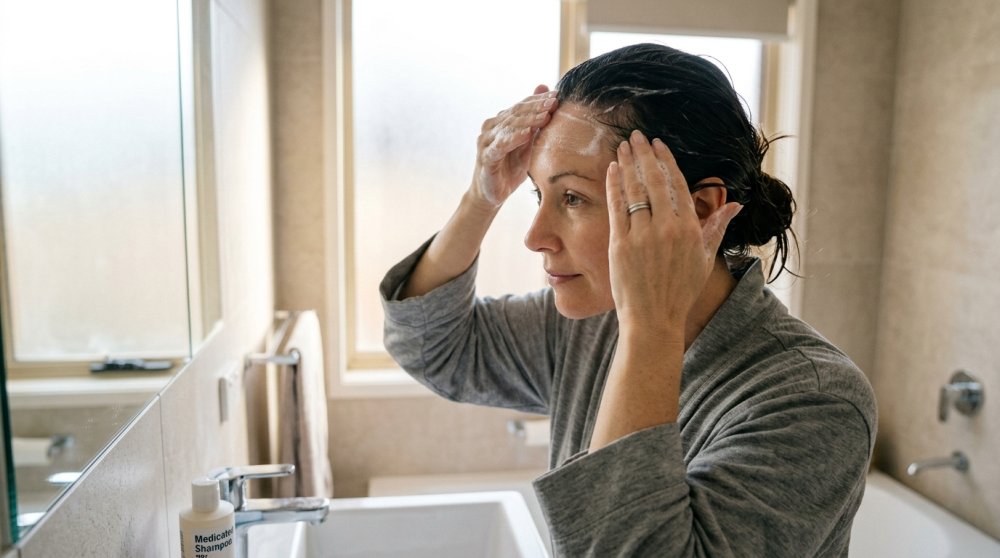
Regular acne products containing salicylic acid or benzoyl peroxide focus on oil and bacteria. Fungal acne needs ingredients that slow yeast growth instead. Antifungal shampoos with ketoconazole or selenium sulfide can be used on affected skin areas for a short time each day.
Apply a thin layer, leave it on for several minutes, then rinse well. Start with two or three uses per week to see how skin responds.
“People often mistake fungal acne for regular breakouts and keep using the wrong products,” says dermatologist Dr. Sarah Lee. “Switching to an antifungal approach can make a noticeable difference.”
Keep the skin clean and avoid heavy oils or thick creams that can feed the yeast. Choose lightweight, non-comedogenic moisturizers and allow skin to breathe.
“Patience is important,” adds Dr. Lee. “Results usually appear after a few weeks of steady use.”
If the bumps persist or spread, consult a dermatologist to confirm the diagnosis and rule out other conditions. A professional can also recommend prescription-strength options when needed.
