Nutrition
These 16 Everyday Foods May Help You Maintain a Healthy Weight Naturally

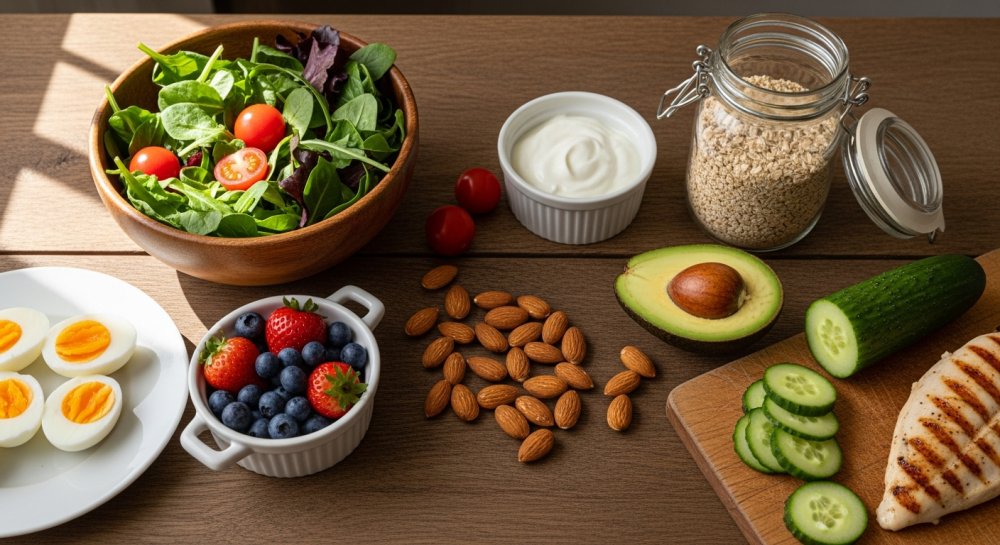
Health Points
- Fiber-rich foods like beans and whole grains help you feel fuller longer while supporting digestive health
- Protein sources such as eggs and Greek yogurt can boost metabolism and preserve muscle mass during weight management
- Hydrating foods like cucumbers and leafy greens provide essential nutrients with minimal calories
For Americans over 40 looking to maintain a healthy weight, the solution may be simpler than restrictive diets or complicated meal plans. Nutrition experts say filling your plate with the right everyday foods can support natural, sustainable weight management while providing essential nutrients your body needs.
“The key is choosing foods that nourish your body and keep you satisfied,” says registered dietitian nutritionist Amanda Johnson. “When you focus on nutrient-dense whole foods, weight management becomes much more achievable.”
These 16 foods stand out for their ability to support healthy weight maintenance through a combination of fiber, protein, and essential nutrients.
Protein Powerhouses
Eggs top the list as an affordable, versatile protein source. One large egg contains about 6 grams of protein and provides vitamins D and B12, which become increasingly important as we age.
Greek yogurt offers nearly twice the protein of regular yogurt, with most varieties providing 15-20 grams per serving. Choose plain varieties to avoid added sugars, and add fresh berries for natural sweetness and additional fiber.
Lean chicken breast delivers high-quality protein without excess saturated fat. A 3-ounce serving provides approximately 26 grams of protein while supporting muscle maintenance, which naturally declines after age 40.
Fiber-Filled Favorites
Black beans and other legumes pack a powerful nutritional punch with both protein and fiber. A half-cup serving of black beans contains 7 grams of protein and 8 grams of fiber, helping you feel satisfied between meals.
Oatmeal provides soluble fiber that can help regulate blood sugar levels and support heart health. Steel-cut or rolled oats offer more nutrients than instant varieties, which often contain added sugars.
Quinoa stands out as a complete protein containing all nine essential amino acids. This ancient grain also provides fiber, iron, and magnesium, making it an excellent alternative to refined grains like white rice.
Produce That Performs
Leafy greens like spinach, kale, and romaine lettuce offer maximum nutrition with minimal calories. These vegetables provide vitamins A, C, and K, along with folate and iron.
Cruciferous vegetables including broccoli, cauliflower, and Brussels sprouts contain fiber and compounds that may support healthy metabolism. Roasting these vegetables brings out their natural sweetness and makes them more appealing.
Berries deliver antioxidants, fiber, and natural sweetness without the blood sugar spike of many other fruits. Blueberries, strawberries, and raspberries contain compounds that may help reduce inflammation, a concern that increases with age.
Apples provide both soluble and insoluble fiber, with most of the fiber concentrated in the skin. The pectin in apples may help promote feelings of fullness and support digestive health.
Healthy Fats That Satisfy
Avocados contain heart-healthy monounsaturated fats that help you feel satisfied after meals. They also provide potassium, which supports healthy blood pressure levels.
Nuts like almonds and walnuts offer a combination of protein, fiber, and healthy fats. Research suggests that people who regularly eat nuts tend to maintain healthier body weights, despite nuts being calorie-dense.
“The fat in nuts triggers satiety signals that help prevent overeating,” explains Dr. Michael Chen, an endocrinologist specializing in metabolism. “A small handful can keep you satisfied for hours.”
Hydrating Helpers
Cucumbers consist of about 95% water, making them extremely low in calories while helping with hydration. They provide a satisfying crunch and can be added to salads or eaten as a snack with hummus.
Tomatoes offer lycopene, an antioxidant that becomes more bioavailable when tomatoes are cooked. Fresh tomatoes provide vitamin C and potassium while adding flavor and moisture to meals.
Smart Swaps
Sweet potatoes provide complex carbohydrates that digest slowly, helping maintain steady energy levels. They’re rich in vitamin A and fiber, particularly when you eat the skin.
Cottage cheese has made a comeback as a high-protein, low-calorie option. A half-cup serving typically provides 12-14 grams of protein, and it pairs well with both sweet and savory toppings.
The common thread among these foods is their nutrient density—they provide substantial nutrition relative to their calorie content. Rather than focusing on restriction, nutritionists recommend building meals around these whole foods.
“Sustainable weight management isn’t about deprivation,” says Johnson. “It’s about consistently choosing foods that support your health goals while being realistic about your lifestyle.”
For best results, combine these foods with regular physical activity, adequate sleep, and stress management. Small, consistent changes tend to produce more lasting results than dramatic overhauls, particularly for those over 40 when metabolism naturally slows.
Remember that individual nutritional needs vary based on health conditions, activity levels, and personal goals. Consulting with a registered dietitian can help you create a personalized eating plan that incorporates these beneficial foods in appropriate portions for your specific needs.
