Health
The Surprising Changes That Happen When You Take This Ancient Herb Daily

Health Points
- Ashwagandha may help reduce stress hormones and improve sleep quality when taken regularly
- Research suggests potential benefits for muscle strength, cognitive function, and blood sugar management
- Experts recommend consulting your doctor before starting, especially if you have thyroid conditions or take certain medications
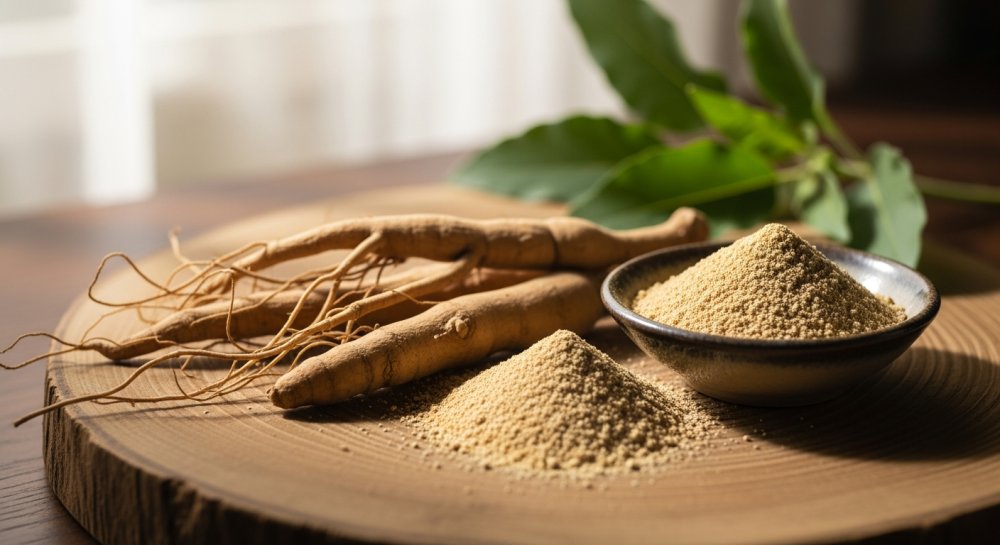
An ancient herb used in traditional medicine for thousands of years is gaining renewed attention from health-conscious Americans seeking natural ways to manage stress and support overall wellness. Ashwagandha, a staple of Ayurvedic practice, has become one of the fastest-growing supplements in the wellness market as more people discover its potential health benefits.
The herb, scientifically known as Withania somnifera, grows primarily in India and has been used medicinally for over 3,000 years. Today, health researchers are examining what happens to the body when this supplement becomes part of your daily routine.
“Ashwagandha is classified as an adaptogen, which means it may help the body adapt to stress,” explains Dr. Michael Chen, a naturopathic physician specializing in botanical medicine. “When taken regularly, many people report feeling calmer and more resilient in the face of daily challenges.”
The most well-documented effect of regular ashwagandha use involves the body’s stress response system. Multiple clinical studies have shown that daily supplementation can lower cortisol levels—the hormone released when you’re under stress. In one study, participants who took ashwagandha for eight weeks experienced a 28% reduction in cortisol compared to those taking a placebo.
Beyond stress management, emerging research suggests ashwagandha may influence several body systems when taken consistently over time. Sleep quality appears to improve in many users, with studies showing enhanced sleep duration and quality after six to eight weeks of regular use.
“The compound withanolides found in ashwagandha appear to have calming effects on the central nervous system,” notes registered dietitian Sarah Mitchell. “This may explain why so many people report better sleep patterns after making it part of their nightly routine.”
Physical performance is another area where regular users notice changes. Research published in sports medicine journals has found that athletes taking ashwagandha experienced greater gains in muscle strength and size compared to control groups. Some studies also suggest improved endurance and faster recovery times after exercise.
For those concerned about cognitive health, the news is encouraging. Regular ashwagandha supplementation has been linked to improvements in memory, attention, and information processing speed in several clinical trials. One eight-week study found significant improvements in both immediate and general memory among participants taking the herb daily.
Blood sugar management represents yet another potential benefit. Early research indicates that ashwagandha may help improve insulin sensitivity and lower blood sugar levels in people with diabetes or prediabetes. However, experts caution that it should complement—not replace—conventional medical treatment for blood sugar issues.
“We’re seeing promising results, but it’s crucial to view ashwagandha as part of a comprehensive approach to health,” emphasizes Dr. Jennifer Walsh, an integrative medicine specialist. “It works best when combined with proper nutrition, regular exercise, and adequate sleep.”
The typical dosage used in most studies ranges from 300 to 500 milligrams taken once or twice daily. Benefits generally become noticeable after two to four weeks of consistent use, though some people report feeling effects sooner.
Like any supplement, ashwagandha isn’t appropriate for everyone. Pregnant and breastfeeding women should avoid it, as should people with autoimmune diseases or thyroid disorders unless specifically approved by their healthcare provider. The herb may interact with medications for thyroid conditions, blood pressure, diabetes, and immune suppression.
“Anyone taking medication should consult their doctor before adding ashwagandha to their routine,” advises Dr. Chen. “The herb can be quite powerful and may alter how certain medications work in your body.”
Side effects are generally mild when they occur, with the most common being digestive upset, drowsiness, or headache. Starting with a lower dose and gradually increasing can help minimize these effects.
Quality matters significantly when choosing an ashwagandha supplement. Look for products that have been third-party tested for purity and potency, and prefer extracts standardized to contain at least 5% withanolides—the active compounds responsible for most of the herb’s benefits.
While ashwagandha shows considerable promise for supporting various aspects of health, experts emphasize that it’s not a magic solution. The best results come from using it as part of a balanced approach to wellness that includes healthy lifestyle habits.
As research continues to unfold, this ancient herb is demonstrating that sometimes traditional wisdom aligns remarkably well with modern science. For those seeking natural support for stress management, sleep, and overall vitality, ashwagandha may offer a time-tested option worth exploring with your healthcare provider’s guidance.
