Nutrition
The Blood Pressure Bread Three Nutrition Experts Always Recommend

Health Points
- Whole grain sprouted bread offers superior blood pressure benefits compared to refined white bread
- Higher fiber and potassium content in sprouted grains helps regulate blood pressure naturally
- Three registered dietitians independently recommend the same type of bread for cardiovascular health
For anyone monitoring their blood pressure, the bread aisle can feel overwhelming. But three registered dietitians have reached a unanimous verdict on which type delivers the most cardiovascular benefits.
Whole grain sprouted bread stands out as the clear winner for blood pressure management, according to nutrition experts. The sprouting process transforms ordinary grains into nutritional powerhouses that support heart health in multiple ways.
“Sprouted grain bread is my top recommendation for clients concerned about blood pressure,”
says registered dietitian Sarah Johnson. “The sprouting process increases the bioavailability of key nutrients like potassium and magnesium, which are essential for maintaining healthy blood pressure levels.”
The science behind sprouted grains is straightforward. When grains are allowed to sprout before being milled into flour, enzymes break down compounds that can inhibit nutrient absorption. This process increases the bread’s fiber content while making minerals more accessible to the body.
Fiber plays a crucial role in blood pressure regulation. Studies show that higher fiber intake correlates with lower systolic and diastolic blood pressure readings. Sprouted grain breads typically contain 3-5 grams of fiber per slice, compared to less than 1 gram in white bread.
“The fiber in sprouted grain bread helps slow digestion and prevents blood sugar spikes that can stress the cardiovascular system,”
explains registered dietitian nutritionist Michelle Chen. “This steady energy release supports overall heart health beyond just blood pressure numbers.”
Potassium content represents another significant advantage. This mineral helps counteract sodium’s blood pressure-raising effects by promoting sodium excretion through urine. Sprouted grain breads contain substantially more potassium than their refined counterparts.
The third dietitian, registered nutritionist David Martinez, emphasizes the importance of choosing genuine sprouted grain products. Many breads marketed as “multigrain” or “wheat” don’t offer the same benefits.
“Look for bread where sprouted whole grains are the first ingredient listed,”
Martinez advises. “Brands like Ezekiel 4:9 and Alvarado Street Bakery are reliable options that use authentic sprouting methods.”
The traditional approach to bread-making preserved these nutritional benefits that modern processing often strips away. Returning to time-tested preparation methods aligns with growing awareness about the value of whole, minimally processed foods.
Beyond blood pressure benefits, sprouted grain bread supports digestive health and provides sustained energy throughout the day. The complex carbohydrates digest more slowly than refined grains, preventing the energy crashes associated with white bread consumption.
For those with celiac disease or gluten sensitivity, sprouted grain bread typically isn’t suitable since most varieties contain wheat. However, some specialty brands offer sprouted gluten-free options using alternative grains like quinoa and millet.
Storage considerations matter with sprouted grain bread. Because these products contain fewer preservatives than conventional breads, they’re best kept refrigerated or frozen. Many consumers find that toasting sprouted bread directly from the freezer works perfectly for daily use.
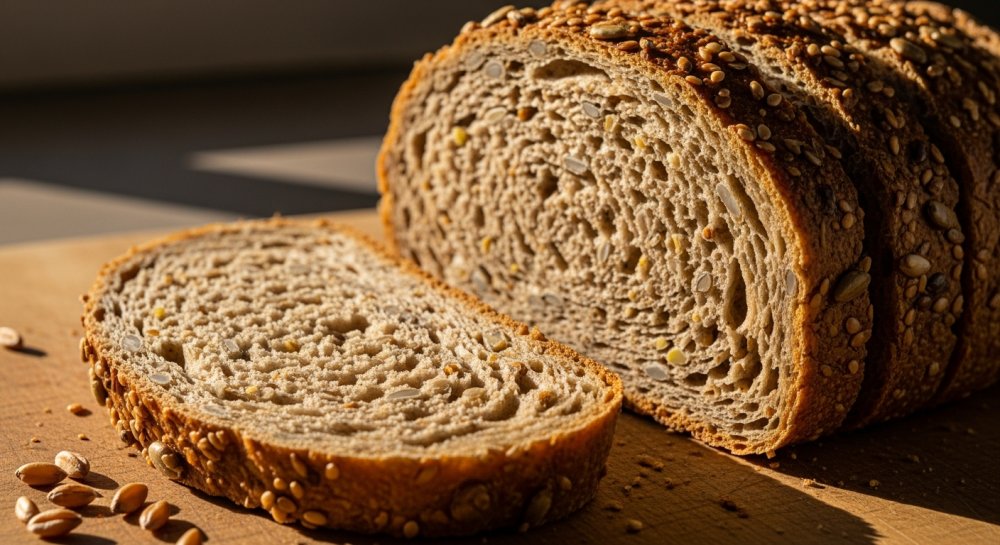
The taste and texture differ noticeably from white bread. Sprouted grain varieties have a denser, heartier consistency with a slightly nutty, earthy flavor. This robust character makes them particularly satisfying for sandwiches and toast.
Price points run higher than conventional breads, typically ranging from $4 to $7 per loaf. However, the nutritional density means each slice provides more sustained nutrition, potentially offsetting the upfront cost difference.
The unanimous recommendation from three independent nutrition experts carries significant weight. When professionals from different backgrounds reach identical conclusions, it suggests strong evidence supporting their advice.
For readers already managing high blood pressure, switching bread types represents one component of a comprehensive approach. Dietary changes work best alongside other lifestyle modifications like regular physical activity, stress management, and adequate sleep.
The simple act of choosing sprouted grain bread over refined varieties demonstrates how small, sustainable changes can contribute to better cardiovascular health. This practical swap requires minimal effort while delivering measurable benefits over time.
