Nutrition
The Surprising Way Onions Protect Your Heart and Bones After 40

Health Points
- Onions contain antioxidants that may reduce inflammation and support heart health
- Compounds in onions can help strengthen bones and may reduce fracture risk
- Regular onion consumption is linked to better blood sugar control and digestive health
They make you cry in the kitchen, but onions might be doing more for your health than you realize. This humble vegetable, found in nearly every cuisine around the world, packs a powerful nutritional punch that becomes increasingly important as we age.
From your heart to your bones, onions deliver benefits that matter most to adults over 40. Here’s what science says about this everyday ingredient.
Heart Health Support
Onions are rich in antioxidants called flavonoids, particularly quercetin, which may help reduce inflammation throughout the body. Research suggests these compounds can support cardiovascular health by improving blood vessel function and helping maintain healthy blood pressure levels.
The sulfur compounds that give onions their pungent aroma also appear to play a role in heart protection. Studies indicate these natural chemicals may help reduce cholesterol levels and prevent blood clot formation, two key factors in maintaining a healthy heart as we age.
Bone Density Benefits
Women over 50 face increased risk of osteoporosis, making bone health a critical concern. Emerging research suggests onions may offer protective effects for skeletal strength.
A study involving women over 50 found that those who consumed onions daily had greater bone density than those who ate them less frequently. The compounds in onions appear to reduce oxidative stress that can weaken bones over time, potentially lowering fracture risk by up to 20 percent in regular consumers.
Blood Sugar Management
For the millions of Americans managing diabetes or prediabetes, onions offer another advantage. Specific compounds in onions, including quercetin and sulfur compounds, have been shown to help regulate blood glucose levels.
These natural chemicals may improve insulin sensitivity and slow the breakdown of carbohydrates, leading to more stable blood sugar throughout the day. Both raw and cooked onions provide these benefits, making them an easy addition to any meal plan.
Digestive Health Enhancement
Onions are an excellent source of prebiotics—specialized plant fibers that feed the beneficial bacteria in your gut. A healthy gut microbiome becomes increasingly important with age, affecting everything from immunity to mental health.
The fiber content in onions, particularly inulin, supports digestive regularity and may reduce the risk of certain gastrointestinal conditions. Just one medium onion provides about 10 percent of your daily fiber needs.
Cancer-Fighting Compounds
While more research is needed, preliminary studies suggest the antioxidants and sulfur compounds in onions may have protective effects against certain types of cancer. The allium vegetables—which include onions, garlic, and leeks—have been associated with reduced risk of stomach and colorectal cancers in population studies.
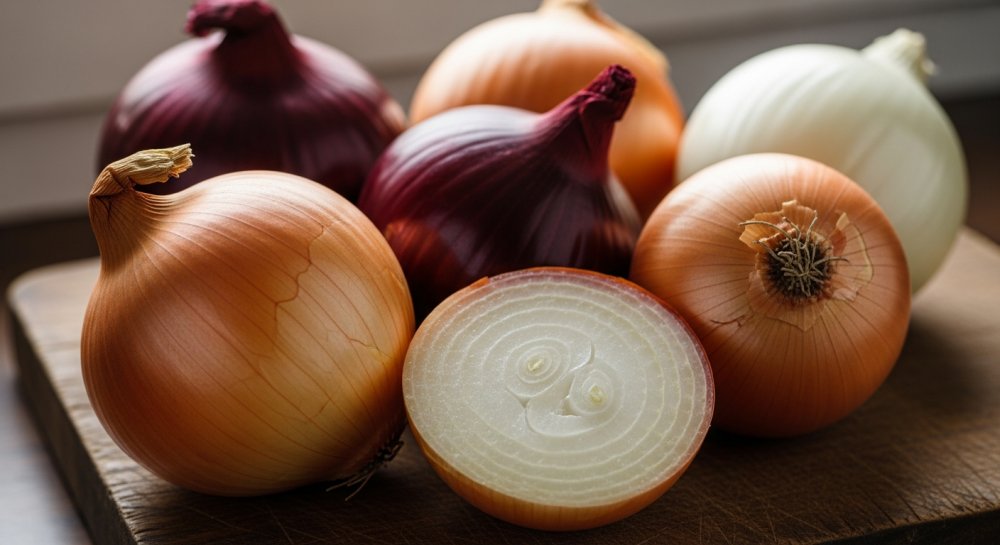
Red and yellow onions contain the highest levels of these beneficial compounds, though all varieties offer health advantages. The key is regular consumption as part of a balanced diet rich in vegetables.
Getting the Most From Onions
To maximize the health benefits, allow chopped onions to sit for 10 minutes before cooking. This resting period allows beneficial enzymes to develop fully.
Both raw and cooked onions provide health advantages, though some nutrients are more available in raw form. Try adding thinly sliced raw onions to salads, or caramelize them for a sweeter, milder flavor in cooked dishes.
Whether you prefer them red, white, yellow, or sweet, onions deserve a regular place on your plate. This affordable, versatile vegetable offers real health benefits that become more valuable with every passing year.
