Nutrition
The Surprising Bread Choice That Could Help Your Blood Pressure

Health Points
- 100% whole grain sprouted bread offers the most cardiovascular benefits compared to other bread varieties
- The sprouting process increases nutrient bioavailability and may help lower blood pressure through improved potassium and magnesium absorption
- Choosing breads with at least 3 grams of fiber per slice supports heart health and helps maintain healthy blood pressure levels
When it comes to managing blood pressure through diet, the type of bread sitting in your pantry might matter more than you think. Three registered dietitians have reached a consensus on which variety delivers the most cardiovascular benefits—and their answer might surprise shoppers accustomed to traditional whole wheat options.
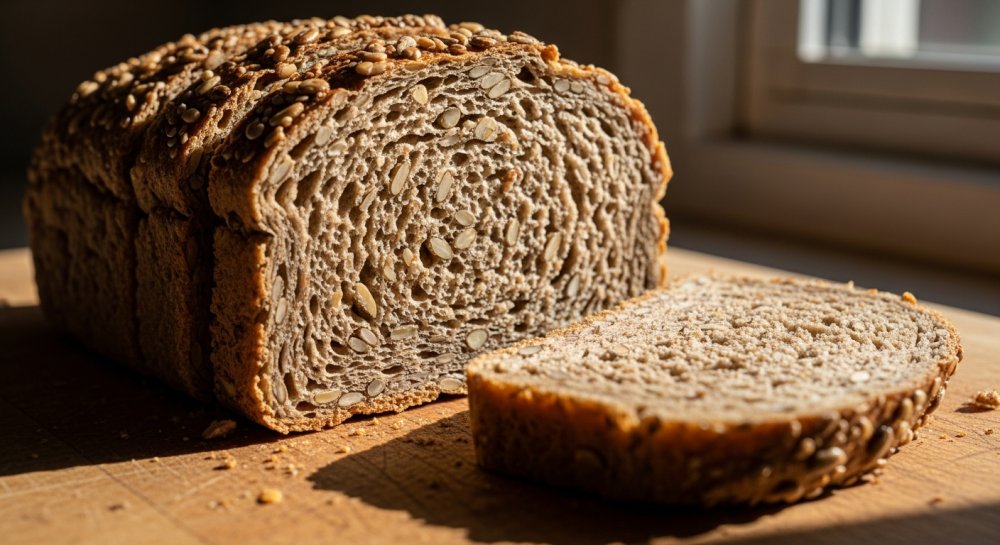
The clear winner: 100% whole grain sprouted bread. This ancient preparation method, which involves allowing grains to begin germinating before milling, creates a nutritional profile that sets it apart from conventional bread choices.
“Sprouted grain breads are made from whole grains that have been allowed to sprout, which increases the bioavailability of nutrients,” explains registered dietitian Sarah Gold Anzlovar. “This process can make vitamins, minerals, and antioxidants more easily absorbed by your body.”
The blood pressure connection stems from sprouted bread’s enhanced mineral content. During sprouting, the grain’s natural enzyme inhibitors break down, allowing better absorption of potassium and magnesium—two minerals essential for maintaining healthy blood pressure levels.
Registered dietitian Kelsey Kunik emphasizes the fiber advantage. “Look for breads with at least 3 grams of fiber per slice. Fiber helps regulate blood pressure by supporting healthy cholesterol levels and reducing inflammation in blood vessels.”
The sprouting process also reduces phytic acid, a compound that can interfere with mineral absorption. Lower phytic acid levels mean your body can access more of the bread’s naturally occurring nutrients that support cardiovascular health.
Dietitian Lauren Manaker points to additional benefits beyond blood pressure management. “Sprouted grain breads typically have a lower glycemic index compared to refined breads, which means they won’t cause the same blood sugar spikes that can stress your cardiovascular system over time.”
For those navigating grocery store bread aisles, experts recommend checking labels carefully. True sprouted grain bread will list sprouted whole grains as the first ingredient—not enriched flour or whole wheat flour.
Popular brands offering authentic sprouted options include Ezekiel 4:9 and Alvarado Street Bakery. These products are typically found in the refrigerated or frozen section of health food stores and many mainstream supermarkets.
The texture and taste differ from conventional bread. Sprouted grain varieties tend to be denser with a slightly nutty, earthy flavor that some describe as more satisfying than processed white or wheat bread.
“If you’re new to sprouted bread, give your palate time to adjust,” Anzlovar advises. “Many people find they actually prefer the heartier texture once they’ve made the switch.”
Beyond bread selection, the dietitians stress that no single food can manage blood pressure alone. Sprouted grain bread works best as part of a comprehensive approach that includes plenty of fruits, vegetables, lean proteins, and limited sodium intake.
The DASH diet (Dietary Approaches to Stop Hypertension) remains the gold standard for blood pressure management through nutrition. Incorporating sprouted grain bread aligns perfectly with DASH principles, which emphasize whole grains, potassium-rich foods, and nutrient density.
Cost considerations matter to many shoppers. Sprouted grain breads typically cost $1 to $2 more per loaf than conventional options. However, the nutritional investment may prove worthwhile for those managing cardiovascular health.
Storage differs from regular bread as well. Because sprouted varieties contain no preservatives, they’re best kept refrigerated or frozen to prevent mold growth. This actually extends shelf life when properly stored.
For individuals with blood pressure concerns, making the switch to sprouted grain bread represents a simple dietary modification with potential long-term benefits. Combined with other heart-healthy choices and regular medical monitoring, this nutritionist-approved bread selection could contribute to better cardiovascular outcomes.
As with any dietary change related to blood pressure management, experts recommend consulting with healthcare providers, especially for those taking blood pressure medications or managing other health conditions.
