Nutrition
The One Bread Dietitians Buy for Blood Pressure Health

Health Points
- Whole grain breads can lower blood pressure by up to 6 points systolic and 4 points diastolic due to their fiber, magnesium, and potassium content
- Look for breads listing whole grain flour as the first ingredient and containing at least 3 grams of fiber per slice
- Sprouted whole grain varieties offer enhanced nutrient absorption and may provide additional cardiovascular benefits
For Americans over 40 concerned about heart health, the bread aisle can feel like navigating a minefield. But three registered dietitians have reached consensus on which loaves deserve a spot in your shopping cart — and the answer might surprise you.
Whole grain bread stands out as the clear winner for blood pressure management, according to nutrition experts. The science backs up their recommendation: studies show that consuming whole grains regularly can reduce systolic blood pressure by 5-6 points and diastolic pressure by 3-4 points.
“The fiber in whole grains acts like a sponge in your digestive system, helping to regulate sodium absorption and support healthy blood pressure levels,” explains registered dietitian Lauren Manaker. “But it’s not just the fiber — whole grains contain magnesium and potassium, two minerals that work directly to relax blood vessels.”
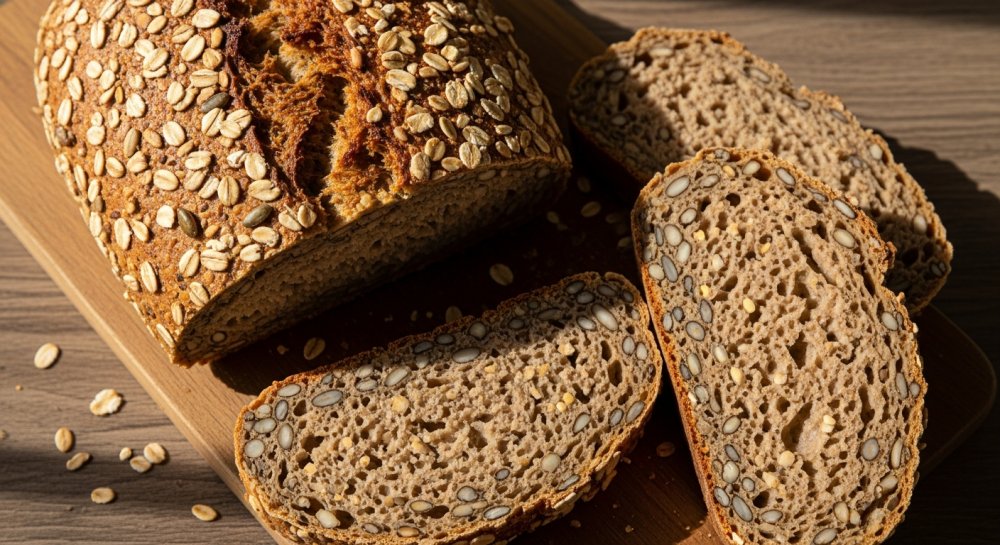
The distinction between whole grain and whole wheat matters more than most shoppers realize. Whole grain bread includes the entire kernel of various grains — wheat, oats, barley, or rye — while whole wheat uses only wheat kernels. This broader grain profile delivers a more complete nutritional package.
Reading labels becomes critical when selecting bread for cardiovascular health. The first ingredient should explicitly state “whole grain” or “100% whole wheat” — not enriched flour or wheat flour, which are refined products stripped of beneficial nutrients.
Registered dietitian Jessica Cording recommends a simple benchmark: “Look for at least 3 grams of fiber per slice. This ensures you’re getting real whole grains, not just a token amount mixed with refined flour.”
Sodium content presents another consideration. Many commercial breads contain 150-200 milligrams of sodium per slice — not ideal when managing blood pressure. Dietitians suggest seeking options with less than 140 milligrams per serving, though truly low-sodium varieties may require checking specialty or natural food sections.
Sprouted grain breads have gained attention for good reason. The sprouting process breaks down compounds that can interfere with mineral absorption, making the magnesium and potassium more bioavailable. Research indicates sprouted grains may also have a gentler impact on blood sugar levels.
“Sprouted whole grain bread is my top pick for clients focused on blood pressure,” says registered dietitian Danielle McAvoy. “The sprouting enhances digestibility and allows your body to access more of the heart-healthy minerals naturally present in the grains.”
Popular brands meeting these criteria include Ezekiel 4:9 Sprouted Whole Grain Bread, Dave’s Killer Bread Powerseed, and Arnold Whole Grains 100% Whole Wheat. These options typically provide 4-5 grams of fiber per slice and keep sodium under reasonable limits.
The broader dietary context matters as much as individual food choices. The DASH diet — Dietary Approaches to Stop Hypertension — emphasizes whole grains as a cornerstone, recommending 6-8 servings daily of grain products, with at least half from whole grain sources.
For those transitioning from white bread, the texture difference takes adjustment. Whole grain breads are denser and have a nuttier flavor profile. Toasting can enhance palatability while adding a pleasant crunch that appeals to texture preferences.
Storage considerations differ for whole grain varieties. Because they retain the grain’s natural oils, whole grain breads can turn rancid faster than refined options. Refrigeration extends shelf life, though it may affect texture. Many health-conscious consumers buy a week’s supply at a time or freeze half the loaf for extended freshness.
The cardiovascular benefits extend beyond blood pressure. Whole grain consumption correlates with reduced risk of heart disease, stroke, and type 2 diabetes — conditions that disproportionately affect Americans in middle age and beyond.
Cost presents a legitimate concern for budget-conscious shoppers. Whole grain and sprouted breads typically run $4-7 per loaf compared to $2-3 for conventional white bread. However, the serving-for-serving nutritional value and potential health savings make the investment worthwhile for many households.
For maximum benefit, dietitians recommend pairing whole grain bread with other blood pressure-friendly foods. Avocado provides healthy fats and additional potassium. Almond butter offers magnesium. Fresh tomatoes contribute lycopene, an antioxidant linked to cardiovascular health.
“Think of your sandwich or toast as a delivery system for multiple heart-healthy nutrients,” Manaker suggests. “When you start with whole grain bread as the foundation, you’re already ahead of the game.”
The science continues to evolve, but the fundamental message remains consistent: choosing whole grain bread represents one of the simplest dietary modifications Americans can make to support healthy blood pressure. No extreme elimination required — just smarter selection in the bread aisle.
