Nutrition
The Surprising Blood Sugar Effect of Rice Cakes Scientists Just Discovered

Health Points
- Rice cakes cause rapid blood sugar spikes due to their high glycemic index of 82, comparable to pure glucose
- Pairing rice cakes with protein, healthy fats, or fiber can slow glucose absorption and reduce blood sugar impact
- Individual blood sugar responses vary based on metabolic health, activity level, and what else is consumed during the day
Rice cakes have long held a reputation as the ultimate diet-friendly snack — light, crunchy, and seemingly harmless. But new insights into how these puffed grain discs affect blood sugar are changing the conversation around this pantry staple, especially for adults managing their metabolic health in midlife and beyond.
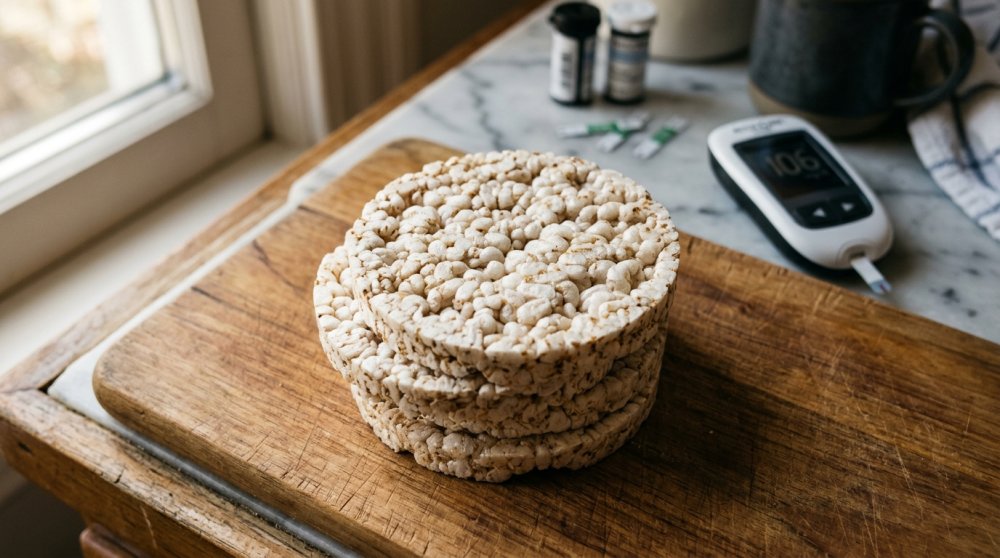
The numbers tell a revealing story. With a glycemic index of 82, rice cakes rank surprisingly high on the scale that measures how quickly foods raise blood glucose levels. To put that in perspective, pure glucose scores 100, while most whole grain breads hover in the 50s and 60s.
“Rice cakes are essentially puffed white rice, which means they’re a refined carbohydrate that your body can break down very quickly,” explains registered dietitian Sarah Thompson, a metabolic health specialist. “When you eat one by itself, you’re looking at a rapid spike in blood sugar followed by a crash — which can leave you hungrier than when you started.”
The processing method behind rice cakes contributes to their blood sugar impact. During manufacturing, rice grains are heated under pressure until they explode and puff up. This process breaks down the grain’s structure, making the carbohydrates even more readily available for digestion than regular cooked white rice.
For the roughly 98 million American adults with prediabetes — many of whom are over 40 — understanding these glucose dynamics matters. Repeated blood sugar spikes can contribute to insulin resistance over time, a key factor in the development of type 2 diabetes.
But that doesn’t mean rice cakes need to disappear from your snack rotation entirely. The solution lies in strategic pairing.
“Adding protein, healthy fats, or fiber creates a more balanced glycemic response,” Thompson notes. “Think almond butter with sliced strawberries, avocado with everything bagel seasoning, or hummus with cucumber slices.”
Research supports this approach. A study published in the American Journal of Clinical Nutrition found that adding fat and protein to high-glycemic carbohydrates significantly reduced the blood sugar spike compared to eating the carbohydrate alone.
Individual responses to rice cakes can vary considerably based on several factors. People with better insulin sensitivity, those who exercise regularly, and individuals who eat rice cakes as part of a balanced meal rather than in isolation tend to experience smaller blood sugar fluctuations.
Timing also plays a role. Consuming rice cakes after physical activity, when muscles are primed to absorb glucose, can blunt the blood sugar response. Similarly, eating them as part of a meal with vegetables, lean protein, and healthy fats will create a gentler glucose curve than snacking on them alone between meals.
“What you eat earlier in the day influences how your body responds to foods later on,” adds Dr. Michael Chen, an endocrinologist specializing in diabetes prevention. “If you’ve had a fiber-rich breakfast and a balanced lunch, a rice cake snack in the afternoon will have less impact than if it’s your first food of the day.”
For those monitoring blood sugar closely — whether due to prediabetes, diabetes, or general health optimization — alternatives exist that provide similar crunch with less glycemic impact. Whole grain crackers, nut-based crackers, or even sliced jicama offer texture without the rapid glucose spike.
The bottom line for health-conscious adults: rice cakes aren’t inherently problematic, but context matters. Eaten alone as a “diet food,” they may actually work against metabolic health goals. Paired thoughtfully with protein and healthy fats, they can fit into a balanced eating pattern.
Traditional dietary wisdom emphasized counting calories and minimizing fat — guidance that made plain rice cakes seem like an ideal choice. Modern nutritional science reveals a more nuanced picture, one where the quality of carbohydrates and their effect on blood sugar deserve equal attention, particularly as we age and metabolic flexibility naturally declines.
Understanding how everyday foods affect your glucose levels empowers better choices without requiring complete elimination of foods you enjoy. It’s about working with your body’s natural processes rather than against them — a principle that becomes increasingly important for maintaining energy, managing weight, and preventing chronic disease after 40.
