Nutrition
The Surprising Snack Strategy That Changed Everything for Diabetics

Health Points
- Smart snacking helps prevent dangerous blood sugar spikes and crashes throughout the day
- Pairing protein, healthy fats, and fiber creates balanced snacks that stabilize glucose levels
- Planning ahead with portable options makes diabetes management easier in daily life
For millions of Americans managing type 2 diabetes, the hours between meals can feel like a minefield. One wrong snack choice can send blood sugar soaring or leave you shaky and depleted.
But emerging research and practical wisdom from diabetes experts reveal that strategic snacking isn’t just acceptable—it’s often essential for maintaining stable glucose levels throughout the day.
The key lies in understanding how different foods affect your body and choosing combinations that work with your metabolism rather than against it. Traditional advice often painted snacking as the enemy, but modern diabetes management recognizes that well-planned snacks can prevent the dangerous highs and lows that complicate the condition.
Registered dietitians specializing in diabetes care emphasize that successful snacking revolves around three core nutrients: protein, healthy fats, and fiber. These components slow digestion and prevent the rapid glucose spikes that simple carbohydrates trigger alone.
When blood sugar drops between meals, the body responds with stress hormones that can actually drive glucose even higher later—creating a frustrating cycle. Strategic snacking breaks this pattern by maintaining steadier levels throughout the day.
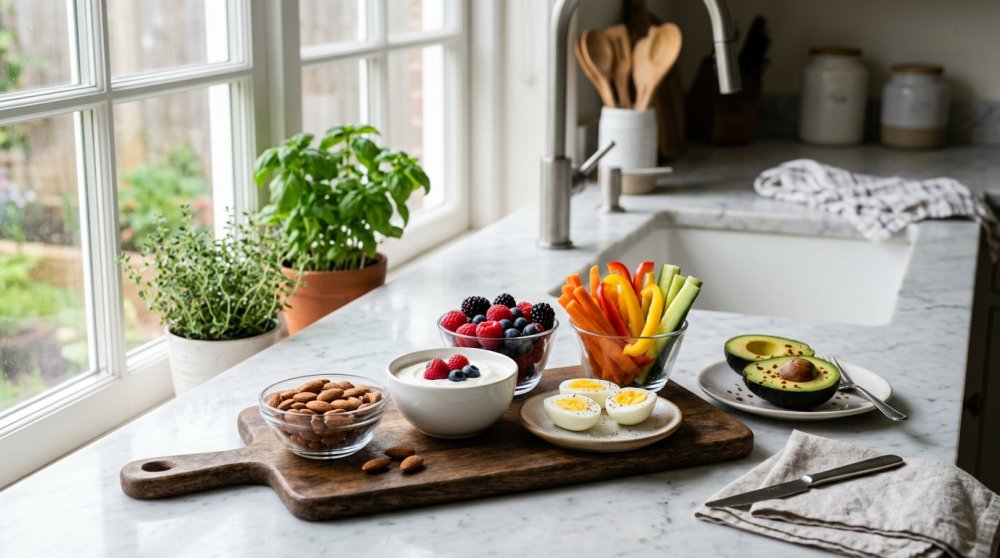
Among the most effective options: a small handful of almonds paired with a few berries provides satisfying crunch along with blood-sugar-stabilizing nutrients. The protein and healthy fats in nuts slow the absorption of natural fruit sugars, preventing spikes while delivering sustained energy.
Greek yogurt with a sprinkle of chia seeds offers another powerful combination. The high protein content of Greek yogurt—roughly twice that of regular yogurt—helps regulate appetite and glucose response. Chia seeds add fiber and omega-3 fatty acids that support overall metabolic health.
Vegetable sticks with hummus create a fiber-rich snack that satisfies cravings without triggering blood sugar fluctuations. Carrots, bell peppers, and cucumber provide volume and nutrients while the chickpea-based dip delivers protein and healthy fats.
Hard-boiled eggs represent one of nature’s most complete snack foods for diabetes management. Packed with high-quality protein and essential nutrients, they provide lasting fullness without any carbohydrates to affect blood sugar. Preparing several at the start of each week makes them readily available when hunger strikes.
String cheese paired with a small apple demonstrates how combining protein with fruit creates balance. The cheese slows the absorption of the apple’s natural sugars, allowing you to enjoy fruit while maintaining stable glucose levels.
Avocado slices on whole-grain crackers deliver heart-healthy monounsaturated fats that support cardiovascular health—particularly important since diabetes increases heart disease risk. Choose crackers with at least 3 grams of fiber per serving to maximize the blood-sugar-stabilizing effect.
Portion control remains critical even with healthy choices. A serving of nuts means about a small handful or roughly one ounce, not an entire can consumed mindlessly while watching television. Planning snacks ahead and portioning them into containers prevents overeating and simplifies tracking.
Timing matters as much as food choices. Most people with type 2 diabetes benefit from spacing snacks strategically—perhaps mid-morning and mid-afternoon—to prevent excessive hunger at main meals. This approach helps avoid the overeating that often follows extended periods without food.
Individual responses vary considerably, making blood sugar monitoring essential when introducing new snacks. Testing before and two hours after eating reveals how specific foods affect your glucose levels, allowing you to build a personalized list of safe options.
Hydration plays an often-overlooked role in blood sugar management. Sometimes what feels like hunger is actually thirst, and proper hydration supports kidney function and helps flush excess glucose. Water, unsweetened tea, and other zero-calorie beverages should accompany snacks rather than sugary drinks.
The convenience factor cannot be ignored in our busy lives. Keeping diabetes-friendly snacks in your car, desk, and bag ensures healthy options are always available when blood sugar dips. This preparation prevents desperate choices at vending machines or convenience stores where options rarely support your health goals.
Reading nutrition labels becomes second nature with practice. Focus on total carbohydrates rather than just sugar content, and look for foods with protein and fiber to balance any carbs. Many packaged snacks marketed as “healthy” contain hidden sugars that undermine blood sugar control.
Emerging research suggests that the order in which you eat foods may influence glucose response. Some studies indicate that consuming protein and vegetables before carbohydrates at meals produces smaller blood sugar spikes—a principle that may extend to snacking strategies as well.
Working with a registered dietitian or certified diabetes educator provides personalized guidance based on your specific medications, activity level, and blood sugar patterns. These professionals help translate general recommendations into practical meal and snack plans that fit your lifestyle and preferences.
The emotional dimension of eating with diabetes deserves attention too. Food represents more than fuel—it connects to celebration, comfort, and culture. Finding snacks you genuinely enjoy rather than merely tolerate increases the likelihood you’ll stick with healthy choices long-term.
Success with diabetes management isn’t about perfection but about making more good choices than poor ones over time. An occasional treat in appropriate portions, balanced with consistent healthy habits, allows for sustainable lifestyle changes rather than restrictive dieting that inevitably fails.
As understanding of diabetes continues evolving, the message grows clearer: strategic snacking, far from being forbidden, represents a valuable tool for maintaining the stable blood sugar levels that protect against complications and support quality of life. The key lies in choosing wisely, planning ahead, and listening to what your body and your glucose meter tell you.
